
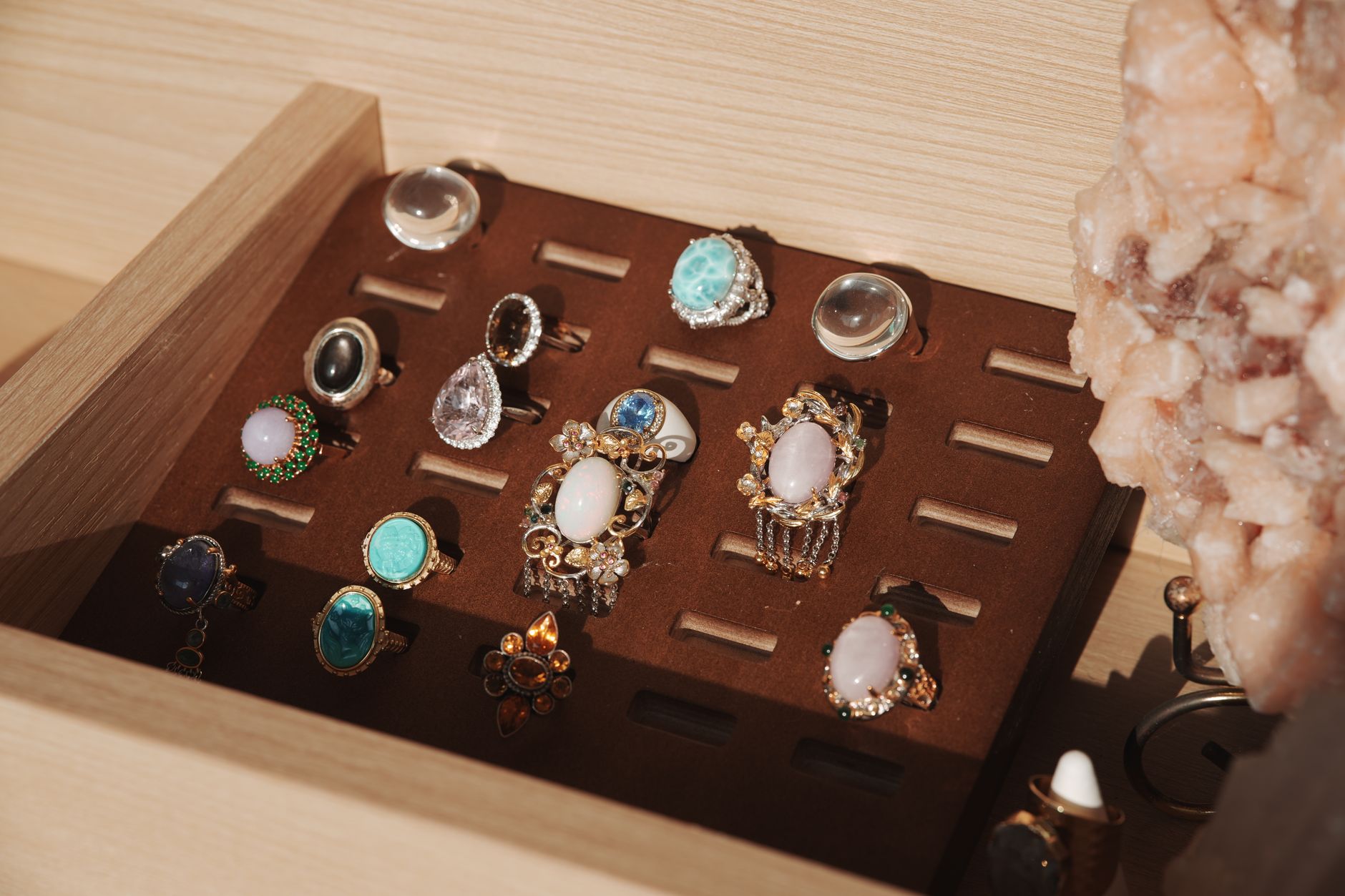
A gemstone appraisal service near you should provide an independent, written opinion of value based on gem identification, condition, market research, and the appraisal's intended use. Choose an appraiser with verifiable gemology and valuation training, suitable equipment, clear fees, and no financial interest in buying the item. An appraisal is not the same as a laboratory grading report or a purchase offer. The report should identify what was examined, explain important limitations, state the value type and effective date, and show how the appraiser reached the conclusion.
Table of Contents
- Match the Appraiser to the Purpose
- Which Credentials Matter?
- Equipment and Testing Limits
- How Fees Should Be Structured
- Questions to Ask Before Booking
- Frequently Asked Questions
Match the Appraiser to the Purpose
Tell the appraiser why you need the valuation before booking. Insurance replacement, estate distribution, charitable donation, divorce, resale planning, and damage claims can require different value definitions and research. An insurance appraisal commonly estimates the cost of replacing an item in an appropriate market. That figure may be much higher than the amount a dealer, auction house, or gold buyer would pay.
If you want to understand resale potential, request a market-value or liquidation assignment suited to that question. Ask whether the appraiser regularly handles your type of property. Colored stones, diamonds, antique jewelry, designer pieces, pearls, watches, and unmounted gems require different knowledge. A general jewelry appraiser may refer an unusually rare or difficult stone to a specialist laboratory.
Which Credentials Matter?
Look for formal gemology education plus specific training in appraisal methods. A gemology diploma can show that someone studied gemstone identification and grading, but it does not by itself establish competence in valuation, report writing, or market analysis. Professional appraisal organizations may offer education, designations, ethical rules, and continuing-education requirements. Verify any designation directly with the issuing organization, including whether it is current. Membership alone may not indicate advanced qualification.
Licensing rules vary by location, and many jurisdictions do not issue a dedicated jewelry-appraiser license. Ask how the appraiser stays current on treatments, laboratory-grown stones, valuation standards, and the markets used for comparable sales. Independence matters as much as credentials. An appraiser who also wants to buy the jewelry has a potential conflict. If a jeweler offers appraisal services, ask who performs the work and whether that person's fee or compensation depends on the reported value.
Equipment and Testing Limits
The appraiser's equipment should match the item and assignment. Common tools include a binocular microscope, calibrated scale, refractometer, polariscope, spectroscope, ultraviolet light, diamond-testing instruments, and controlled lighting for color assessment. Mounted jewelry limits access to a stone, so carat weight, proportions, treatments, and sometimes identity may be estimated. Settings can hide chips, filled fractures, inscriptions, and color concentrations. The report should label estimates and explain what could not be tested.
Screening devices can help distinguish some natural, treated, imitation, and laboratory-grown materials, but no single handheld tester answers every question. Advanced treatment or origin determinations may require specialized instruments and an independent gemological laboratory. For precious-metal jewelry, the appraiser may use hallmarks, electronic testing, X-ray fluorescence, or other methods. Surface testing can misread plated or mixed-metal pieces, while destructive testing may damage the item. Ask which methods will be used before leaving the jewelry.
How Fees Should Be Structured
Appraisers commonly charge a flat fee per item, a batch fee, or an hourly rate. Complexity, research, documentation, stone count, and the need to remove or separately test gems can affect the total. Avoid fees calculated as a percentage of the appraised value. That arrangement rewards a higher valuation and creates a conflict of interest.
The appraiser should provide a written estimate or explain the billing method before starting. Confirm what the quoted fee includes. Ask whether you will receive photographs, measurements, condition notes, gemstone and metal descriptions, a signed value opinion, and digital or printed copies. Also ask about charges for laboratory reports, travel, shipping, rush work, updates, or court testimony.
Questions to Ask Before Booking
A brief phone call can reveal whether the service fits your needs. Give the appraiser a basic description of the item, but do not rely on a price estimate made without inspection and market research.
Ask these questions: Before handing over jewelry, obtain an intake receipt listing each item and its visible condition. For a valuable piece, photograph it from several angles and record inscriptions, report numbers, distinctive inclusions, and existing damage.
- Which gemology and appraisal credentials do you hold, and where can I verify them?
- Do you regularly appraise this gemstone, jewelry period, brand, or type of setting?
- Which value definition will you use for my intended purpose?
- What equipment and tests will you use, and could any test damage the item?
- Can you detect laboratory-grown stones and common treatments, or will you recommend laboratory testing?
Frequently Asked Questions
Can a jeweler's free appraisal replace an independent appraisal?
It may be useful for basic documentation, but ask who prepared it, which market it reflects, and whether the jeweler benefits from the stated value.
Should I clean jewelry before an appraisal?
Light cleaning can improve inspection, but avoid aggressive home methods. Fragile settings, pearls, opals, emeralds, and treated stones may require professional cleaning.
Must the appraiser remove a gemstone from its setting?
Usually not, but a mounted examination has limits. Removal should occur only when necessary, authorized in advance, and performed by someone qualified to unset and reset the stone safely.