
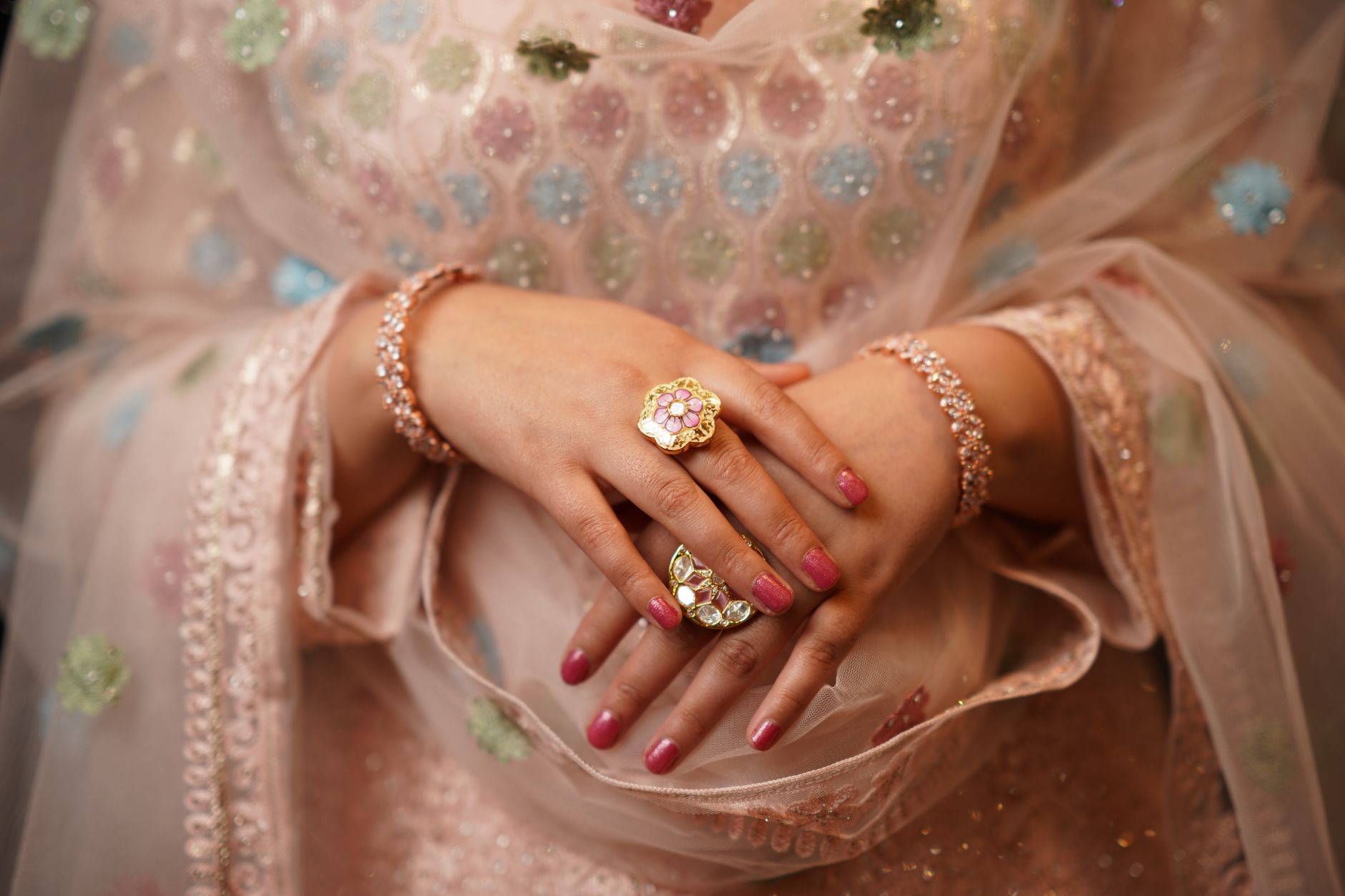
You can wear a plain platinum or solid gold ring in the shower without fast harm. Most other rings stay brighter and safer when you leave them outside the shower. Solid gold means gold mixed with hardening metals all the way through, not a thin coating. Shower water alone rarely harms that metal, but soap film, shampoo oils, and hard-water minerals can dull shine and collect around settings.
Table of Contents
- Which Metals Handle Water Best?
- Why Does the Shower Dull Rings?
- Which Rings Should Stay Out of the Shower?
- How to Protect a Ring You Wear Daily?
Which Metals Handle Water Best?
Platinum is dense and resists corrosion, so brief contact with clean water causes little change. Corrosion means slow chemical damage that pits or weakens metal. Solid gold also resists rust and does not flake in water. Sterling silver reacts more readily and can darken from moisture, air, and body products.
Tarnish is the dark surface film that forms on silver. Plated rings face a different risk because the thin outer layer can wear through and expose the base metal. For daily shower wear, a plain platinum or solid-gold band shows the least change. A polished silver or plated fashion ring shows dullness and wear first.
Why Does the Shower Dull Rings?
Hot water opens skin pores, but it does not clean jewelry. Soap and conditioner leave a thin film that traps minerals against metal and stones. That film mutes sparkle long before metal wears. Hard water carries dissolved minerals that dry into white spots on smooth bands.
Chlorine in pools and some tap water can be harsher on certain gold mixtures. Rinsing in plain water matters less than removing the soapy residue. Rubbing with a washcloth, loofah, or scrub can add fine scratches to polished surfaces. Those scratches catch soap faster and make the next shower look duller.
Which Rings Should Stay Out of the Shower?
Leave out any ring with glued parts, porous stones, or a plated finish. Porous means full of tiny holes that absorb liquid. Water and heat can loosen glue, swell porous material, and lift plating.
Take extra care with these types, even for a quick rinse. Slippery fingers also raise the chance of loss down the drain. If your ring fits tightly in cool air, heat and soap can still let it slide off. A snug fit in the bedroom does not guarantee a safe fit under hot water.
- pearls, opals, turquoise, coral, and wood inlays that absorb water and cleaners
- pave or micro-set diamonds and gemstones where soap packs between small prongs
- silver, brass, or plated fashion rings that darken or wear through
- rings that already spin, catch, or feel loose on the finger
How to Protect a Ring You Wear Daily?
If you wear a wedding band all day, build a simple routine around it. Remove the ring before showering and place it in one dry dish. Keep the routine short so you follow it every day.
A set spot prevents loss and limits handling scratches. If the ring did get soapy, rinse it in clean lukewarm water and pat dry with a soft cloth. A setting is the metal frame that holds a stone. Do not pull, twist, or poke at the setting to remove buildup.
- store the ring in the same dry spot away from the drain
- wait until lotion dries before sliding the ring back on
- wipe the band weekly with a soft damp cloth, then a dry cloth
- have prongs checked when a stone snags or rattles