
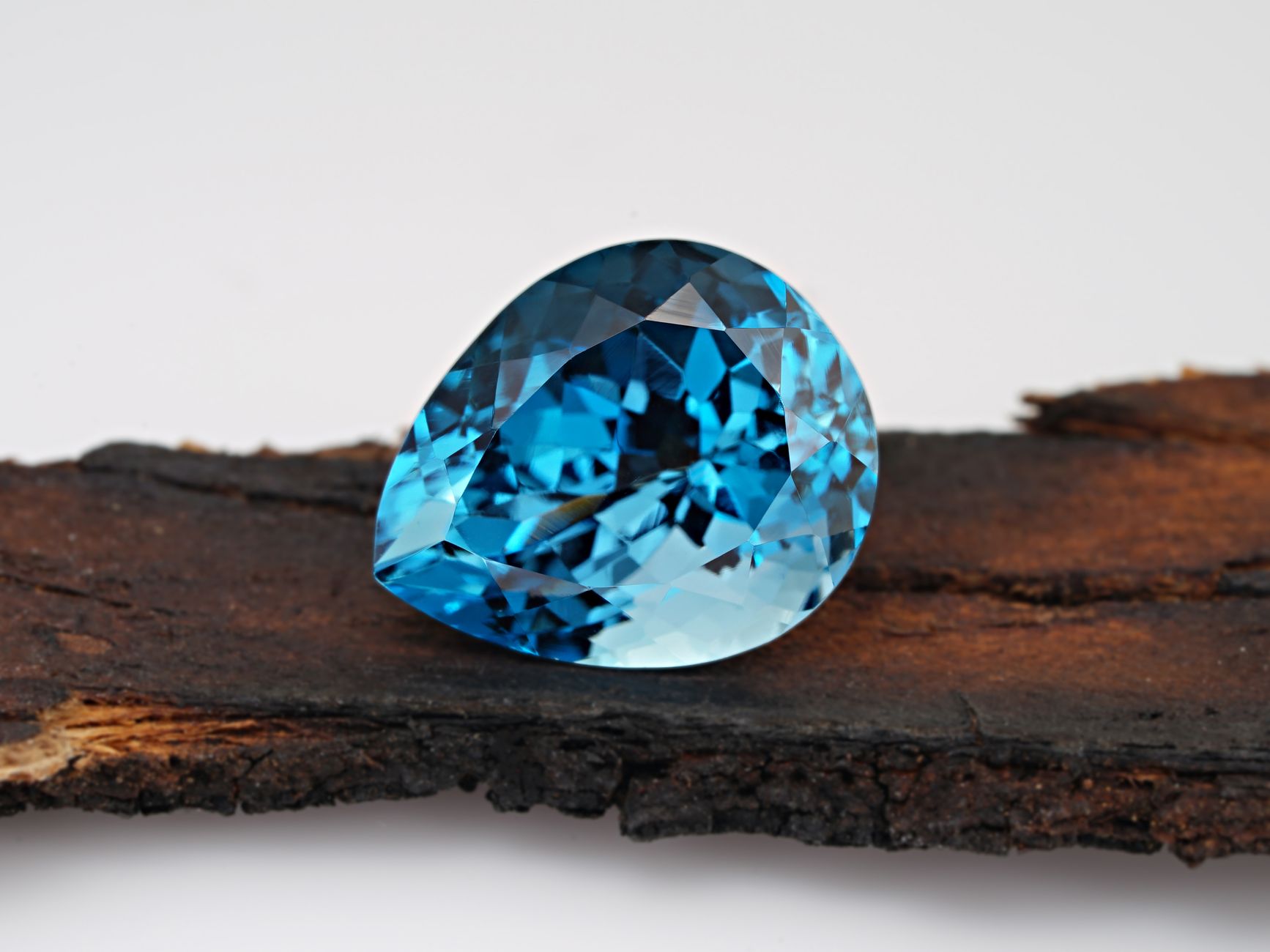
You can judge a blue topaz necklace — a neckpiece set with light to medium blue topaz — by checking the stone, the metal marks, and the seller information together. A reliable piece shows steady color and neat cutting in a clearly marked setting with plain disclosure about color treatment. No home check proves stone identity on its own. Use these checks to spot clear problems and decide when to request more proof or walk away.
Table of Contents
- What does authentic mean here
- How should the stone look up close
- What should the metal and setting show
- What should you ask before you buy
- Which warning signs deserve a second look
What does authentic mean here
Authentic usually means three things match the description: the stone is topaz, the metal is what the seller states, and any color improvement is disclosed. Blue color in topaz often comes from treatment, which means a laboratory or trade process that turns pale material blue. Treatment alone does not make a necklace fake when the seller states it clearly.
A problem arises when glass, quartz, or lab-grown material is sold as natural topaz without explanation. Lab-grown means human-made with the same mineral makeup. Ask which category the seller claims: natural topaz, treated blue topaz, lab-grown topaz, or another blue stone.
How should the stone look up close
Look at color in daylight and in room light. Treated blue topaz often shows an even sky-blue to medium blue tone across the stone, without dark patches or painted-looking edges. Strong zoning, which means sharp bands of very different color, deserves closer questions. Check clarity and cut with a simple magnifier.
Topaz is normally eye-clean or nearly so, with sharp facet edges and a lively return of light. Chips, scratched facets, glued settings, or dull polish point to poor work or a different material. Glass imitations may hold round air bubbles, swirled texture, or molded shapes. Topaz does not show those features. One bubble-like flaw does not settle identity, but several round bubbles favor glass.
What should the metal and setting show
Turn the pendant, clasp, and back of the setting toward light. Precious metal often carries a hallmark, which means a small stamped mark of metal type, such as 925 for sterling silver or 585 for 14-karat gold. A missing, blurry, or misspelled mark is a warning sign. Study how the stone sits.
Prongs should touch the stone evenly, bezels should feel smooth, and drill holes in beads should line up. Excess glue, bent prongs, rough edges, or a clasp that sticks suggest weak craft. Match metal color to the mark. A piece marked as solid gold should not show a base-metal core at worn edges. Heavy wear, flaking, or green deposits suggest plating over another metal.
What should you ask before you buy
Ask for facts in writing, not adjectives. A clear seller will name the stone, the metal, the treatment status, and the return terms.
Keep the answers with the listing photos. If testing matters, ask whether the seller accepts review by an independent gem laboratory. A refusal does not prove fraud, but it raises risk.
- Is the stone natural topaz, treated blue topaz, lab-grown topaz, or another stone
- What metal is the chain and setting, and can you show the mark in a photo
- Was color treated, and where is that stated on the receipt
- What return period applies if an appraiser disagrees
Which warning signs deserve a second look
Some listings need extra care. Vague wording, poor photos, and rushed pressure often hide basic facts. Request a new daylight photo and a photo of the mark before you pay.
- Color pools near edges or rubs off in grooves
- Only distant photos, with no close view of stone and mark
- Title says topaz while details say blue stone or blue gem
- No metal mark, or mark and color do not match
- Seller avoids direct questions about treatment, metal, or returns