
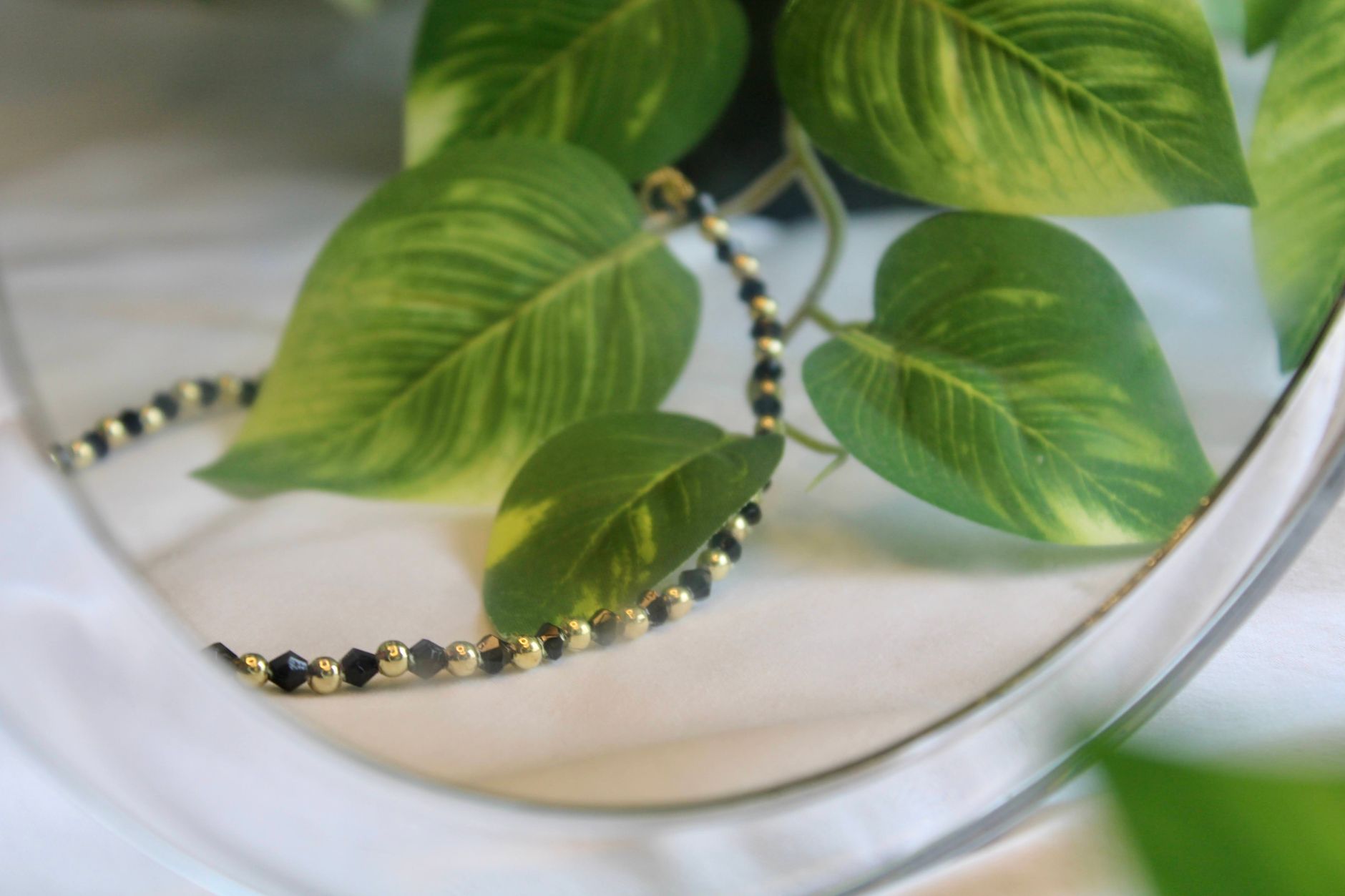
A buyer can check a black spinel necklace by looking closely at the stones, the craftsmanship, the seller information, and the options for independent testing. Black spinel is a dark gemstone, often faceted, used in jewelry as a natural stone or one that has been heated or otherwise treated. Color alone does not prove identity, because several dark stones and manufactured materials look similar at a glance. This guide explains practical differences, simple at-home checks, useful documents, and limits that call for laboratory testing.
Table of Contents
- What does black spinel look like in jewelry?
- What can you check without special tools?
- What should you ask the seller?
- What paperwork actually helps?
- When does a necklace need laboratory testing?
What does black spinel look like in jewelry?
Black spinel used for necklaces is typically very dark gray to black with bright surface reflections. Faceted beads and calibrated stones often show crisp facet edges and small flashes of gray along the edges in strong light.
Glass, dyed quartz, dyed onyx, and synthetic stones can resemble black spinel to the eye. Opaque black onyx usually looks flatter and more uniform, while many glass beads show rounded edges, bubbles, or mold marks under magnification.
What can you check without special tools?
Start with overall quality, because consistent cutting and secure settings signal a serious jewelry piece. Look for even color, matched size, symmetrical shape, clean polish, and prongs or beadwork that hold each stone firmly.
These checks do not identify the stone, but they expose obvious problems. Poor symmetry, flaking color, strong brown bands, or many round bubbles point away from well-cut spinel.
- Examine stones under bright light with a simple loupe for bubbles, dye buildup in cracks, scratches, and uneven color
- Check the clasp, stringing, metal marks, sharp edges, and loose or rattling stones
- Compare stones to each other for match in tone, saturation, luster, and finish
- Photograph markings and any tags so you can ask precise follow-up questions
What should you ask the seller?
Ask whether the stones are natural, treated, synthetic, or imitation, and whether the metal is solid, plated, or filled. Clear answers should name the gem material, treatment if known, metal type, and whether stones were tested by the seller.
Save the listing, receipt, return terms, and any written description of materials and treatments. A general appraisal or sales card is useful background, but only a gemstone report that describes testing can carry weight about identity.
What paperwork actually helps?
A jewelry receipt establishes what was sold, while a laboratory report describes what was tested and how. For a necklace, a report may cover representative stones rather than every bead, so read the scope, methods, limits, and disclaimers.
Keep treatment disclosure with the receipt, because heating is common for some spinel and dye or coating changes care and value. If the seller cannot explain the basis for the name black spinel, treat the label as unverified and rely on return rights or further testing.
When does a necklace need laboratory testing?
Seek testing when the price, gift purpose, estate claim, or resale plan depends on the stones being spinel. A qualified gem laboratory can separate spinel from glass, synthetic spinel, garnet, onyx, and other dark materials using optical and instrumental tests.
Ask the laboratory what it can test without removing stones, what it charges, and whether testing could loosen settings. Bring the necklace, paperwork, and seller description to the appointment so results address the actual buying claim.