
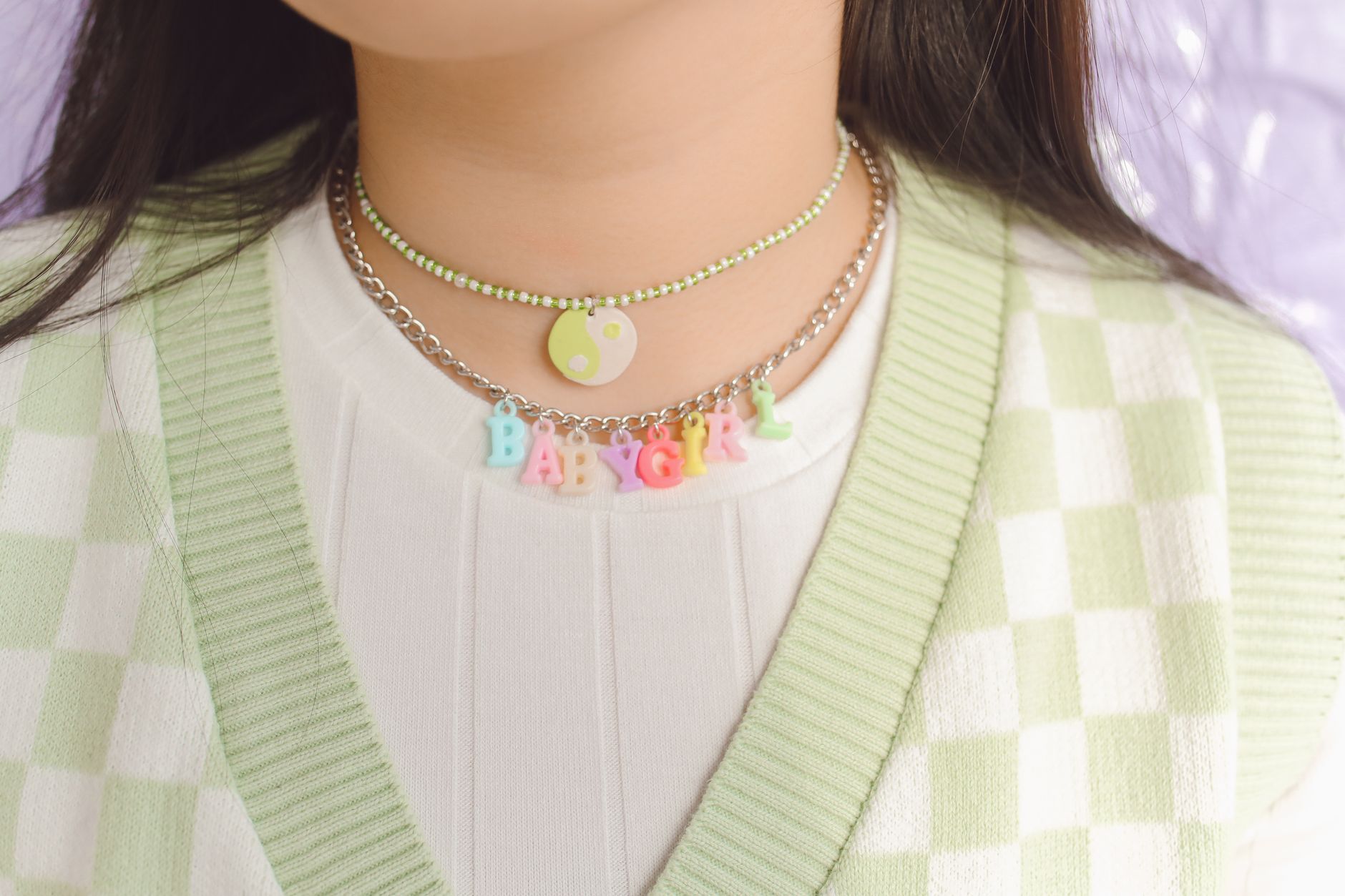
The Y2k fashion look is built on deliberately maximalist accessories paired with fitted, often sheer or cropped silhouettes—think low-rise jeans with a visible thong-line in fabric or a rhinestone-studded nameplate necklace layered against bare skin. To achieve this aesthetic, you’re essentially combining early 2000s proportions and fabrics with a jewelry approach that treats layering and visible branding as design statements. The style thrived from roughly 1998 to 2004, when celebrities like Paris Hilton and Britney Spears wore chunky gold chains over baby tees and nameplate necklaces as everyday essentials, not special occasion pieces.
What made Y2k jewelry distinct wasn’t subtlety—it was presence. The era rejected the understated elegance of previous decades in favor of visible luxury markers: chunky gold chains, oversized hoop earrings, rhinestone-encrusted hair clips, and personalized pendants worn at collarbone height. Whether you’re interested in recreating the full era or borrowing specific elements, understanding the core jewelry and silhouette combinations is essential to nailing the look without appearing costumey.
Table of Contents
- What Defines Y2k Jewelry and Styling?
- Color Palettes and Metal Choices for Authenticity
- Core Y2k Jewelry Pieces and How to Style Them
- Modernizing Y2k Jewelry for Contemporary Wear
- Common Mistakes and Oversizing Issues
- Sourcing Authentic vs. Contemporary Y2k Pieces
- Specific Metal and Material Combinations That Dominated the Era
- Frequently Asked Questions
What Defines Y2k Jewelry and Styling?
Y2k jewelry centered on gold and silver metals worn in bold, often clashing combinations. A typical outfit might pair a gold nameplate necklace with silver hoop earrings and a silver toe ring—the mixing of metals was intentional and celebrated rather than treated as a faux pas. The jewelry was typically heavier than contemporary pieces, with chains showing noticeable link width and pendants large enough to be seen from across a room. Layering was another defining characteristic: wearing two or three chains of different lengths simultaneously was standard practice, often mixing chain styles (flat links, curb chains, rope chains) in the same look.
The silhouettes that worked best with this jewelry were those that exposed skin deliberately. Spaghetti-strap tanks, halter tops, and deliberately cropped tees created the bare chest and shoulder space needed to showcase multiple chains. Cargo pants with visible hip bones, baby tees that ended above the navel, and low-rise jeans were the structural foundation—the jewelry wasn’t an afterthought but a central part of the overall proportion and visual weight. For comparison, wearing a single delicate chain with a high-necked sweater reads as contemporary jewelry; a chunky nameplate on the same sweater would look completely incongruous, which is why silhouette and jewelry worked together as a complete system.
Color Palettes and Metal Choices for Authenticity
The Y2k era worked almost exclusively with warm gold, cool silver, and occasionally two-tone combinations that mixed them deliberately. Rose gold barely existed in mainstream jewelry during this period, so if you’re sourcing vintage Y2k pieces, rose gold accessories will feel slightly off-period. White gold was available but less common in the streetwear context; celebrity Y2k looks tended toward bright yellow gold (which often had high nickel content and appeared more brassy than contemporary gold alloys) or sterling silver with its characteristic bright, reflective finish. One limitation of modern Y2k recreation is that contemporary gold has a different appearance than early 2000s gold due to changes in alloy composition.
Vintage pieces from the era often show a warmer, more saturated color that’s difficult to replicate with new jewelry. If you’re purchasing new pieces rather than hunting vintage, expect slight color shifts compared to reference photos from celebrity red carpets or magazine spreads of that era. Rhinestones and cubic zirconia dominated decoration rather than genuine gemstones; the sparkle was artificial and deliberately so, creating a flashy, almost costume-like quality that was part of the appeal. Some luxury brands did produce Y2k-era pieces with genuine diamonds and precious stones, but the mass-market Y2k look relied on crystal and paste materials.
Core Y2k Jewelry Pieces and How to Style Them
The nameplate necklace is the single most recognizable Y2k accessory—a pendant engraved with a name, typically 2-3 inches wide, worn on a chain close to the collarbone. Original versions came from brands like Enamels and celebrity jewelers; contemporary versions range from estate pieces to new reproductions. A nameplate worn on a baby tee with visible low-rise jeans below creates an immediate Y2k silhouette. Beyond nameplates, chunky chain necklaces in lengths ranging from 16 to 24 inches appeared constantly, often worn doubled or tripled to create visual weight.
Hoop earrings were nearly universal, typically 1.5 to 3 inches in diameter, and worn in multiples (double ear piercings were standard). Ankle bracelets and toe rings completed the look—delicate ankle chains or heavier rope-style anklets worn with exposed ankles and bare feet or minimal shoes created the proportional contrast that defined Y2k dressing. Hair clips, often shaped like butterflies or hearts and covered in rhinestones, appeared in gravity-defying positions on the head. Chunky rings stacked on multiple fingers and ornamental belly button rings (when low-rise jeans exposed the midriff) were additional markers. A specific example: Paris Hilton’s early 2000s look frequently combined a gold nameplate necklace with a chunky gold herringbone bracelet, small hoops, and sometimes a visible belly ring—all coordinating in the same warm gold finish but different styles and weights, creating visual interest through variety rather than cohesion.
Modernizing Y2k Jewelry for Contemporary Wear
Wearing full Y2k styling in 2026 requires intention, as pure recreation reads as costume or throwback rather than fashion. A more wearable approach involves isolating specific pieces: a nameplate necklace worn with contemporary clothing (a basic white shirt, modern jeans, minimal jewelry otherwise) creates a Y2k reference without the complete tableau. Similarly, layered chains work with current fashion trends, especially minimalist or oversized silhouettes where jewelry can ground the proportions.
The key tradeoff is between authenticity and wearability. Wearing a genuine vintage Y2k outfit requires commitment to the era’s silhouettes, proportions, and bare-skin exposure—there’s no shortcut to the look without the low-rise jeans and visible midriff. If you want to integrate Y2k elements into contemporary wardrobing, choose one or two signature pieces (perhaps a nameplate and layered chains, or heavy hoops and a rope bracelet) and pair them with modern clothing that respects current proportions. Mixing 2000s jewelry with contemporary high-waisted silhouettes creates confusion rather than cohesion, whereas a single recognizable Y2k piece can function as an intentional statement against neutral modern basics.
Common Mistakes and Oversizing Issues
The most frequent misstep in Y2k recreation is undersizing the jewelry. Contemporary viewers often default to delicate, smaller-scale pieces because that’s the dominant jewelry aesthetic of the 2020s, but Y2k jewelry was deliberately chunky and impossible to miss. A nameplate necklace that’s too small (under 1.5 inches wide) won’t read as Y2k; it needs to occupy visible space on the chest. Hoop earrings smaller than 1.5 inches shift the look toward contemporary minimalism rather than early 2000s maximalism. The era celebrated visibility and presence—there’s no such thing as too loud or too much in authentic Y2k styling.
Another common error is mixing metal finishes without intention. While Y2k did occasionally clash metals, it did so deliberately and usually limited to two colors (gold and silver, or gold and white gold), not three or four. Combining rose gold, yellow gold, and silver in one outfit reads as modern mixing rather than Y2k layering. Additionally, wearing Y2k jewelry with minimal, understated clothing creates a jarring effect—the jewelry demands a presence in the overall silhouette. Pairing a chunky nameplate with a high-necked, long-sleeved contemporary dress negates the jewelry’s impact; the bare chest, short sleeves, or visible shoulders that were standard in Y2k styling are essential to making the pieces read authentically.
Sourcing Authentic vs. Contemporary Y2k Pieces
Vintage Y2k jewelry exists in active resale markets, particularly on platforms specializing in early 2000s clothing and accessories. Estate sales, vintage jewelry retailers, and secondhand online stores often carry genuine pieces from the era, which have the color and wear patina that makes them unmistakably authentic. A vintage gold nameplate or herringbone chain carries weight and history that new reproductions can’t quite replicate—the metal itself has aged slightly, and the original design often shows more variation than contemporary reproductions, which are often manufactured from the same digital template repeatedly.
Contemporary brands have begun producing Y2k-inspired jewelry, which offers consistency, warranty, and the ability to custom-order. However, these pieces often default toward slightly delicate proportions or polish finishes that don’t quite match the boldness of the era. If purchasing new, prioritize weight (the piece should feel substantial in your hand and on your body) and scale (jewelry should be visibly larger than contemporary standards), which are the two most important markers of authenticity.
Specific Metal and Material Combinations That Dominated the Era
The most iconic Y2k look combined 14k or 18k yellow gold nameplate necklaces with sterling silver hoop earrings—this specific mix appeared in countless celebrity photos and marked the period’s aesthetic. Chunky gold herringbone bracelets paired with silver anklets and mixed-metal rings on different fingers created variety without chaos. The jewelry was often heavier than modern equivalents (many nameplate chains weighed 15-20 grams, compared to contemporary lightweight chains), contributing to the visual and tactile presence that defined the era.
Plastic and acrylic elements were also common—charm bracelets with plastic beads, acrylic rhinestone hair clips, and even plastic nameplate-style jewelry existed in the mass-market Y2k aesthetic. This democratized the look and explained its widespread adoption; not everyone could afford solid gold pieces, so costume and mixed-material jewelry achieved the visual effect for a wider audience. The essential element wasn’t material value but visual boldness and the willingness to wear multiple, varied pieces simultaneously without concern for traditional coordination rules.
- —
Frequently Asked Questions
Can I wear Y2k jewelry with modern high-waisted jeans?
Technically yes, but it shifts the aesthetic away from Y2k toward contemporary mixing. Y2k styling relied on low-rise jeans, visible hip bones, and exposed skin to create the visual proportion that made chunky jewelry work. High-waisted jeans cover the midriff and hip area, creating a silhouette that contradicts the era’s bare-skin approach. If you wear Y2k jewelry with modern clothing, high-waisted pieces work best with minimal, understated jewelry rather than the opposite.
Is rose gold acceptable for Y2k styling?
Rose gold is ahistorical for the Y2k period; it wasn’t widely available or worn in early 2000s mainstream fashion. Yellow gold and sterling silver were the dominant metals. If you want to recreate an authentic Y2k look, stick to warm yellow gold or bright sterling silver. Rose gold can work in contemporary mixing, but it won’t read as genuinely Y2k.
How much jewelry is too much for Y2k styling?
In authentic Y2k fashion, there’s rarely such a thing as too much. Multiple chains of different lengths, stacked rings on several fingers, double hoop earrings, an ankle bracelet, and a belly ring were all standard simultaneously. The constraint is that all pieces should be intentional and visible—hidden jewelry doesn’t contribute to the aesthetic. Overcrowding with small, delicate pieces reads as contemporary jewelry layering rather than Y2k maximalism.
Can vintage Y2k jewelry be resized or modified?
Yes, but nameplate necklaces are typically difficult and expensive to resize because the custom engraving and large pendant make structural changes complicated. Chains can often be shortened or lengthened by a jeweler. Heavy vintage pieces like herringbone bracelets can occasionally be resized but may lose value if they’re rare or collectible. Before purchasing vintage pieces with the intention of modifying them, consult a jeweler about feasibility and cost.
What’s the price range for authentic vintage Y2k jewelry?
Vintage nameplate necklaces range from $75 to $500+ depending on gold content, condition, and the personalization (custom names or unique designs command higher prices). Vintage chunky gold chains typically cost $150 to $800+. Vintage silver hoop earrings are often under $100. Estate sales sometimes offer better pricing than specialized vintage retailers, but condition and authenticity vary.
Is it better to invest in vintage or buy contemporary reproductions?
Vintage pieces have authenticity, weight, and often better metal quality, but they require hunting and careful authentication. Contemporary reproductions offer consistency and the ability to custom-order, but they often undersell on scale and boldness. If you want a single signature piece (like one nameplate), vintage offers better character. If you want a complete wardrobe of Y2k jewelry, mixing vintage statement pieces with contemporary basics is a practical approach.