

Picking the right chain is about balancing three fundamental factors: the material’s durability, the design’s strength, and the length’s fit on your body. A quality chain will hold your pendant securely, resist daily wear without breaking, and complement your frame proportionally. For example, a delicate gold wheat chain measuring 18 inches will sit differently than a 24-inch version on the same person—and choosing poorly can mean discomfort, poor aesthetics, or a piece that won’t last through regular wear.
The good news is that understanding a few key principles makes this choice straightforward. You don’t need to be a jewelry expert; you just need to know what materials last, what designs offer strength without bulk, and how to measure yourself correctly. This guide walks you through each decision point so you can select a chain that will serve you reliably for years.
Table of Contents
- WHAT MAKES A STRONG JEWELRY CHAIN?
- MATERIAL DURABILITY AND LONGEVITY
- MEASURING FOR THE RIGHT CHAIN LENGTH
- MATCHING CHAIN WEIGHT TO YOUR LIFESTYLE
- CLOSURE MECHANISMS AND SECURITY
- AESTHETIC COMPATIBILITY AND STYLE FACTORS
- LONG-TERM VALUE AND INVESTMENT PERSPECTIVE
- Conclusion
WHAT MAKES A STRONG JEWELRY CHAIN?
The design of your chain matters as much as its material. The wheat chain continues to dominate jewelry trends in 2026 precisely because its woven design creates strength without adding bulk—each link locks smoothly into the next, distributing stress across the entire piece rather than concentrating it on a single point. This engineering detail is why a wheat chain can be thinner than other designs and still remain durable.
Other designs like the box chain or rope chain offer similar benefits, but they each have different visual characteristics and wear patterns. A box chain has clean, square links that appeal to minimalist aesthetics; a rope chain twists for a textured look but can catch hair or fabric more easily. When you’re comparing chains, think about not just how they look, but how the link structure distributes tension. A poorly designed chain will fail where links meet; a well-designed one distributes force evenly.

MATERIAL DURABILITY AND LONGEVITY
Solid gold and stainless steel are the two materials recommended by jewelry makers and experts for chains that last a long time. Solid gold—14K or 18K—offers timeless beauty and won’t tarnish, though it does soften slightly over years of wear, which is actually a point in its favor because it distributes stress gradually rather than snapping suddenly. Stainless steel is harder, more affordable, and requires less maintenance, but it can show micro-scratches more visibly over time. The limitation here is that many chains sold as “gold” are actually gold-plated or gold-filled, meaning a thin layer of gold sits over a base metal.
These are cheaper but will wear through within a few years if worn daily. Plating typically lasts 1-3 years of regular wear before you see the base metal underneath. If you’re buying for long-term wear, pay the premium for solid gold or stainless steel. Your future self will thank you when you’re not replacing the chain three years later.
MEASURING FOR THE RIGHT CHAIN LENGTH
Measuring your neck is essential to get the best chain length for comfort and aesthetic appeal, yet most people skip this step. The proper method is to use a soft measuring tape around your neck where the chain will sit—usually about a half-inch below your collarbone—and pull it snug but not tight. Write down this measurement; this is your base length. From here, add length based on the pendant (if you’re wearing one) and your personal preference.
A 16-inch chain sits at the collarbone and works for petite frames or shorter necks. An 18-inch chain (the most popular length) hits just below the collarbone on average frames. A 20 to 24-inch chain drapes lower and suits larger frames or layering multiple chains. The difference between 18 and 20 inches might seem small, but on your body, it’s noticeable—it changes not just comfort but how the chain photographs and how your pendants sit relative to your chest.

MATCHING CHAIN WEIGHT TO YOUR LIFESTYLE
A thicker, heavier chain feels substantial and luxurious but puts more stress on your neck during all-day wear. A thinner, lighter chain is comfortable for everyday wearing but may feel less impressive visually. This is the classic tradeoff: you can have a chain that looks impressive but feels heavy, or one that feels comfortable but looks delicate. The wheat chain design actually splits the difference—it appears substantial because of the woven texture without being as heavy as a solid link chain.
Consider your lifestyle when making this choice. If you work at a desk and rarely remove your chain, a heavier design is fine. If you’re active, exercise regularly, or need something for all-day comfort, go lighter. Many people solve this by owning two chains: a heavier dress version and a lighter everyday version. This lets you get the best of both worlds without compromise.
CLOSURE MECHANISMS AND SECURITY
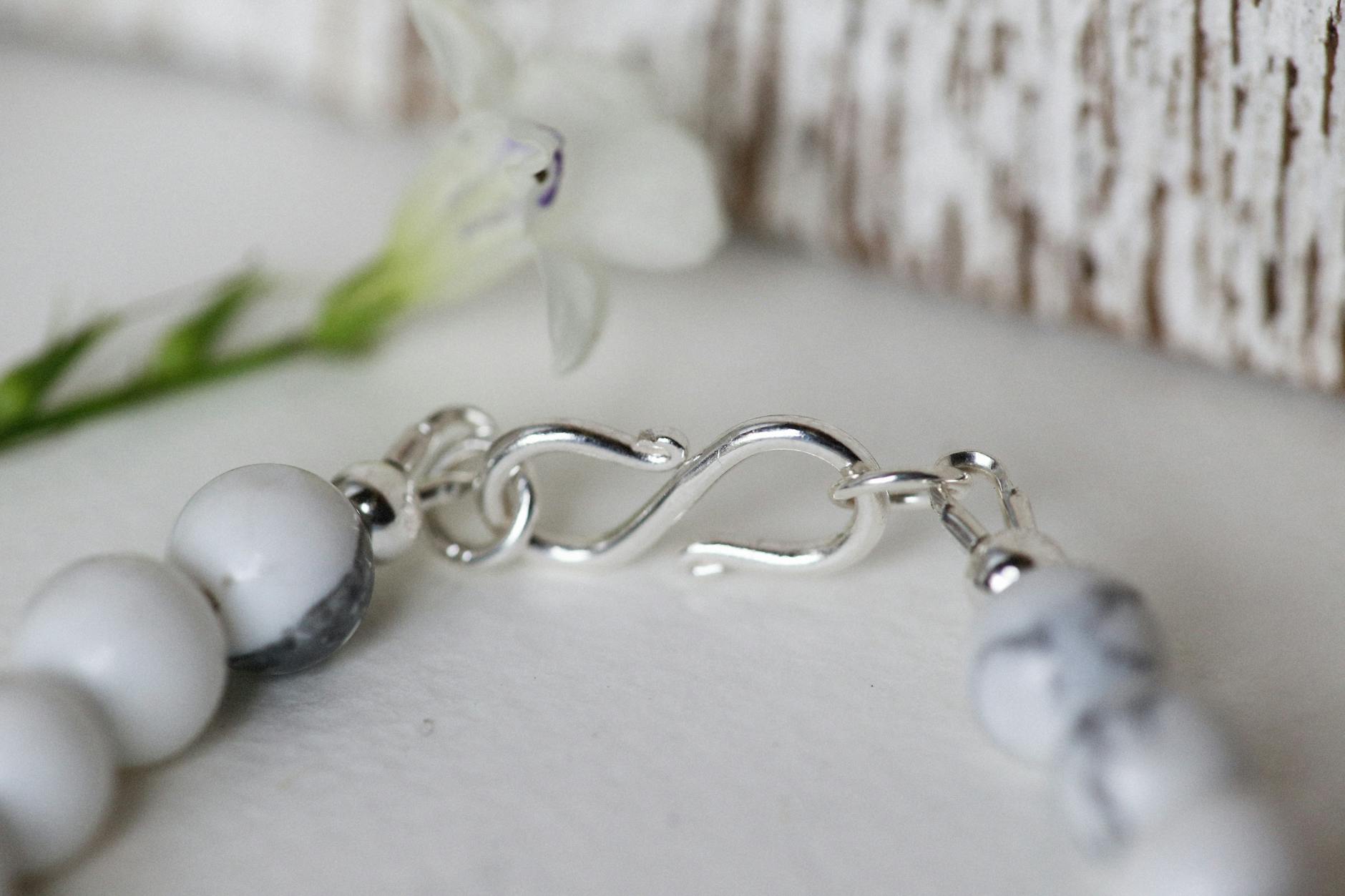
The clasp or closure of your chain is where failure often occurs because it experiences repetitive stress every time you put the chain on or take it off. A lobster claw clasp is secure and less likely to accidentally open, but it’s visible and can catch on fabric. A spring ring is smaller and less obtrusive but requires more force to open and close, which means more stress over time.
A box clasp is strong and smooth but can be harder for some people to operate with one hand. There’s a real limitation here: the most secure clasps aren’t always the most convenient, and the most convenient aren’t always the most secure. If you’re choosing a chain to wear 24/7 or with valuable jewelry attached, prioritize security over convenience. If you remove your chain daily, a easier clasp might be worth the slightly lower security rating.
AESTHETIC COMPATIBILITY AND STYLE FACTORS
Your chain should coordinate with your skin tone, existing jewelry, and personal style. Gold chains (yellow, white, or rose) have different visual impacts on different skin tones, though modern style often treats these as less rigid rules than they once were. The finish of the chain also matters—a polished chain is bright and reflective; a matte or brushed chain is more subtle and modern.
The thickness of your chain should also proportion to your frame and the pendants you’ll wear. A delicate pendant looks lost on a thick chain; a heavy pendant looks bottom-heavy on a thin chain. These are aesthetic rules, not hard requirements, but getting them right means your investment actually looks intentional rather than random.
LONG-TERM VALUE AND INVESTMENT PERSPECTIVE
Unlike fashion jewelry that goes out of style, a quality chain in solid gold or stainless steel maintains its value because it’s essentially holding the material value of the metal itself. Solid gold chains can often be melted down and reused if you ever want to reset your jewelry.
This durability and material value mean that buying a better-quality chain upfront is actually an investment, not just an expense. The wheat chain’s continued dominance in 2026 suggests it will remain stylistically relevant for years to come, making it a safer choice than more trendy designs if you want a piece that won’t feel dated. This doesn’t mean you should only buy classics—it means that if you’re spending serious money, the chain that offers both aesthetic appeal and design longevity is your best bet.
Conclusion
Picking the right chain comes down to five decisions: material (solid gold or stainless steel), design (wheat chains offer a good balance of strength and aesthetics), length (measure your neck and add for your frame and style), weight (lighter for comfort, heavier for presence), and clasp (prioritize security if you wear it constantly). Each decision involves tradeoffs, and the right answer depends on your lifestyle, budget, and personal taste.
Start by measuring your neck, choosing between solid gold and stainless steel based on your budget and maintenance preferences, and deciding whether you want a classic wheat chain or prefer another design. Once you’ve made these choices, you’ll have a chain that works for your body, complements your style, and will hold up to years of wear without breaking.