

Every man who wants to elevate his jewelry collection needs three foundational chains: a classic 20-22 inch curb chain in silver or stainless steel, a rope or Franco chain for texture and visual interest, and either a Cuban link or another statement piece that reflects his personal style and lifestyle. These aren’t optional accessories—they’re the building blocks of a cohesive men’s jewelry wardrobe, much like a white button-down or plain t-shirt forms the basis of clothing. When worn correctly, chains work at the intersection of practicality and presence: visible enough to complement an open-collar shirt or henley, discrete enough to tuck away when formality demands it. The reason this matters now is timing.
Men’s jewelry is experiencing genuine growth, with the category projected to expand 7–8% annually through 2028—well ahead of general jewelry’s 4.1% unit growth. Men’s chain necklaces specifically maintain the highest search interest in this space, with consumer demand peaking in November 2025. What was once considered an outlier item has become mainstream, driven partly by a resurgence of 1990s streetwear aesthetics but also by the simple fact that more men are realizing chains work with their existing wardrobes without requiring dramatic style changes. This article breaks down which chains actually deserve space in your collection, what materials hold up in daily wear, and how to build a versatile set without overthinking it.
Table of Contents
- What Are the Essential Chain Styles Every Man Should Own?
- Material Durability and Why Stainless Steel Is Winning
- Chain Length and Why 20–22 Inches Matters
- Building Your First Chain Wardrobe Without Overcomplicating It
- Durability Concerns and Maintenance Realities
- Mixing Metals and Creating Visual Coherence
- Where Men’s Chains Are Heading and What That Means for Your Collection
- Conclusion
What Are the Essential Chain Styles Every Man Should Own?
The three essential styles—curb chains, Franco chains, and Cuban links—address different occasions and outfit combinations. A curb chain, particularly in tightly woven silver or stainless steel in 2–3mm widths and 18–20 inches in length, serves as the everyday workhorse. It’s understated enough for conservative settings but substantial enough to be visible when you want it to be. Compared to finer chains, which can look almost accidental around your neck, a proper curb chain reads as intentional without screaming for attention. Franco chains and rope chains bring texture and visual weight.
These styles, particularly popular in 2026 in gold tones, work better with t-shirts and casual wear because the woven or twisted construction catches light differently than smooth curb links. A Franco chain in gold creates visual interest even without a pendant, whereas wearing multiple thin chains together often looks unintentional. The trade-off: texture chains show wear faster if you’re rough on jewelry, and they can snag on fabric or facial hair if they’re too close to your neck. Cuban links, especially in the trending micro size of 3–6mm widths, bridge everyday and elevated looks. At this size, they’re modern—not the oversized cuban links associated with dated 1990s styling—and they complement both casual and business-casual outfits. The limiting factor is cost: solid gold Cuban links in quality materials command a higher price than steel curb chains, which matters if you’re building a collection on a realistic budget.
Material Durability and Why Stainless Steel Is Winning
Stainless steel, specifically 316L surgical grade with PVD coating, has become the fastest-growing material in men‘s everyday jewelry for a straightforward reason: it actually functions in real life. While solid gold commands higher status and investment value, steel chains with proper PVD coating won’t tarnish, won’t require constant cleaning, and won’t mark your skin. If you wear a chain daily—to the gym, through sweat, under a shirt—steel performs where gold requires maintenance. The catch is that not all steel is equal.
Standard stainless steel can still discolor or tarnish if the coating breaks down. 316L with PVD (Physical Vapor Deposition) coating is engineered to resist this, holding its finish through perspiration, chlorine, and regular contact with skin. It’s also significantly less expensive than gold equivalents, making it sensible for your first or second chain when you’re still figuring out what styles suit you. This doesn’t diminish gold’s appeal—mixed metal styling is trending for 2026, with men combining warm gold tones with cool silver or white gold finishes to suggest a collection assembled over time rather than purchased in one shot. If you have the budget, owning one solid gold piece and several steel pieces creates versatility and depth.
Chain Length and Why 20–22 Inches Matters
Length determines whether a chain disappears or announces itself. The optimal range of 20–22 inches falls at the collarbone, which means it’s visible when you’re wearing anything unbuttoned or open-necked but can be concealed under a regular shirt if an occasion demands it. This length also frames the chest and neck proportionally for most adult men without looking either too short (which reads as choker-like) or too long (which disappears into a shirt). A 20–22 inch chain will sit differently depending on your build. If you’re broader in the shoulders, you might prefer 22 inches to create balance.
If you’re slighter, 20 inches might suit you better. The practical consideration is that you can’t easily resize a chain once you’ve committed to it, so trying on similar lengths before purchasing saves frustration. Some men keep both lengths and rotate based on the outfit and neckline they’re wearing that day. Chains shorter than 18 inches start looking like they’re choking you and rarely work except on men with very lean necks. Chains longer than 24 inches tend to disappear under regular clothing and become less functional. If you’re considering a pendant-heavy chain, factor in that the pendant itself adds visual weight below the chain’s natural length.
Building Your First Chain Wardrobe Without Overcomplicating It
Start with one versatile piece rather than accumulating five chains at once. That first chain should be a 20–22 inch curb or Franco chain in either silver or stainless steel, depending on whether you naturally gravitate toward warm or cool tones in your other jewelry and watches. This single piece will work with most of your existing wardrobe because it’s not demanding—it’s a foundation, not a statement. Your second chain should contrast texturally with the first. If your first chain is smooth curb links, your second chain should be rope or Franco—something that looks different when you’re building a layered look or when you want to change the visual weight of your neck and chest.
This pair of chains covers casual, smart-casual, and even business-casual contexts when you’re sitting in settings where you want subtle jewelry. A third chain—if you’re at the point where this matters—should be the piece you actually want to wear. It might be a Cuban link in gold, or it might be something with a specific finish or pendulum that matches your interests. The danger of starting here is overthinking: many men buy statement chains first and then avoid wearing them because they feel performative. Buy the practical pieces first, then let your personal preferences emerge.
Durability Concerns and Maintenance Realities
Chains break most often at the clasp, not along the links themselves. A cheap clasp fails under regular use—catching on clothing, taking the weight of your body temperature shifts, simple wear and tear. When evaluating chains, pay attention to the clasp quality as much as the material. A solid gold chain with a flimsy clasp is a frustration waiting to happen, whereas a steel chain with a robust box or lobster clasp will outlast it. Weight matters too, though not the way many people assume. A chain that’s too light feels cheap and unreliable, like it might snap without warning.
A chain with proper heft—something you can feel when you put it on—instills confidence and typically indicates better material density and construction. That said, if you’re wearing a chain against bare skin in a warm climate, excessive weight becomes uncomfortable by midday. PVD coating on stainless steel can degrade if the chain is repeatedly bent sharply or if the material underneath gets scratched. Avoid coiling chains tightly or wrapping them around your fingers repeatedly—store them loosely or on a small stand. For gold chains, the main enemy is prolonged exposure to harsh chemicals and abrasive cleaners. A simple rule: treat your chains the way you’d treat a decent watch, and they’ll last for years.
Mixing Metals and Creating Visual Coherence
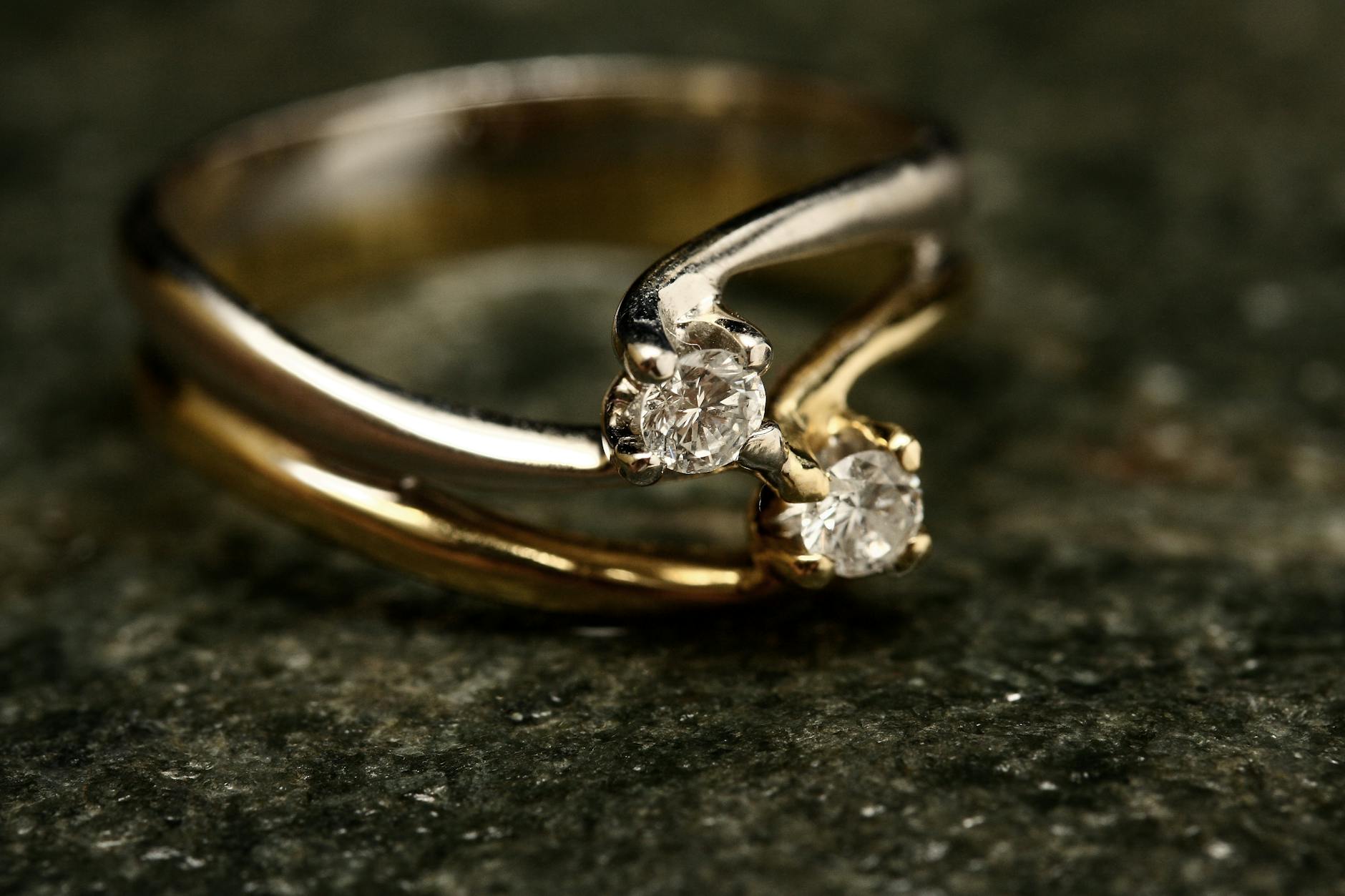
Wearing one gold chain and one silver chain together used to read as accidental, like you grabbed whatever was in the drawer. Now, mixed metal styling has become intentional and sophisticated, particularly if you pair warm gold with cool silver or white gold in complementary widths. A 3mm gold Cuban link worn with a 2mm silver Franco chain creates visual interest without chaos, suggesting a collection built over time with intention. The key is proportion.
If one chain is delicate and the other is chunky, the contrast overwhelms. If both are heavy, they visually compete rather than complement each other. A practical starting point: pair similar widths in contrasting metals, and keep them on the same side of your neck rather than spreading them front and back. This creates a deliberate visual statement instead of looking scattered.
Where Men’s Chains Are Heading and What That Means for Your Collection
The 1990s revival driving current chain popularity isn’t a fleeting trend—it’s rooted in generational nostalgia becoming mainstream and younger men having fewer cultural taboos around visible jewelry. Expert voices in the industry, including men’s jewelry brand founders, note that “men wearing jewellery is definitely having a renaissance.” This momentum suggests that chains will remain relevant through 2028 and beyond, making them a safer investment than pure trend pieces. What’s emerging alongside this growth is sophistication in styling.
The flashy oversized chains of previous decades are being replaced by subtle, refined pieces that work within professional contexts. If you’re building a chain collection now, you’re riding a wave of cultural acceptance rather than swimming against resistance. The versatility of a well-chosen chain means it will work with new wardrobes and style changes for years to come.
Conclusion
Every man’s wardrobe benefits from at least one quality chain, and most men find they want three: a reliable everyday curb chain, a textured option for visual interest, and a piece that genuinely reflects their taste. These three pieces cover the full spectrum of casual to smart-casual occasions without requiring you to think much about it. The growth of men’s jewelry—projected at 7–8% annually—reflects the reality that chains have moved from niche accessory to standard wardrobe component.
Start with stainless steel or silver in the optimal 20–22 inch length, pay attention to clasp quality, and choose pieces you’ll actually wear rather than pieces you think you should want. A chain that sits in a drawer because you’re unsure about it is worse than no chain at all. Buy one good piece, wear it for a month, and let your next choice emerge naturally from what you learn about what actually works with your life.