

The best sunglasses for men in 2026 are defined by optical engineering excellence combined with distinctive frame aesthetics that balance protection with personal style. Revo has emerged as this year’s top performer, earning a 92/100 overall score thanks to advanced polarization technology derived from NASA satellite protection systems—a significant achievement for a consumer eyewear brand. However, the answer to “what’s best” depends entirely on your priorities: whether you’re seeking investment-grade optical quality, on-trend fashion statements, or budget-conscious durability matters more than raw specs.
The sunglasses market has undergone a genuine transformation in 2026. After years of minimalist aesthetics, men are now embracing bolder frame silhouettes and richer color palettes. Ray-Ban, which has anchored American eyewear for 88 years, continues to dominate through its heritage and recent sustainability innovations. Simultaneously, luxury brands including Gucci, Versace, Tom Ford, Prada, Persol, Carrera, Burberry, Dolce & Gabbana, and Balenciaga are competing aggressively in the premium segment, which saw an 18% surge in the global luxury fashion eyewear market this year.
Table of Contents
- What Makes Sunglasses “Best” in 2026?
- Frame Trends Dominating 2026
- The Luxury Segment and Investment Potential
- Price Ranges and Value Positioning
- Polarization, Protection, and Technical Specifications
- Emerging Accessory Trends and Styling
- Market Momentum and Future Outlook
- Conclusion
- Frequently Asked Questions
What Makes Sunglasses “Best” in 2026?
The definition of best sunglasses has expanded beyond mere UV protection to encompass optical engineering, fashion positioning, sustainability impact, and value retention. A pair from Revo at $300–$400 delivers superior polarization and glare reduction through NASA-adapted technology, making them worth the investment if you spend significant time near water or driving. Conversely, Ray-Ban’s mid-range options at $150–$250 offer 88 years of heritage combined with modern comfort engineering and proven durability—thousands of men purchase the same model year after year because they simply work. The trap here is confusing price with quality.
You can find adequate sunglasses for $30–$50 from brands like Quince and Amazon retailers, but they lack the optical consistency of premium options. At that price point, you’re paying for style and basic UV protection, not optical correction or advanced polarization. The limitation of budget sunglasses is gradual lens degradation: coatings wear, plastics become brittle, and the optical properties shift after two years of regular use. Mid-range sunglasses ($100–$200) from Coach, Fossil, and Michael Kors represent the sweet spot for most men—sufficient optical quality, current styling, and a lifespan of 4–6 years.
Frame Trends Dominating 2026
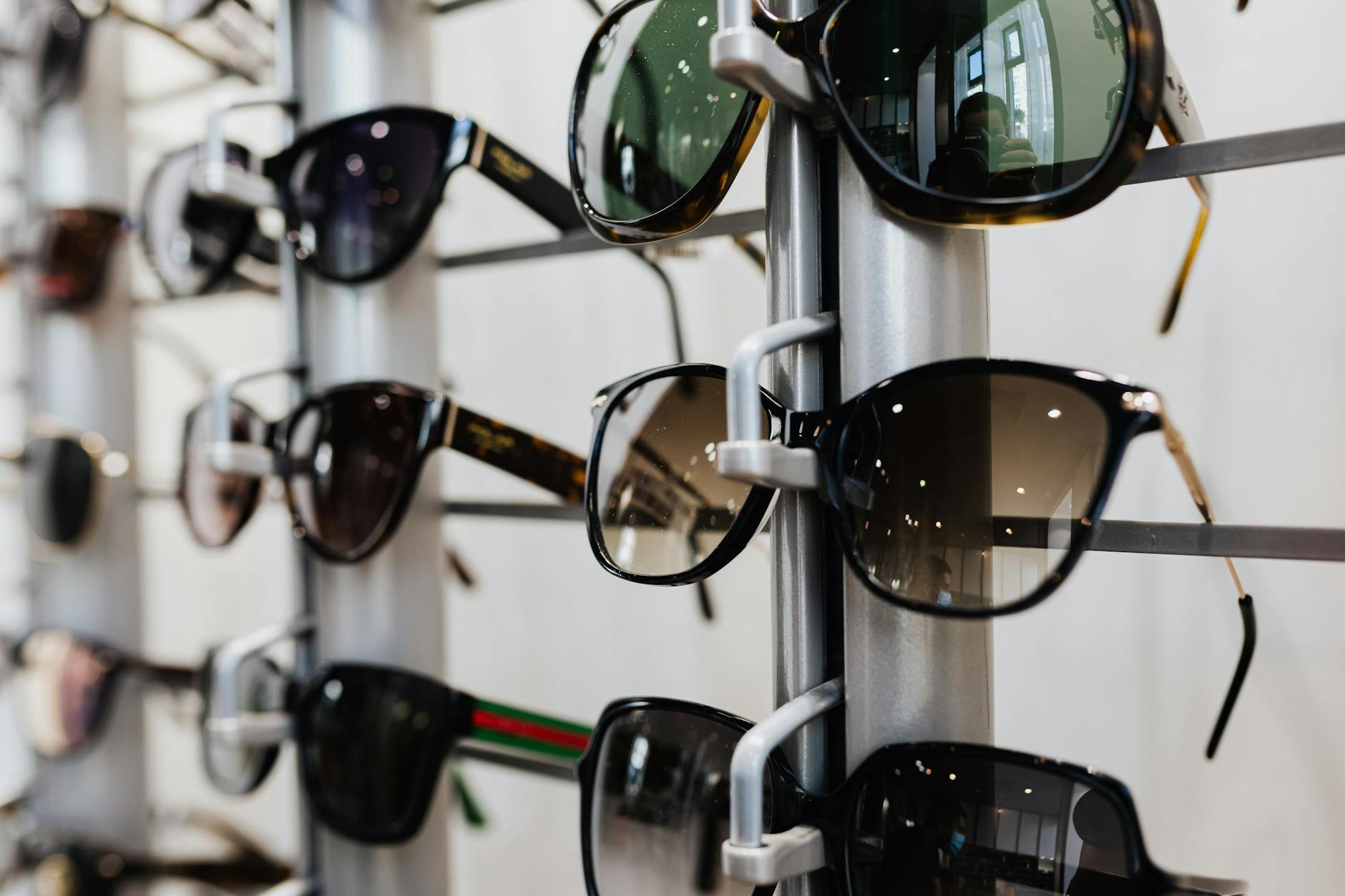
The oversized bug-eye silhouette has replaced the minimalist ’90s aesthetic entirely, with big, rounded frames becoming the dominant trend across luxury and contemporary brands. The Bayonetta Cat-Eye variant—a specifically shaped upswept frame—emerged as the must-have style from spring 2026 onwards. This represents a departure from the flat, narrow frames that dominated 2024 and early 2025, and it matters because finding frames that fit your face shape has become more competitive. If you have a narrower or more angular face, oversized frames can overwhelm your features, making the fit and proportion discussion with an optician essential rather than optional.
Thick acetate frames in cream, bone, and olive soft neutral tones are replacing harsh blacks and dark browns. Designers are also revisiting slimmer 90s-inspired oval shapes as a counterpoint to the oversized trend, creating more variety than existed two years ago. The warning here is that trend adoption affects resale value: a pair of bright Bayonetta frames in 2026 may feel dated by 2028, whereas classic oversized rectangles in black maintain timelessness. Wire-frame circles and rectangles in metal are also trending, particularly among men who prefer minimalist aesthetics or want to distance themselves from the dominant acetate movement.
The Luxury Segment and Investment Potential
For men who view sunglasses as jewelry—an accessory that defines personal style and carries brand prestige—the luxury segment offers genuine differentiation. Persol’s heritage frames, Oliver Peoples’ handcrafted acetate, and Tom Ford’s design direction command $250–$500 because they’ve established consistent aesthetic identities and maintain value across decades. A pair of Persol 714s from 2016 will still command $180–$250 on the secondary market, whereas a pair of equivalent-priced fashion sunglasses from 2016 typically sells for 30% of retail.
Ray-Ban has recently launched frames made from bio-acetate and recycled metals, addressing the sustainability concern that previously limited luxury eyewear’s appeal to environmentally conscious buyers. Lexxola goes further, producing 100% biodegradable bioacetate sunglasses with eco-friendly packaging—a meaningful development for men who want luxury with measurable environmental responsibility. The example here matters: if you’re investing $300+ in sunglasses, the material composition increasingly reflects your values and the brand’s positioning.
Price Ranges and Value Positioning
Budget sunglasses ($15–$80) serve a functional purpose—beach protection, driving backup pairs, or disposable eyewear for travel—but shouldn’t be your primary pair if you wear sunglasses daily. Budget-friendly options at $30–$50 from retailers like Global Shop represent the entry point where optical quality begins to matter. Mid-range sunglasses ($100–$200) from Coach, Fossil, and Michael Kors deliver noticeable improvements in lens clarity, UV protection consistency, and frame durability; this is where most men find their equilibrium between cost and performance.
Premium sunglasses ($200–$400+) from Persol, Oliver Peoples, and luxury brands shift the value proposition from durability to design, heritage, and secondary market value. The tradeoff is explicit: you’re paying for aesthetic positioning and brand recognition alongside optical engineering. A $150 pair of quality sunglasses will protect your eyes as effectively as a $400 pair, but it won’t signal the same design consciousness or deliver the same presale value. For men building a curated luxury wardrobe alongside precious metals and fine jewelry, premium sunglasses function as complementary investments that reflect overall aesthetic sophistication.
Polarization, Protection, and Technical Specifications
Polarization reduces glare by filtering reflected light, making it essential for water sports, boating, or driving along highways. Revo’s NASA-derived polarization technology ranks among the market’s most advanced, explaining its 92/100 rating. However, polarization has a documented limitation: it can interfere with LCD and LED screens on vehicle dashboards and smartphones, creating dark spots or visual distortion. If you frequently switch between outdoor activities and digital device use, standard UV protection without heavy polarization may suit you better than premium polarized options.
All legitimate sunglasses provide UV400 protection (blocking 99–100% of UVA and UVB rays). The distinction between brands lies in lens clarity, coating durability, and how the polarization is implemented. Ray-Ban’s bio-acetate frames combine material innovation with proven optical engineering, addressing both performance and environmental concerns simultaneously. The warning here is that “polarized” isn’t universally better—it’s better for specific activities. A man who primarily drives in urban environments and works indoors may find standard UV protection with good lens tint sufficient, while someone who golfs or fishes will experience genuine benefits from premium polarization.
Emerging Accessory Trends and Styling
Glasses chains have emerged as a significant accessory trend for 2026, providing both functional security and aesthetic intentionality. Previously associated with older wearers or prescription eyeglass users, chains now function as style statements—gold chains on classic frames, leather cords on athletic sunglasses, or minimal metal chains on luxury designs. This trend matters because it signals that sunglasses are now being styled deliberately rather than worn as purely utilitarian objects.
A pair of Persol frames with a subtle gold chain creates an entirely different visual statement than the same frames alone. The styling implications extend beyond chains: how you wear sunglasses—on top of the head, dangling from a shirt collar, in hand when speaking—has become part of personal brand positioning. For men investing in luxury eyewear, these details reinforce the connection between fine accessories and overall aesthetic sophistication. The example is practical: if you’re buying $300+ sunglasses, you’re implicitly committing to styling them intentionally, not just grabbing them from a drawer.
Market Momentum and Future Outlook
The global sunglasses market grew 12% year-over-year, with the fashion luxury segment expanding at 18%—significantly outpacing overall market growth. This acceleration indicates that men are increasingly viewing sunglasses as premium fashion investments rather than commodity products. Industry projections estimate the global market will reach $25.24 billion by 2030, growing at a compound annual rate of 4.2% throughout 2027 and beyond.
This sustained expansion reflects both changing consumer attitudes about eyewear and the continued innovation in optical engineering and sustainable materials. The trajectory suggests that 2026 represents an inflection point: luxury eyewear is transitioning from niche status to mainstream fashion positioning, meaning availability and design variety will only increase. Sustainability will become a competitive necessity rather than a differentiator, as brands like Ray-Ban and Lexxola establish eco-friendly manufacturing as standard. For men purchasing sunglasses today, this market environment means better choices, more diverse aesthetics, and greater confidence that premium frames represent sound long-term investments aligned with both personal style and environmental responsibility.
Conclusion
The best sunglasses for men in 2026 are determined by your specific priorities: Revo delivers uncompromising optical engineering with its 92/100 rating and NASA-derived technology, Ray-Ban combines 88 years of heritage with modern sustainability practices, and luxury brands from Gucci to Tom Ford offer aesthetic differentiation and investment potential. The market has matured to the point where quality options exist across all price ranges, but the sweet spot for most men lies in mid-range and premium segments ($100–$400), where optical consistency meets meaningful design and durability.
Your next step should be trying frames in person to assess fit and proportion against your face shape—particularly important given the current dominance of oversized silhouettes and Bayonetta Cat-Eye styling. Consider your primary use case (water activities, driving, general lifestyle) to determine whether premium polarization justifies the cost, and think about whether you view sunglasses as functional objects or curated accessories that deserve positioning alongside other luxury purchases. With sustainability becoming standard across major brands and the market expanding to $25.24 billion globally by 2030, now is an ideal moment to invest in a quality pair that reflects both your optical needs and your aesthetic values.
Frequently Asked Questions
Is Revo worth the premium over Ray-Ban?
Revo’s 92/100 score and NASA-derived polarization technology justify the premium if you spend significant time near water or driving long distances. Ray-Ban offers better value if heritage, sustainability features, and proven durability matter more than cutting-edge optical engineering.
Do I need polarized sunglasses?
Polarization reduces glare effectively for water sports and highway driving but can interfere with vehicle dashboards and smartphone screens. If you frequently use digital devices outdoors, standard UV protection may suit you better.
What’s the best budget option?
Budget-friendly sunglasses at $30–$50 from Quince and Amazon brands provide adequate UV protection and current styling. Expect a lifespan of 2–3 years before optical coatings degrade compared to 4–6 years for mid-range options.
Are luxury frames worth the investment?
Premium sunglasses ($250–$500) from Persol, Oliver Peoples, and Tom Ford maintain 50–70% secondary market value and deliver superior comfort and design consistency. For men building curated accessory collections, they function as legitimate investments.
What frame style dominates 2026?
Oversized bug-eye frames and Bayonetta Cat-Eye shapes lead the market, with thick acetate frames in cream, bone, and olive tones replacing harsh blacks. Slimmer 90s-inspired ovals remain available for those preferring minimalist aesthetics.
Should I consider sustainability when buying sunglasses?
Ray-Ban’s bio-acetate and recycled metal frames and Lexxola’s 100% biodegradable options now provide environmental responsibility without compromising quality or style—increasingly important as luxury brands incorporate sustainability into standard offerings.