

The difference between budget and expensive watches comes down to materials, craftsmanship, movement precision, and durability over time. A $100 quartz watch from a department store will keep reasonably accurate time and function reliably for several years, but an expensive mechanical watch—say a $5,000 Swiss timepiece—uses superior materials, hand-finishing on internal components, and engineering that allows it to run accurately for decades or even generations. The real question isn’t which is “better,” but which serves your actual needs and values.
For most people checking the time on a daily commute, a budget watch does the job. But if you wear the same watch for 20 years, inherit it, or use it as a tool in demanding conditions, the expensive watch often proves more cost-effective per year of ownership. A $200 watch might need replacement in 5 years; a $2,000 watch might run for 30 years with a single repair. The comparison reveals that price reflects not just aesthetics, but engineering philosophy and material quality.
Table of Contents
- What Makes an Expensive Watch Cost So Much More?
- Material Quality and Longevity in Watch Construction
- Movement Accuracy and Precision Engineering
- Cost Per Year of Ownership and Long-Term Value
- Repair Costs and Serviceability Over Time
- Aesthetics, Design, and Emotional Attachment
- Investment Potential and Resale Value
- Conclusion
What Makes an Expensive Watch Cost So Much More?
An expensive watch contains materials that command higher prices upfront: solid gold, platinum, or high-grade stainless steel rated for professional diving. A $50 fashion watch uses base metal with thin plating that wears through; a $2,000 sports watch uses 316L stainless steel throughout. The movement—the internal mechanism that keeps time—differs dramatically. budget watches use quartz movements, which are mass-produced, battery-powered, and essentially disposable.
Luxury watches typically use mechanical movements that are assembled by hand, with jeweled bearings, escapements adjusted to tight tolerances, and cases that can be serviced decades later. A Rolex Submariner costs around $9,000 because Rolex sources high-purity gold or steel, assembles each movement by a trained watchmaker, tests the watch to exacting standards, and guarantees parts availability for life. A $120 quartz dive watch from a big-box retailer uses the same basic quartz movement as a thousand other brands, with minimal differentiation and no long-term service infrastructure. The expensive watch represents decades of manufacturing expertise and quality control; the budget watch represents efficient mass production.

Material Quality and Longevity in Watch Construction
The material differences between budget and expensive watches are not merely cosmetic—they determine how long the watch actually functions. Budget watches frequently use “plated” precious metals, meaning a thin layer of gold or silver over base metal. This plating wears through in 2-5 years with daily wear, leaving exposed base metal that oxidizes, tarnishes, and eventually corrodes. A $150 gold-plated watch may look elegant in the store, but the plating will visibly wear at the wrists and under the lugs where the bracelet connects. An expensive watch using solid 18k gold or platinum avoids this problem entirely—the material is the same throughout, and it only develops a patina, not deterioration.
The crystal—the lens covering the watch face—illustrates the same principle. Budget watches use acrylic or cheap mineral glass that scratches easily and yellows over time. Expensive watches use sapphire crystal, which is nearly as hard as diamond and resists scratching even after decades of wear. That single component difference means the expensive watch remains legible and clear; the budget watch gradually loses transparency. Additionally, expensive watches use better sealing gaskets and case construction that maintains water resistance over time. A budget watch rated “water resistant” may lose that protection within a few years as the gaskets dry out and shrink.
Movement Accuracy and Precision Engineering
Quartz movements in budget watches keep time accurate to within ±15 seconds per month, which is perfectly adequate for daily life. Mechanical movements in expensive watches typically run ±5 to ±10 seconds per day—meaning they might gain or lose 5 seconds over 24 hours. This seems worse, but it’s not: mechanical watches are regulated individually, and their variation is predictable. you can adjust your mechanical watch to run at a consistent rate. A quartz watch is accurate but passive; a mechanical watch requires engagement and adjustment, but rewards that attention with precision you’ve fine-tuned yourself.
The movement components themselves differ in precision. An expensive mechanical watch uses jeweled bearings—synthetic rubies that reduce friction—and escapements hand-adjusted to operate smoothly. A budget automatic watch might use the same number of jewels, but they’re pressed in quickly by machine, and the escapement is never individually adjusted. The practical difference emerges after 10 years: the expensive watch still runs at its original rate; the budget watch may have drifted or developed a slight tick. High-end watches like Omega or Rolex undergo chronometer certification, meaning they’ve been tested by an independent laboratory to meet strict accuracy standards. Budget watches carry no such guarantee.
Cost Per Year of Ownership and Long-Term Value
Looking purely at mathematics, a budget watch costs $150 and lasts 5 years, for a cost of $30 per year. An expensive watch costs $2,000 and lasts 30 years, for a cost of $66 per year. The math seems to favor the budget option, but it omits the real cost: replacement watches, hassle, and lost sentimental attachment. If you replace the budget watch every five years, that’s six watches purchased over 30 years. Each purchase involves researching models, waiting for delivery, and learning a new interface. The expensive watch, once purchased, becomes so reliable and familiar that you stop thinking about it.
You wear the same watch for decades and forget it’s there. For watches you intend to keep long-term, this becomes crucial. A watch you buy in your 30s might become something you wear into retirement and eventually pass to a child. A $150 budget watch won’t survive that timeline; the movement will fail, the case will corrode, and replacement parts won’t exist. A $2,500 watch has a realistic chance of outlasting you and remaining functional for whoever inherits it. That intergenerational value is something budget watches cannot offer. The expensive watch is amortized not just across your own lifetime, but across multiple owners.
Repair Costs and Serviceability Over Time
This is where budget watches often create a hidden financial trap. If a budget watch movement fails, repair typically costs $80-150, which may exceed the watch’s current resale value. Many repair shops won’t bother fixing quartz movements because it’s often cheaper to buy a new watch than to repair the old one. Consequently, people throw away functional quartz watches because servicing them makes no economic sense. Expensive watches, by contrast, can always be serviced. A Rolex movement from 1980 can still be repaired today because Rolex maintains parts inventories and trained technicians.
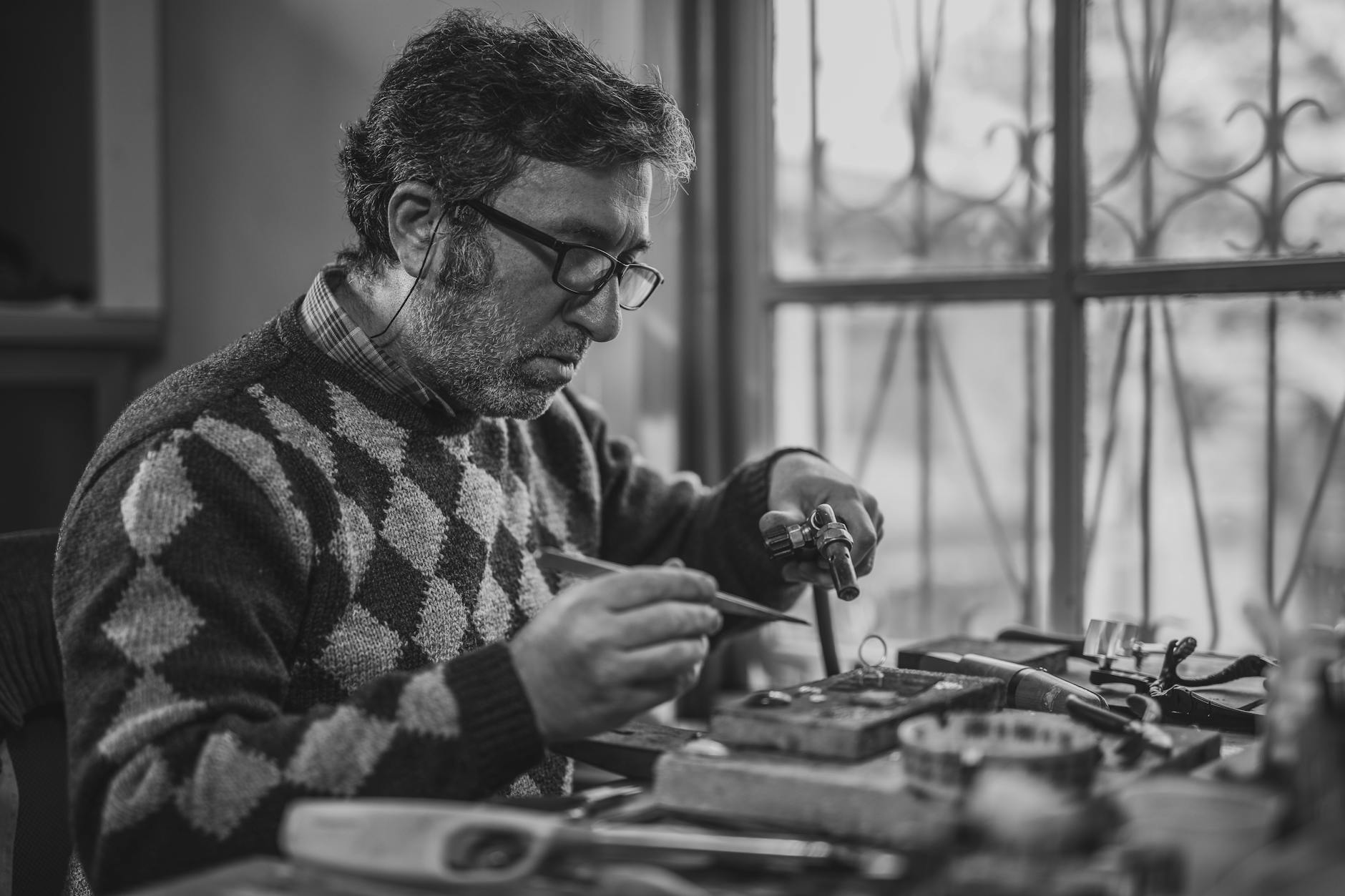
A repair might cost $300-600, but it’s worth doing because the watch itself is worth $1,500-3,000. Mechanical movements in expensive watches require periodic servicing—typically every 3-5 years, costing $200-400 for a complete overhaul. This is a limitation that budget watch owners don’t face: quartz watches need only a battery replacement every few years. However, the servicing of an expensive watch is actually an advantage in disguise. During servicing, a watchmaker disassembles the movement, cleans and lubricated each component, and replaces worn parts. A well-serviced mechanical watch runs better than before. A budget quartz watch accumulates wear and eventually stops working, with no practical recourse except replacement.
Aesthetics, Design, and Emotional Attachment
Budget and expensive watches serve identical time-keeping functions, so aesthetics and emotional connection become primary differentiators. An expensive watch often features elegant proportions, refined finishing, and design details that improve over time. A Cartier Tank watch from 1970 looks elegant today; a fashion watch from 1970 looks dated and crude. Expensive watches are designed to age gracefully, with timeless proportions that don’t depend on trends. Budget watches often chase trends—heavy bezels, oversized cases, novelty colors—that look dated within a few years.
The emotional component of watch ownership matters more than manufacturers acknowledge. A watch you wear every day becomes part of your identity. An expensive watch you bought yourself becomes an accomplishment you wear; an expensive watch inherited becomes a connection to someone you loved. A $50 watch, no matter how functional, never carries that weight. People keep expensive watches because they’re meaningful; they discard budget watches because they’re interchangeable.
Investment Potential and Resale Value
Some people consider watches as investments, though this applies primarily to expensive watches from established brands. A Rolex sports watch bought at retail for $6,000 often sells used for $8,000-12,000 five years later, benefiting from scarcity and brand demand. A vintage Omega or Seiko mechanical watch can actually increase in value as it becomes rarer. Budget watches, by contrast, have no resale value. A $150 watch you bought three years ago won’t sell for $40; you’ll be lucky to give it away.
The depreciation is so severe that resale isn’t worth the effort. This doesn’t mean expensive watches are good investments—many are not, and the watch market is volatile. But it means expensive watches from quality brands retain value, allowing you to recover some cost if you ever sell. This creates a safety net: if you buy a $2,000 watch and later need cash, you can sell it for $1,200-1,500. A budget watch offers no such option. For someone who enjoys watches and sees them as long-term possessions, this residual value matter psychologically, even if you never intend to sell.
Conclusion
The budget versus expensive watch comparison cannot be resolved with a single answer because the two serve different purposes and suit different mindsets. Budget watches excel for people who view watches as disposable tools, want variety without financial commitment, or need a watch for a short-term purpose. Expensive watches excel for people who wear the same watch for decades, value precision and reliability, and see their watch as a companion rather than an accessory.
The expensive watch is more costly upfront, but its cost per year declines with time, and it offers longevity, serviceability, and emotional attachment that budget watches simply cannot match. If you plan to wear the same watch for more than ten years, an expensive watch from a reputable brand almost always proves more satisfying and economical than buying multiple budget watches over the same period. If you replace your watch every few years, a budget watch is the rational choice. The key is understanding your own relationship to watches: Do you see them as replaceable tools, or as long-term investments in quality and reliability? Your answer to that question determines whether the budget or expensive watch is right for you.