

The best caps for men right now reflect a split between accessibility and luxury, with proven performers like the 47 Brand New York Clean Up Hat ($30) and New Era 9Twenty Adjustable Hat ($27) dominating the mainstream market, while premium options like Luca Faloni’s brushed cashmere-and-linen caps cater to those willing to invest in materials and craftsmanship. Whether you’re looking for everyday wear, athletic performance, or a luxury statement piece, the current cap market offers options across every price point and use case. The quality gap between budget and premium caps has narrowed significantly in 2026, though the difference in materials and longevity remains substantial.
What makes a cap genuinely excellent today goes beyond brand recognition. The best models combine breathable construction with durable materials—whether that’s moisture-wicking synthetics for active wear or premium natural fabrics for everyday style. A well-chosen cap handles multiple seasons, resists odors, and maintains its shape after consistent wear. The consensus among menswear experts is clear: investing in the right cap pays dividends in both aesthetics and functionality.
Table of Contents
- What Are the Top Performing Baseball Caps for Men in 2026?
- Performance Fabrics and Materials That Define Quality Caps Today
- Luxury Cap Brands Worth Considering for Premium Investments
- Which Cap Style Should You Choose for Your Lifestyle?
- Common Cap Problems and How to Avoid Them
- The 2026 Material Revolution in Premium Menswear Caps
- Planning Your Cap Wardrobe for Long-Term Satisfaction
- Conclusion
- Frequently Asked Questions
What Are the Top Performing Baseball Caps for Men in 2026?
Baseball caps remain the most versatile head covering for men, and the standouts this year prioritize fit and fabric performance. The New Era 59Fifty ($23) continues as a reliable choice for those seeking a structured, fitted cap with genuine heritage appeal, while the Flexfit Athletic Baseball Fitted Cap ($13) proves that budget options can deliver solid construction and comfort without sacrificing durability. For athletes and those living an active lifestyle, the Adidas Men’s Superlite Hat stands out with its AEROREADY moisture-wicking fabric, which pulls sweat away from the scalp and dries quickly—a feature that becomes essential during summer workouts or outdoor activities.
A practical comparison: the Flexfit cap costs less than half the New Era price point but shares similar polyester construction and adjustability. The real difference emerges after months of regular wear, where the New Era’s reinforced stitching and structured crown hold their shape better. For someone wearing a cap three days a week, either performs admirably. For daily use in varied climates, the AEROREADY technology in the Adidas model justifies the mid-tier pricing by preventing that uncomfortable sweat-band feeling that ruins otherwise good caps.
Performance Fabrics and Materials That Define Quality Caps Today
The materials driving cap innovation in 2026 shift toward sustainability and functionality rather than trends. Organic cotton has moved from niche to mainstream, and brands increasingly pair it with linen for warm-weather options, creating breathable caps that resist odor retention—a major limitation of synthetic fabrics. The Carhartt Canvas Cap exemplifies this shift with its Force sweatband technology that actively wicks moisture while fighting bacterial odor growth, transforming a simple functional feature into a substantial quality marker.
A crucial limitation to understand: premium natural fibers require more maintenance than synthetics. A linen-blend cap from Luca Faloni demands careful cleaning and occasional shaping, whereas a polyester Flexfit cap tolerates machine washing and regular wear without degradation. This maintenance trade-off matters significantly if you’re juggling multiple caps or traveling frequently. The MISSION Cooling Hat (rated 9.5/10 for cooling performance) splits this difference with engineered cooling fabric that performs like synthetic athletic wear while maintaining a more natural aesthetic than pure performance fabrics.
Luxury Cap Brands Worth Considering for Premium Investments
For those treating a cap as a wardrobe investment rather than disposable headwear, Parisian brand A.P.C. and Italian maker Luca Faloni represent the current gold standard. A.P.C. offers baseball caps in classic cotton twill alongside more textured options like cord and suede, giving luxury caps genuine visual interest that extends beyond price. Luca Faloni’s six-panel cap in brushed cashmere and durable linen represents the pinnacle of material exclusivity—a piece designed for collectors who understand that superior materials feel distinctly different after the first wear.
The practical reality of luxury caps: they don’t perform measurably better at basic functions like sun protection or sweat management. What they deliver is tactile quality and longevity. A Luca Faloni cap will retain its shape, color, and soft hand after five years of regular wear in ways that budget options cannot replicate. The cashmere construction resists the matting and degradation that plagues cheaper blends, while the Italian manufacturing ensures seam consistency throughout. This matters if you define a good cap as something that appreciates in your wardrobe rather than something to rotate out annually.
Which Cap Style Should You Choose for Your Lifestyle?
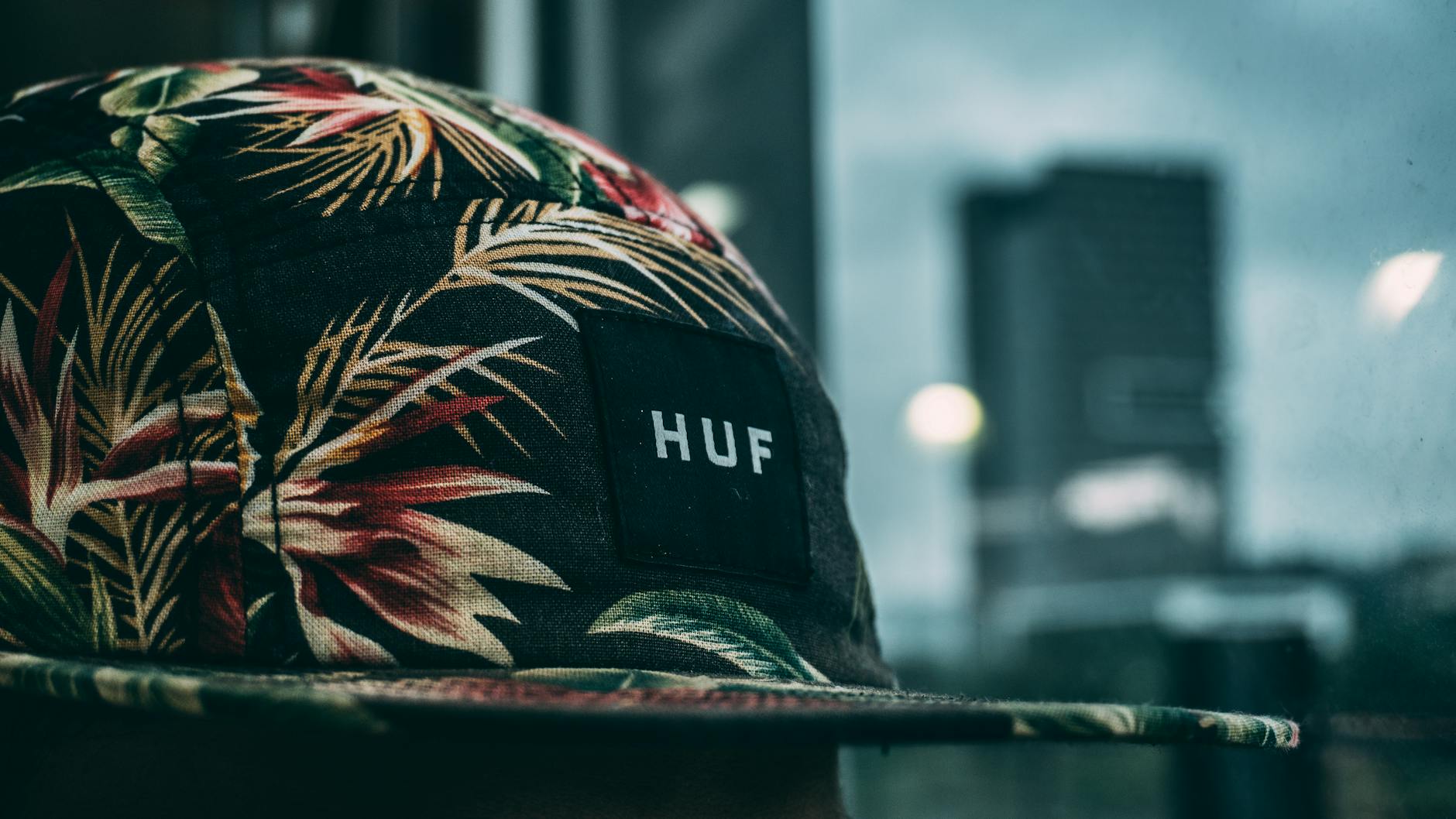
The trending cap styles in 2026 extend well beyond baseball caps, offering unexpected versatility. The flat cap and newsboy cap provide structured sophistication for dressier casual looks, while bucket hats offer contemporary streetwear appeal. Panama hats excel for warm climates and outdoor occasions, though they require specific care to prevent damage. For most men balancing professional life with casual wear, a quality baseball cap remains the most pragmatic choice—it bridges casual and smart-casual effortlessly where a fedora or pork pie hat requires specific styling context.
Your lifestyle determines which type justifies investment. If you commute, exercise, and spend weekends outdoors, a cap emphasizing performance (Adidas AEROREADY, MISSION Cooling) outweighs aesthetic luxury. If you’re primarily outdoors in warm seasons and value appearance equally with function, the breathable linen blends from established brands offer better satisfaction. The critical tradeoff: structured caps like the New Era 59Fifty maintain visual impact but require conscious styling, while unstructured alternatives like the Carhartt canvas blend into more outfits while feeling less intentional as a style statement.
Common Cap Problems and How to Avoid Them
The most frequent cap failure is structural collapse around the crown and bill—a problem affecting particularly cheap caps and those stored improperly. Baseball caps should never be stuffed into bags or crammed onto shelves; they require support to maintain their shape. Higher-quality caps include reinforced crown construction that resists this collapse, making the investment justified purely from a longevity perspective. The Carhartt Force sweatband, while primarily designed for moisture management, also contributes to structural integrity by maintaining consistent tension in the band.
Another hidden limitation: synthetic materials degrade under direct UV exposure more rapidly than their promise suggests. A polyester cap left in a car for extended periods can fade or become brittle within a season. Premium natural fabrics resist UV damage more effectively, though linen requires sunscreen-like attention to prevent color shifts. The MISSION Cooling Hat’s engineered fabric splits this weakness—it resists UV degradation better than basic synthetics but requires the same care as breathable blends. Understanding these failure modes helps explain why certain caps become rotation staples while others disappear into the back of a closet.

The 2026 Material Revolution in Premium Menswear Caps
marks a noticeable shift toward eco-friendly fabrics and sustainable sourcing in cap manufacturing. High-quality leather accents appear on premium models, offering durability and aesthetic refinement impossible with synthetic materials. Brushed cashmere, as featured in Luca Faloni’s offering, remains rare in cap construction—most menswear focuses cashmere on sweaters and scarves where larger surface areas justify the expense.
The appearance of premium materials in caps reflects broader menswear recognition that headwear deserves the same material investment as footwear or outerwear. This material revolution creates opportunity for intentional purchasing. Rather than cycling through multiple cheap caps, building a curated collection of three to four quality pieces in different styles and materials provides better coverage and satisfaction. A structured New Era for classic looks, an unstructured Carhartt for casual wear, and a linen blend for warm months gives genuine versatility without the closet clutter of impulse purchases.
Planning Your Cap Wardrobe for Long-Term Satisfaction
Building a functional cap collection requires thinking beyond immediate needs. The current market provides unusual depth across price points, allowing honest assessment of what you’ll genuinely wear repeatedly. Starting with a single well-constructed cap in your preferred style clarifies whether you’re building around baseball caps or exploring structured hats like flat caps and fedoras.
Most men find their answer within two or three purchases—after that, additions are refinements rather than foundational choices. Looking forward, the cap market will likely continue emphasizing performance fabrics and sustainable materials, making 2026 a relatively stable moment for investment decisions. The caps that perform well now will remain relevant because they’re solving genuine functional needs rather than chasing aesthetic trends. This stability differs markedly from fashion cycles where last season’s preferred style becomes dated; a quality cap from 2026 serves equivalently in 2027 and beyond.
Conclusion
The best caps for men right now balance accessible pricing with genuine quality, offering entry points at $13 with the Flexfit Athletic Cap while providing luxury investment opportunities with Luca Faloni and A.P.C. for those prepared to commit to premium materials and construction.
The decision between budget and luxury caps reflects your actual usage patterns and wardrobe philosophy rather than an objective quality hierarchy—a $30 cap worn daily may deliver more value than a $200 luxury piece rotated occasionally. Start by identifying your primary use case: active wear demands moisture-wicking performance, everyday casual wear benefits from structural quality and versatile aesthetics, and style-conscious wardrobe building justifies investment in premium materials and construction. Purchase accordingly, invest in proper storage and care, and your cap collection will evolve into a reliable element of your personal style rather than a constant source of replacement frustration.
Frequently Asked Questions
What’s the difference between a fitted cap and an adjustable cap?
Fitted caps come in discrete sizes and provide a more tailored appearance with superior structural integrity, while adjustable caps offer sizing flexibility and ease of care. New Era makes both types—the 59Fifty is fitted, while the 9Twenty adjusts. Choose fitted caps for style-conscious wear and adjustable caps for active use and convenience.
Do expensive caps really last longer?
Generally yes, but with important caveats. A $200 Luca Faloni cap will outlast a $13 Flexfit cap by several years under normal wear, but both will eventually decline. The better question is cost-per-wear: a cap you wear 500 times over five years costs $0.40 per wear regardless of initial price. Luxury caps justify investment through superior tactile quality and longer serviceability life.
How often should you wash a cap?
Spot cleaning (damp cloth for visible spots) extends time between washes for caps worn actively. Full washing every 4-6 weeks works for daily wear. Check manufacturer guidelines before machine washing—synthetic caps tolerate aggressive washing better than premium natural fabrics, which benefit from hand washing in cool water.
What’s the best cap style for most men?
The baseball cap remains the most versatile, working across casual and smart-casual contexts. If you prioritize dressier aesthetics, explore flat caps and newsboy caps, though they require more specific styling consideration.
Are luxury caps worth the investment for active wear?
Generally no. Performance demands (moisture-wicking, odor resistance, durability under sweat) are better served by mid-tier athletic-focused caps like the Adidas Superlite. Luxury fabrics don’t enhance athletic performance and risk damage from the conditions that destroy cheaper caps quickly.
How do you store caps to prevent shape damage?
Use cap boxes or invest in a wall-mounted storage solution that supports the crown. Never compress caps in drawers or stuff them into bags. Proper storage extends the life of quality caps by years and maintains their aesthetic appeal.