

Picking the right hat starts with understanding your face shape, lifestyle, and the occasions you’ll wear it for. A well-chosen hat should enhance your features, complement your existing accessories and wardrobe, and feel comfortable enough to wear regularly without adjustment. If you have an angular face and primarily attend formal events, a structured felt fedora with a silk band will serve you better than a casual canvas baseball cap—it simply suits the context and your proportions in a way that elevates your overall presentation.
The luxury hat market offers surprising depth once you move beyond basic categories. The difference between a generic hat and one that coordinates seamlessly with fine jewelry or precious metal accessories comes down to material quality, proportions, and construction details. A hat made from premium rabbit hair felt, for instance, will hold its shape longer than cheaper alternatives, maintains its visual appeal even in variable weather, and actually becomes more refined-looking with age—much like how leather accessories develop character over time.
Table of Contents
- What Quality Markers Should You Look For in Luxury Hats?
- Understanding Materials and Construction in Fine Hats
- How Hat Style Complements Your Jewelry Collection
- Practical Guidelines for Selecting the Perfect Hat
- Common Pitfalls When Investing in Quality Hats
- Caring for Your Fine Hat Investment
- The Evolution of Hat Craftsmanship in Luxury Fashion
- Conclusion
- Frequently Asked Questions
What Quality Markers Should You Look For in Luxury Hats?
Premium hat construction relies on specific material choices and manufacturing techniques that directly affect longevity and appearance. Look for hats made from 100% rabbit or beaver felt rather than blends, as these materials provide superior density and structure. The lining should be silk or satin rather than cotton; these materials reduce friction against your hair and skin, preventing the damage that causes premature hat deterioration. Quality millinery also includes hand-finished sweatbands and interior reinforcement that keeps the hat’s shape intact through storage and repeated wear.
The difference between a $40 hat and a $400 hat becomes immediately obvious in how they respond to humidity and handling. A luxury hat maintains its crown shape even when compressed, while cheaper alternatives develop permanent creases and sag. When examining a potential purchase, run your fingers along the interior brim—you should feel a smooth, continuous binding without gaps or uneven stitching. Check that the ribbon band is securely attached; this is often where lower-quality hats fail first, as the band becomes loose and creates an unflattering gap between hat and head.

Understanding Materials and Construction in Fine Hats
Felt, straw, and leather are the primary materials in luxury hat-making, each with distinct advantages and limitations. Felt hats perform best in cooler climates and provide excellent structure for formal styles like fedoras and cloches. Straw hats, typically made from Panama, Tagliapaglia, or horsehair, offer breathability for warm months but require careful storage to prevent brittleness in dry climates. Leather accents—such as bands, interior sweatbands, or entire crown construction—add durability but demand regular conditioning to prevent cracking.
One important limitation: no luxury hat material is completely weather-proof. Prolonged exposure to rain will eventually compromise even premium felt, though a quality hat will still perform better than cheaper alternatives. If you live in a wet climate and need year-round hat wear, plan on owning multiple pieces suited to different seasons, similar to how you’d maintain separate watches or jewelry pieces for different occasions. Beaver and rabbit felt provide the best water resistance of natural materials, but they still benefit from proper storage in a breathable hat box away from direct sunlight, which will fade the color over time.
How Hat Style Complements Your Jewelry Collection
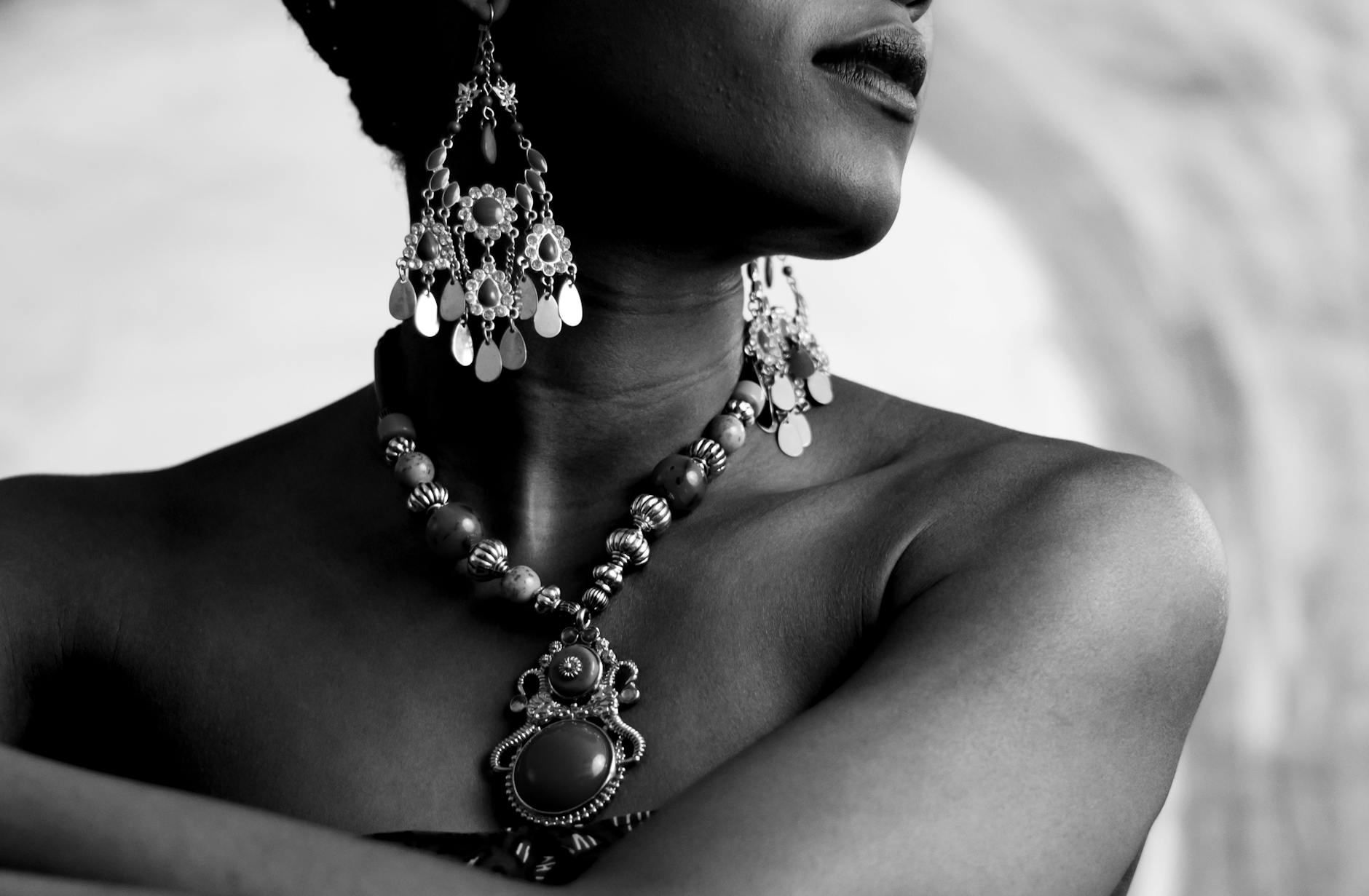
A hat’s visual weight should balance with any significant jewelry you wear. If you favor statement earrings, necklaces, or multiple rings, avoid overly ornate hat styles with excessive banding, feathers, or metallic accents—these create visual competition rather than complement. A woman wearing a substantial gold collar necklace looks more refined in a simple, structured felt hat than in a hat decorated with crystals or elaborate trim. Conversely, a minimalist jewelry approach pairs beautifully with textured hats or those featuring interesting banding.
Consider the metallic tones in your primary jewelry collection when selecting hat colors and accent materials. Warm-toned metallics like yellow gold and rose gold coordinate best with warmer hat colors: camel, cream, rich brown, and burgundy. Cool-toned metals like silver and platinum work across a broader palette but particularly shine with charcoal, black, navy, and cool grays. If your hat includes metal accents—such as a gold chain or silver brooch pin—these should align with your jewelry metals to create a cohesive presentation rather than an accidental clash.
Practical Guidelines for Selecting the Perfect Hat
Start by identifying your face shape: round, oval, square, or heart-shaped faces each suit different hat styles and brims. Round faces benefit from hats with height and angular lines, such as fedoras or structured cloches, which elongate the face. Square faces work well with softer, curved styles like cloches or bucket hats that soften angular features. Oval faces are the most versatile and typically suit nearly any style, though structured hats with moderate brim width tend to be most flattering. Heart-shaped faces typically look best in wider-brimmed styles that balance a narrower chin and broader forehead.
Your lifestyle and regular activities should strongly influence your purchase. If you spend significant time outdoors in sun, a brim width of at least 2.5 inches provides meaningful sun protection—anything narrower is primarily aesthetic rather than functional. If you drive frequently, avoid very wide brims that interfere with visibility or require constant adjustment. If you attend formal events regularly, invest in at least one structured dressy hat as a foundation piece, then add more casual styles as your collection grows. This prevents over-purchasing and ensures you’re buying hats you’ll actually wear rather than aspirational pieces that sit in storage.
Common Pitfalls When Investing in Quality Hats
Buying a hat based solely on how it looks on a mannequin in a shop window is a frequent mistake; store lighting and professional display styling create an unrealistic expectation of how the hat will look on you in daily life. Always try the hat on, spend a few minutes wearing it while moving around the store, and check how it looks from all angles in natural light if possible. A hat that feels slightly loose in the shop will actually be too large within days once the sweatband naturally relaxes slightly with wear.
Another limitation to understand: your head shape and size may not align with standard sizing categories. Even within “medium” sizing, individual variation is significant, and a hat that fits perfectly when purchased new may shift slightly after a few wearings as the material settles. Quality millinery retailers usually offer some adjustment flexibility through professional resizing, but this service has limits—a hat that’s more than a half-size off from your actual measurement is often not salvageable. This is why trying hats on before purchase, even when buying from established luxury retailers, remains essential despite today’s convenient online options.
Caring for Your Fine Hat Investment
Proper storage directly extends hat lifespan and prevents the damage that makes even luxury pieces look neglected. Always use a hat box rather than storing hats in closets where they compress; hat boxes maintain shape and protect from dust and light exposure. Inside the box, stuff the crown loosely with acid-free tissue paper to help it maintain form. Store hats in a cool, dry location away from direct sunlight, which fades color, and away from heating vents or excessive humidity, which can warp structure or encourage mildew.
Cleaning should match the specific material. Felt hats can be gently brushed with a soft-bristled hat brush to remove surface dust and restore nap; this is typically all that’s needed for regular maintenance. For straw hats, a slightly damp cloth removes dust without damaging the weave. If your hat experiences stains or significant soiling, professional cleaning services exist, though they’re relatively expensive and should only be used when necessary. The $8 annual investment in a quality hat box and proper storage will preserve a $300 hat far better than attempting to save money through improper storage.
The Evolution of Hat Craftsmanship in Luxury Fashion
Hat-making remains one of the few fashion domains where handcraftsmanship and industrial production coexist, with luxury brands increasingly emphasizing the hand-blocking and hand-finishing techniques that defined millinery for centuries. Haute couture millinery, particularly in Paris and London, continues to produce individually crafted pieces using methods largely unchanged since the 1920s. This traditional approach demands significantly higher prices than contemporary factory production but yields hats of remarkable durability and individual character—much like how artisan jewelry and watches command premiums over mass production.
The contemporary hat market shows growing appreciation for quality craftsmanship, with younger consumers increasingly drawn to vintage and heirloom-quality pieces that develop patina rather than disposable fashion. This shift parallels broader luxury market movements toward durable goods and ethical production, suggesting that investing in one truly excellent hat over several mediocre ones aligns with both aesthetic and practical values. As with precious metals and fine jewelry, the true economy of luxury hats lies not in their purchase price but in their lifespan value and the consistent visual elevation they provide to your personal presentation.
Conclusion
Choosing the right hat requires balancing face shape, lifestyle demands, color coordination with your existing jewelry and wardrobe, and material quality that ensures the piece will serve you for years rather than seasons. The distinction between a forgettable hat and one you’ll genuinely enjoy wearing comes down to thoughtful consideration before purchase—trying on multiple options, examining construction details, and assessing how the hat complements your broader aesthetic rather than standing alone.
A well-chosen hat becomes part of your visual identity in the same way signature jewelry pieces do, a detail that refined observers notice and appreciate. Start your hat collection with classic, versatile pieces in neutral tones that coordinate with your existing accessories, then expand into statement colors or styles once you understand your preferences and face-flattering proportions. Treat hat investment with the same care you’d apply to acquiring any significant accessory—budget appropriately for quality materials and construction, plan for proper care and storage, and recognize that a luxury hat’s true value emerges through consistent wear over years, not through seasonal rotation.
Frequently Asked Questions
What’s the actual difference between a hat called “premium felt” and one made with standard felt?
Premium felt (rabbit or beaver at 100%) has higher density, holds its shape longer, resists weather better, and develops a refined appearance with age. Standard felt blends use cheaper materials that degrade faster and sag more easily. The price difference is substantial at purchase but economical long-term since premium hats often outlast multiple cheap alternatives.
How often should I wear a hat before I can confidently decide if it was the right purchase?
Spend at least 2-3 weeks wearing the hat regularly in the situations it was designed for. This allows the sweatband to adjust to your head size, gives you experience with how it feels in motion, and lets you assess whether the style actually suits your daily life. Immediate impressions from trying on in a shop aren’t reliable predictors.
Can I resize a luxury hat if it doesn’t fit quite right?
Limited resizing is possible through professional millinery services—typically adjusting by a half-size. Professional resizing can be expensive and won’t fix hats that are significantly off-size. This is why trying before purchase, when possible, saves expense and frustration later.
Should my hat colors match my jewelry metals or my outfit colors?
Prioritize matching your primary jewelry metals (yellow gold, platinum, rose gold, etc.), as jewelry is typically more permanent in your aesthetic choices than specific outfits. A hat that coordinates with your jewelry metals but clashes slightly with a particular outfit day is still appropriate; a hat that coordinates with an outfit but mismatches your jewelry looks accidental.
What’s the best way to clean a hat at home without professional services?
Use a soft-bristled hat brush for felt (gentle, light strokes to restore nap) and a slightly dampened soft cloth for straw. Avoid aggressive scrubbing or submersion in water. For stubborn stains or delicate materials, professional cleaning is safer than risking damage that costs more to repair than the cleaning would have.
How should I store hats between seasons?
Use acid-free hat boxes to prevent compression and dust damage. Stuff the crown with acid-free tissue to maintain shape. Store in a cool, dry location away from direct sunlight, heating vents, and humidity sources. This simple approach typically preserves hats for decades.