

The best sweatpants for men in 2026 are those that balance comfort with intentional tailoring—pieces that work for a morning jog, a Zoom call, and an evening out without requiring a wardrobe change. The standouts right now are the Vuori Kore Jogger at $98 for its exceptional sweat-wicking and quick-dry properties, the Municipal Training Camp Joggers at $88 for overall durability and fit, and the Reigning Champ Midweight Terry at $118 for luxury-level construction. What unites these top performers is a move away from the oversized, shapeless silhouettes that defined early 2020s loungewear toward intentional, tapered cuts that actually complement your frame. The sweatpants market has fundamentally shifted. What was once casual athleisure has become a lifestyle category, with the global joggers and sweatpants market valued at $12.5 billion in 2023 and projected to reach $19.3 billion by 2032.
This isn’t just growth for growth’s sake—it reflects genuine demand for pieces that serve multiple purposes in modern life. The rise of hybrid work, the normalization of athletic wear in social settings, and increasing consumer interest in quality basics have converged to make sweatpants a wardrobe essential worth investing in properly. If you’re shopping now, you should know that fit matters more than ever before. The baggy, grey, oversized aesthetic that dominated the early pandemic era has given way to silhouettes with subtle tapering and intentional proportions. This means many men can finally stop viewing sweatpants as purely invisible loungewear and start seeing them as actual clothing items that contribute to their overall appearance.
Table of Contents
- Which Sweatpants Fit the Modern Man’s Lifestyle?
- Material and Performance Features That Actually Matter
- The Sustainability Shift in Sweatpants Construction
- Budget Tiers and What You Actually Get at Each Price Point
- Common Fit Mistakes and How to Avoid Them
- Styling Sweatpants as Actual Clothing
- Market Trends and What’s Next for Sweatpants
- Conclusion
Which Sweatpants Fit the Modern Man’s Lifestyle?
The contemporary sweatpants market has segmented into clear categories, and knowing which one fits your life is crucial. Performance joggers—designed for actual athletic use with moisture-wicking fabrics and ergonomic cuts—have surged in popularity, with search trends showing a 20% year-over-year increase. Meanwhile, commuter-lifestyle sweatpants represent a newer category: pieces designed to transition seamlessly between a bike ride, a video call, and dinner without requiring you to change clothes. This hybrid approach is reshaping what manufacturers prioritize in their designs. The Municipal Training Camp Joggers exemplify this evolution.
Originally designed for actual athletic training, they’ve become popular precisely because they work in multiple contexts. The fit is tapered but not skinny, the fabric breathes without being paper-thin, and the styling reads as intentional rather than “I’m just wearing workout gear.” At $88, they’re mid-range pricing that reflects quality construction without luxury markup. Compare this to Champion’s classic sweatpants at $45, which deliver a genuinely vintage aesthetic but sacrifice the modern tailoring that makes contemporary sweatpants wearable beyond the house. One limitation worth acknowledging: the shift toward tapered fits means you need to get sizing right. A pair of Vuori Kore Joggers that fits well at your true size will look intentional; a half-size too large and you’re back to the baggy silhouette everyone moved away from. This is actually an advantage if it pushes you toward trying things on rather than ordering blindly, but it does mean the flexibility that older sweatpants offered is partly gone.
Material and Performance Features That Actually Matter
What separates the $45 sweatpants from the $118 pair isn’t always obvious by looking, but you’ll notice it immediately when wearing them. The Vuori Kore Jogger’s sweat-wicking and quick-dry properties make a tangible difference if you’re actually moving around in them. The fabric stays fresh longer, doesn’t cling when you’re warm, and dries quickly if you wash them mid-week. Reigning Champ’s midweight terry uses a thicker, more structured fabric that holds its shape through dozens of washes rather than slouching out after a few months. Premium sweatpants increasingly prioritize odor-resistant properties, a feature that sounds minor until you realize it means you can get more wear from fewer pairs.
budget options like Russell Athletic Dri-Power at around $16 will technically work, but they’ll require more frequent washing and won’t maintain their shape as well. The fabric weight matters too: lightweight options are great for warmer months or layering, but they tend to pill and wear through faster than their heavier counterparts. One warning about material marketing: not all “performance” fabrics deliver what they promise. Some moisture-wicking claims are overstated, and fabrics that feel silky soft in the store sometimes feel uncomfortably clingy once you start moving. The safest approach is checking actual reviews from people who’ve worn the item for weeks, not just initial impressions. Premium options like Alo Chill at $118 have typically been tested and refined enough that you can trust the specifications, whereas ultra-budget alternatives sometimes disappoint after the novelty of newness wears off.
The Sustainability Shift in Sweatpants Construction
The sweatpants market is experiencing a quiet but significant evolution toward sustainability. The grey sweatpants trend—historically the category’s backbone—is increasingly defined by eco-conscious construction: recycled fibers, reduced water usage in manufacturing, and deadstock utilization. This isn’t purely aesthetic preference; it reflects genuine consumer demand, particularly among younger buyers who factor environmental impact into purchasing decisions. Brands are responding by offering transparency about materials and manufacturing. Reigning Champ, for instance, focuses on quality and longevity as a sustainability strategy—a well-made pair you’ll wear for years produces less waste than multiple cheaper pairs that fall apart.
This aligns with the broader shift in luxury loungewear, where investment in durability is becoming a marker of sophistication rather than indulgence. You’re essentially choosing between fast-fashion sweatpants that cost less upfront but require replacement, or quality options that cost more initially but provide better value over time. The limitation here is that genuinely sustainable sweatpants often cost more. The Russell Athletic option at $16 won’t prioritize environmental impact in its production. If sustainability matters to you, expect to spend at least $45-60 for options that actually implement eco-friendly practices. It’s a meaningful consideration, but it’s worth recognizing as a values-driven decision rather than a pure performance advantage.

Budget Tiers and What You Actually Get at Each Price Point
The sweatpants market breaks down into roughly five price tiers, each serving different needs. At $16, Russell Athletic Dri-Power delivers basic functionality—it’s sweatpants, it won’t embarrass you around the house, and you’re not devastated if something happens to them. At $45, Champion sweatpants add a vintage aesthetic and brushed fleece lining that actually feels nice against your skin. This is genuinely good value if you want that classic, slightly retro look. The $88-98 range—where Municipal Training Camp and Vuori live—represents the sweet spot for most men.
You’re getting thoughtful design, quality fabrics that perform well, and pieces that read as intentional rather than purely casual. At $118 and above, Reigning Champ and Alo represent luxury loungewear: elevated materials, meticulous construction, and styling details that matter if you actually care about the look of your sweatpants. The difference between $98 and $118 isn’t always massive in practical terms, but the design confidence and material quality are noticeably superior. One comparison worth making: spending $118 on a single excellent pair of sweatpants that you’ll wear regularly makes more sense than buying five $24 pairs that need replacing within a year. This math shifts if you’re primarily wearing sweatpants for sleeping or house wear—in that context, the $45-60 range likely serves you fine. But if sweatpants are part of your actual wardrobe rotation and you’ll be seen in public wearing them, the investment in $88-118 options pays dividends in longevity and appearance.
Common Fit Mistakes and How to Avoid Them
The single most common error men make when shopping for modern sweatpants is oversizing. The old instinct—go a size up for comfort—completely backfires with tapered cuts. A pair of Vuori Kore Joggers that’s a size too large will sit awkwardly at your hips and stack at your ankles in a way that looks dated rather than comfortable. The modern fit actually requires your true size or sometimes even a size down if you prefer a more precise silhouette. Length is another area where many men stumble. Contemporary sweatpants should hit just at your heel or with a very slight break—maybe a half-inch of fabric resting on your shoe.
If you’re seeing a significant pool of fabric at your ankles, you’ve either sized up too far or chosen a cut that’s too long. This matters because length and fit together determine whether sweatpants look intentional or sloppy. The Municipal Training Camp Joggers are particularly good for this because they’re designed with proportion in mind; assuming you get your true size, they’ll hit correctly without requiring tailoring. A warning about washing: sweatpants shrink, sometimes substantially if you’re not careful. Buying a pair that’s slightly loose thinking you’ll shrink into it is a trap; you’ll more likely end up with pants that fit weirdly or develop an odd silhouette. Machine washing in cold water and air drying extends the life of quality sweatpants and minimizes shrinkage. If you’re buying budget options, expect more variation in how they shrink; premium options are typically engineered to maintain their proportions through normal washing.

Styling Sweatpants as Actual Clothing
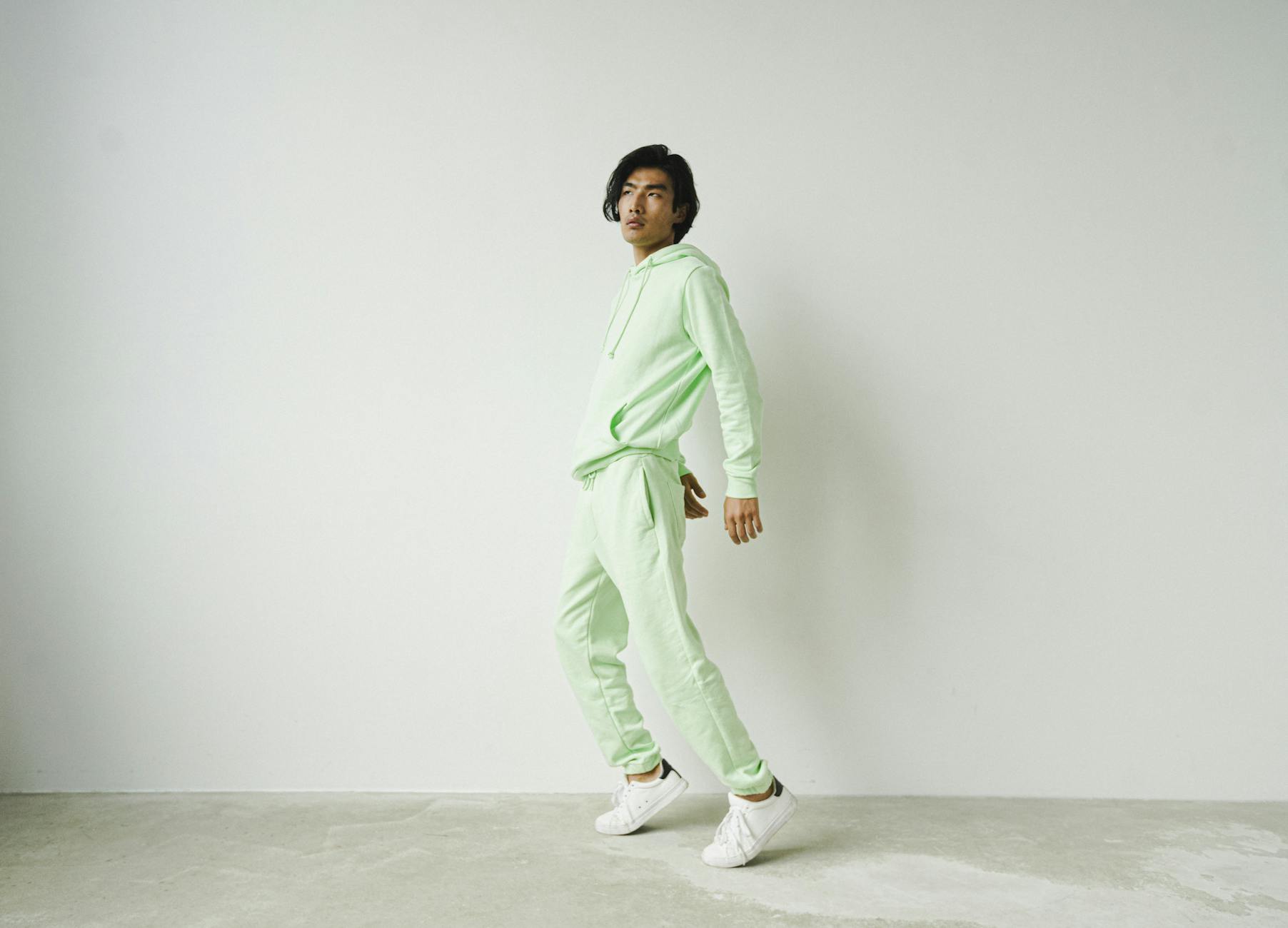
The evolution of sweatpants into legitimate clothing means they now demand styling consideration rather than the old “I’m just wearing these because I’m not leaving the house” approach. The tapered silhouettes and quality fabrics of pieces like Reigning Champ or Alo Chill actually reward thoughtful styling: a fitted long-sleeve tee, a quality sneaker or casual leather shoe, and a structured overshirt transforms sweatpants into something genuinely wearable for public activities. The risk is overthinking it.
Sweatpants work because they’re comfortable and casual; lean into that. Pairing them with an oversized shirt, a cardigan, or a utility jacket keeps them approachable. The Vuori Kore Jogger specifically pairs well with both athleisure styling and more casual dressy looks because the fit is tailored enough to read as intentional but comfortable enough to remain fundamentally athletic. Champion’s more classic silhouette works better in retro or vintage-inspired outfits where the slightly baggier cut is actually thematic.
Market Trends and What’s Next for Sweatpants
The global athleisure market is projected to exceed $920 billion by 2030, and sweatpants represent one of its core categories. This continued growth reflects a genuine shift in how people view comfort clothing—not as a temporary work-from-home solution but as a permanent category in modern wardrobes. The continued interest in commuter-lifestyle pieces suggests that functionality and versatility will remain central to product development.
One emerging trend worth watching is the increasing focus on luxury loungewear brands. The gap between athletic performance and fashion-forward construction is narrowing. Brands like Alo are demonstrating that sweatpants can be both comfortable and genuinely fashionable, which is opening the category beyond traditional athletic wear companies. Expect continued innovation in sustainable materials and hybrid functionality—pieces designed specifically for that bike-to-meeting-to-dinner lifestyle that defines contemporary work and social life.
Conclusion
The best sweatpants for men right now aren’t a single answer—they’re the pair that fits your budget and actually matches your lifestyle. If you’re looking for true quality, the Vuori Kore Jogger at $98 and the Municipal Training Camp Joggers at $88 represent exceptional value in the mid-range, while Reigning Champ at $118 offers luxury construction for men who care about details. What matters most is getting the fit right—modern sweatpants require your true size, not a size up—and understanding that tapered cuts and intentional styling are now the baseline expectation.
The fundamental lesson is that sweatpants have evolved. They’re no longer invisible loungewear—they’re wardrobe pieces that deserve the same consideration you’d give to any other pants. Whether you’re prioritizing performance, sustainability, versatility, or pure luxury, the market now offers legitimate options at multiple price points. The key is understanding what you actually need them for and then committing to quality at the appropriate level rather than cycling through cheaper options that won’t hold up to regular wear.