

Most people buying luxury jackets—particularly those investing in premium leather, cashmere, or designer pieces—make critical mistakes that undermine both their appearance and their investment. The most common error is neglecting to consider how a jacket interacts with jewelry, accessories, and overall styling. A $2,000 leather jacket paired carelessly with ill-fitting jewelry or worn without proper care can look cheap and deteriorate rapidly, while the same piece styled intentionally and maintained properly can appreciate in value and serve you for decades.
The second major mistake is purchasing jackets without understanding their specific material requirements and seasonal limitations. Buyers often assume one quality jacket can do everything—serve as everyday wear, formal outerwear, and investment piece simultaneously—when in reality, different jacket styles demand different care protocols and have distinct purposes. Understanding these distinctions separates people who get genuine long-term value from their purchases from those who end up with expensive closet failures.
Table of Contents
- Are You Buying the Wrong Type of Jacket for Your Lifestyle?
- Ignoring Material-Specific Care Creates Hidden Damage
- Oversizing and Fit Mistakes Destroy the Entire Investment
- Failing to Invest in Professional Tailoring and Adjustments
- Underestimating the Importance of Storage and Environmental Control
- Wearing Jackets During Inappropriate Seasons or Weather
- Neglecting to Understand Resale Value and Investment Appreciation
- Conclusion
Are You Buying the Wrong Type of Jacket for Your Lifestyle?
Most luxury jacket purchases fail because buyers choose based on aesthetics alone, ignoring how the piece actually fits into their daily life. A hand-stitched Italian leather moto jacket looks spectacular in photos but becomes impractical if you live in a wet climate and lack the discipline to condition it regularly. Similarly, a structured wool blazer demands tailoring, dry cleaning, and careful storage—costs that extend well beyond the original purchase price. The mistake here is underestimating the total cost of ownership.
A $1,500 cashmere jacket requires professional dry cleaning (averaging $25-50 per visit), proper cedar storage, and potentially moth prevention treatments. If you’re dry cleaning it monthly, you’re spending $300-600 annually just on maintenance. Before purchasing any luxury jacket, calculate the realistic maintenance costs for your climate and lifestyle. If those costs exceed what you’re comfortable spending, the jacket—no matter how beautiful—is a poor investment.

Ignoring Material-Specific Care Creates Hidden Damage
Leather, cashmere, wool, and silk all require entirely different care approaches, yet most buyers treat all jackets the same way—throwing them in the closet and hoping for the best. Leather needs conditioning to prevent cracking; cashmere needs specific washing protocols to avoid pilling and shrinkage; wool requires protection from humidity and insects. Mixing these approaches or neglecting material-specific care causes cumulative damage that’s often irreversible by the time you notice it. The limitation of luxury jacket ownership that most people don’t discuss is the learning curve required to properly maintain these pieces.
A leather jacket stored in a damp basement will develop mold within months. A wool blazer hung on a wire hanger will develop permanent shoulder bumps. Cashmere exposed to direct sunlight will fade and weaken in the fibers. These aren’t minor aesthetic issues—they’re structural damage that destroys the piece’s longevity and value. Invest in proper storage solutions (wooden hangers, cedar blocks, breathable garment bags) before you purchase the jacket itself.
Oversizing and Fit Mistakes Destroy the Entire Investment
A common but destructive mistake is buying jackets one or two sizes too large, thinking they’ll be “more comfortable” or provide “layering flexibility.” Oversized jackets don’t photograph well, don’t drape properly, and actually age faster because the excess fabric creates stress points at seams and buttons. They also look significantly cheaper than they are, which defeats the entire purpose of investing in a luxury piece. Fit mistakes extend to styling as well. Many people buy luxury jackets but pair them with jewelry pieces that clash with the jacket’s proportions and aesthetic.
An oversized structured blazer paired with delicate, minimalist jewelry looks unfinished and confused. A tailored leather jacket demands more substantial, coordinated accessories. The jacket and your jewelry should feel intentional together—not competing for attention. This is where people often underestimate the styling expertise required to make expensive pieces actually look expensive.

Failing to Invest in Professional Tailoring and Adjustments
Luxury jackets often need tailoring to fit your specific body proportions, yet most buyers wear them as-is off the rack. Sleeve length, shoulder pitch, torso length, and button placement all affect how a jacket photographs, fits against your body, and ages. A jacket that fits perfectly requires less adjustment when you move, which means less stress on seams, less wrinkling, and longer overall lifespan.
The tradeoff here is spending 15-25% of the jacket’s purchase price on professional tailoring versus accepting a piece that doesn’t fit quite right. This seems like an unnecessary expense until you realize that proper tailoring can extend a jacket’s usable lifespan by five to ten years. A $2,000 jacket that gets tailored for $300 becomes a genuinely usable piece. That same jacket worn slightly oversized or with incorrect proportions will feel wrong, get worn less, and age poorly from improper fit stress.
Underestimating the Importance of Storage and Environmental Control
People invest significant money in luxury jackets but then store them in closets with poor ventilation, fluctuating temperatures, or excessive humidity. These environmental factors cause leather to crack, wool to attract moths, and all materials to develop odors and mildew over time. Storage isn’t glamorous, but it’s where most jacket investments actually die. The warning here is that a $3,000 jacket stored improperly for five years becomes a $300 piece—if anyone would even buy it.
Proper storage requires climate control, darkness, and appropriate spacing. For valuable pieces, consider investing in proper storage solutions before you even purchase the jacket. Some collectors use climate-controlled closets or storage units specifically because the stakes are high enough to justify the expense. This might seem excessive, but it’s actually the minimum requirement for truly preserving luxury pieces.
Wearing Jackets During Inappropriate Seasons or Weather
A frequent but rarely discussed mistake is wearing jackets in conditions they weren’t designed for. A silk-lined wool blazer worn in 85-degree heat will acquire permanent sweat stains and odors that damage the fibers. A leather jacket worn during heavy rain without proper waterproofing treatment will absorb water, swell, and potentially develop mold. Each jacket type has an appropriate temperature and weather range, and exceeding those parameters causes damage.
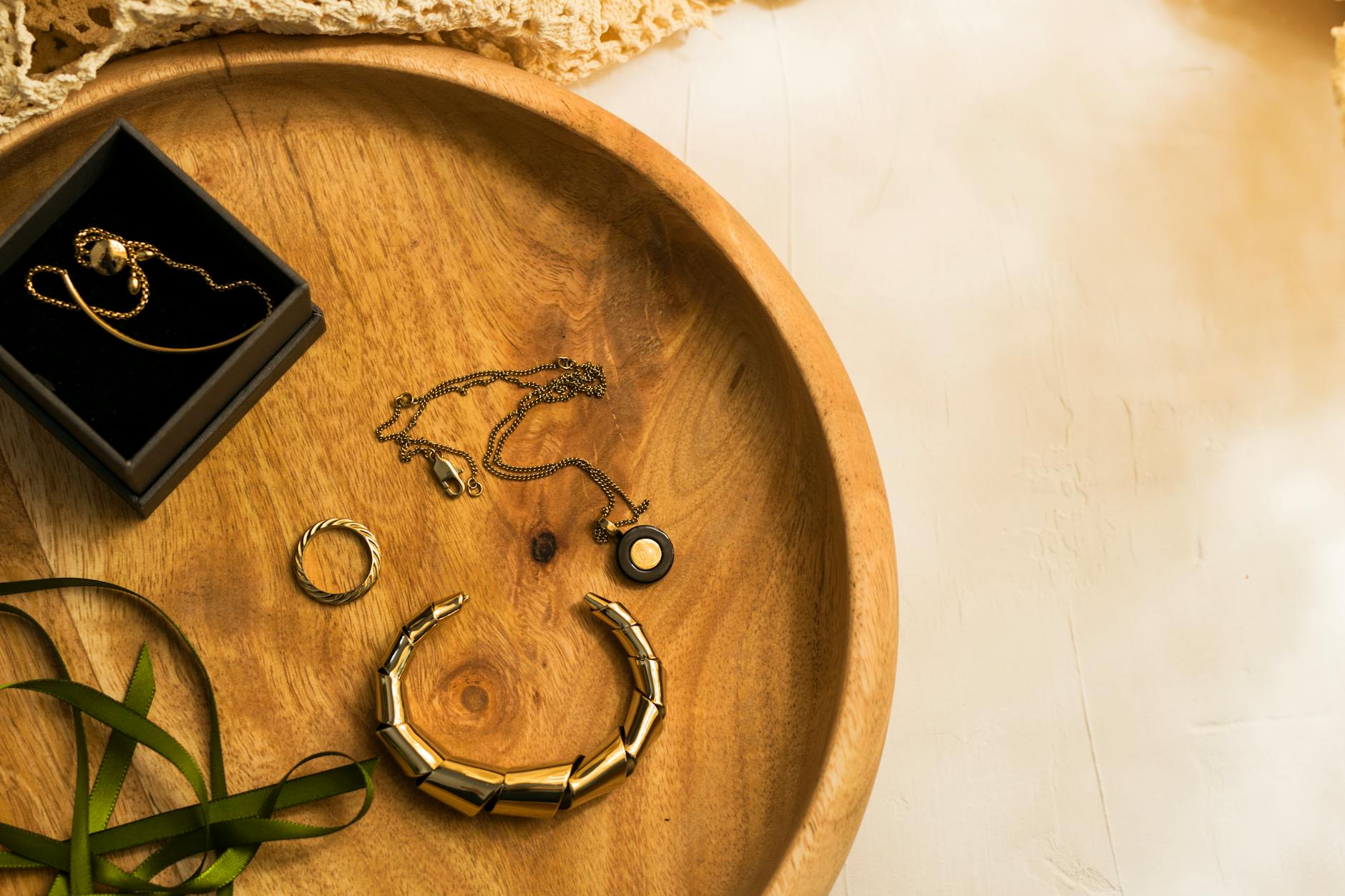
This is particularly relevant when mixing jackets with jewelry. Heavy leather jackets with delicate gold chains create friction and scratching. Lightweight jackets with substantial statement pieces look unbalanced and can actually pull the jacket out of shape with their weight. Understanding the appropriate context for each jacket—season, event type, paired jewelry style—prevents the casual damage that comes from wearing expensive pieces in unsuitable situations.
Neglecting to Understand Resale Value and Investment Appreciation
Many buyers purchase luxury jackets as though they’re disposable, forgetting that high-quality designer and luxury pieces retain value when maintained properly. However, understanding which jackets actually appreciate requires knowledge about brand reputation, material quality, and market demand. Not all expensive jackets retain value—some become dated almost immediately, while classic pieces from established houses become more valuable over time. The forward-looking perspective here is that luxury jacket purchasing should include resale strategy.
Before buying, research whether the piece you’re considering has strong resale demand. Neutral colors and timeless styles maintain value better than trend-driven designs. Condition at resale significantly impacts price, which reinforces why maintenance matters financially, not just aesthetically. A jacket purchased and maintained with eventual resale in mind becomes an asset rather than an expense.
Conclusion
The jackets mistakes people make fall into two categories: selection errors (buying the wrong piece for their lifestyle or needs) and maintenance errors (failing to care for the piece properly once they own it). Both categories are avoidable with basic planning and honest assessment of your commitment level before purchasing. The most expensive mistake isn’t buying a high-price jacket—it’s buying one you can’t realistically maintain or wear appropriately.
Moving forward, approach luxury jacket purchases with the same rigor you’d apply to any significant investment. Research the specific material requirements, calculate realistic maintenance costs, ensure proper fit through professional tailoring, and commit to appropriate storage and care before you hand over payment. A well-maintained luxury jacket, properly styled with intentional jewelry and accessories, becomes a foundational piece that justifies its cost through years of wearability. The alternative—an expensive closet failure—is something you can avoid by simply taking these considerations seriously upfront.