
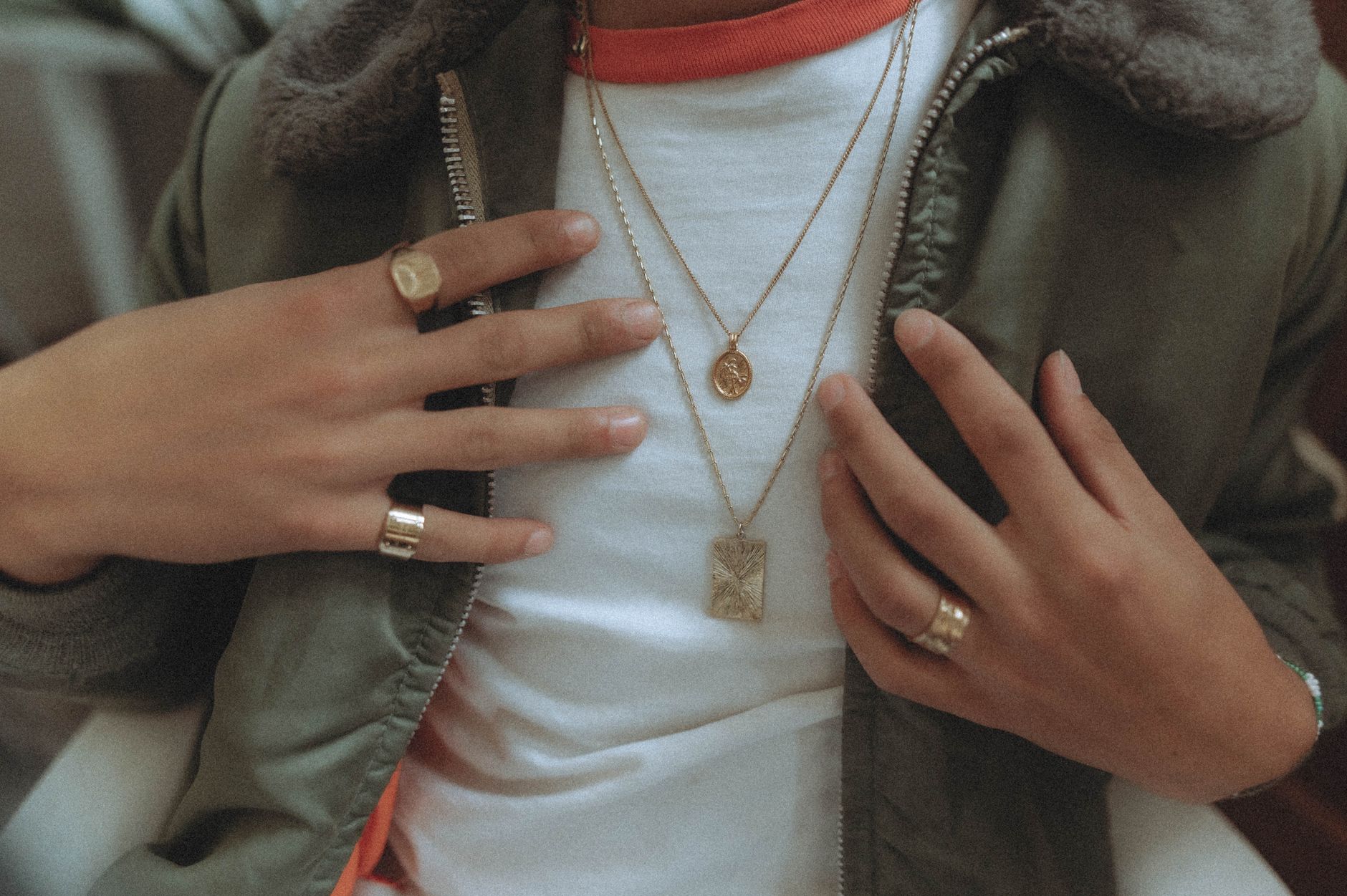
Gold bars are the smarter buy for storing wealth with low extra cost, while gold jewelry is the smarter buy for wearing, gifting, and everyday enjoyment. Your main goal decides which choice fits you.
Karat measures gold purity, and bullion means metal bought mainly for its melt value. Bars usually come in high purity with stamped weight. Jewelry mixes gold with stronger metals so it can hold shape and survive daily wear.
Table of Contents
- What Are You Paying For?
- Which Holds Value Better at Resale?
- What About Storage, Care, and Risk?
- How Should You Choose for Your Goal?
What Are You Paying For?
Bars charge you mainly for the metal itself plus refining, minting, and dealer handling. That structure keeps the nonmetal cost small relative to weight. Plain designs and standard weights also make pricing simple to compare. Jewelry charges you for metal plus design, labor, brand, and retail display.
Chains, settings, engraving, and repair policies add work you can see and feel. That work explains why two pieces with similar weight can sell for very different sums. A simple ring and a detailed necklace show the gap. The ring carries modest craft cost. The necklace carries shaping, joining, polishing, and stone setting.
Which Holds Value Better at Resale?
Bars usually resell closer to metal value because weight and purity are clear. A buyer can verify stamps, seals, and assay cards quickly. That clarity speeds offers from bullion dealers and refiners. Jewelry usually resells for melt weight, not for craft or retail margin.
A buyer pays for recoverable gold after testing purity and deducting refining effort. Stones, brand names, and fashion may add little unless the piece has strong secondhand demand. Condition matters more for jewelry. Dents, thin prongs, missing parts, and replaced clasps can lower an offer. Keep hallmarks readable, keep receipts, and avoid heavy resizing before sale.
What About Storage, Care, and Risk?
Bars need safe, dry storage and protection from theft. Home safes, bank boxes, and insured vaults are common options. Good records prove ownership and help at tax time or resale. Jewelry faces wear, loss, and damage because you carry it on your body.
Soap, sweat, sports, and hard work can dull finish and loosen settings. Clean gently, store pieces apart, and check clasps and prongs each season. Liquidity also differs by channel. Bullion dealers, refiners, and coin shops handle bars every day. Jewelry often needs testing, weighing, and separate appraisal for stones, so get quotes from more than one buyer.
How Should You Choose for Your Goal?
Match purity to use. High-purity bars suit storage because softness matters less in a safe. Lower-karat jewelry suits rings, bracelets, and chains because alloy metals add hardness and shape retention.
Buy from clear, accountable sellers either way. Ask for stamped weight, purity, return terms, and assay or authenticity papers before payment. Keep receipts, certificates, and clear photos in one folder to speed future resale.
- Choose bars if your priority is saving, gifting portable wealth, or building a simple holding.
- Choose jewelry if your priority is daily wear, style, heirloom use, or a gift with personal meaning.
- Choose smaller or mixed purchases if you want both saving and wearing without tying funds to one form.