
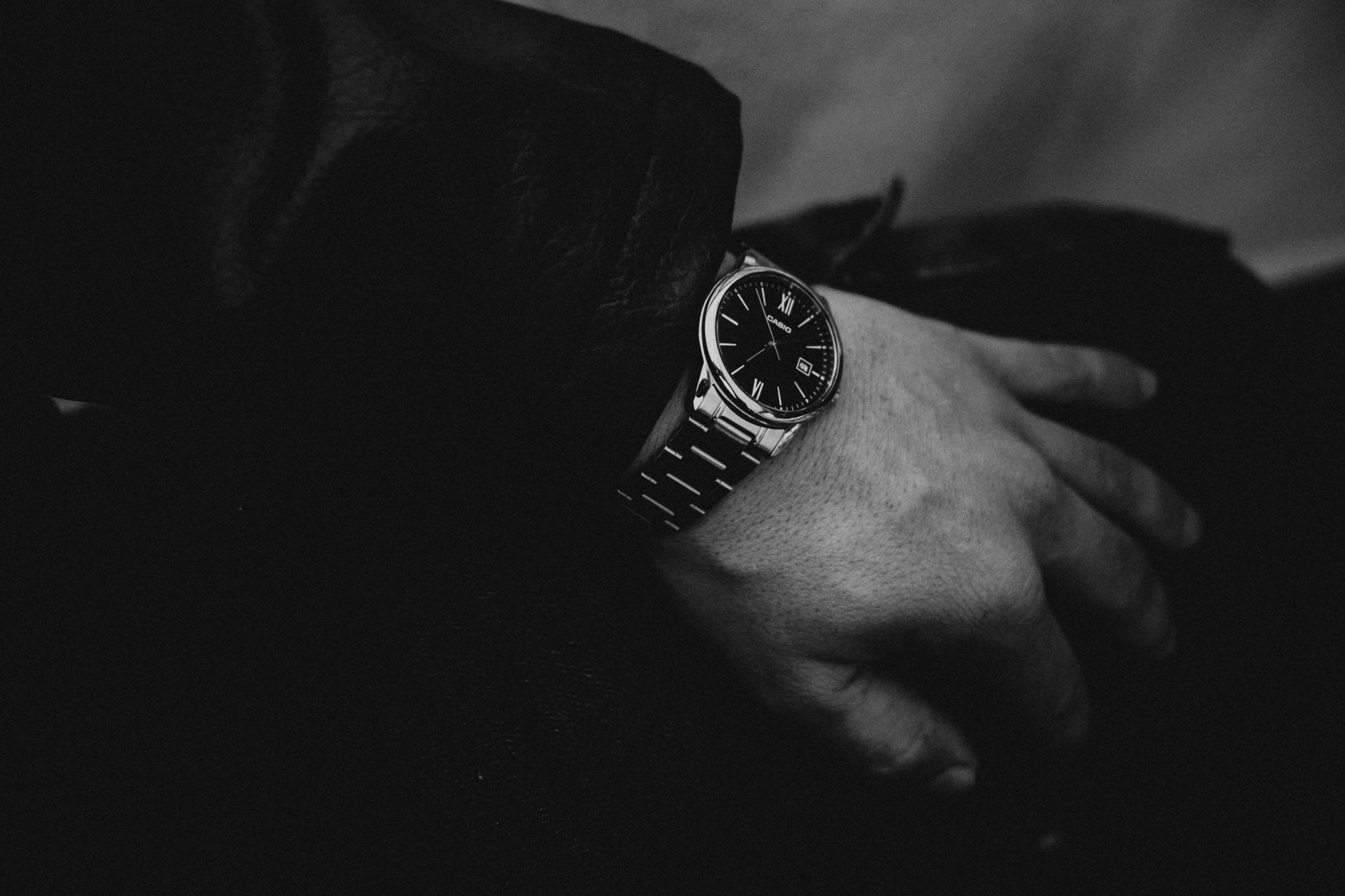
For most men, stainless steel is the best case metal for a luxury watch. It resists daily knocks, suits work and casual wear, and is simple to maintain. The case is the metal housing that holds the dial, crystal, and movement. Gold, platinum, and titanium each suit a different wrist, budget, and wearing habit.
Table of Contents
- Why is stainless steel the safe choice?
- When does gold make sense?
- Is platinum right for you?
- What about titanium?
- How should you choose?
- Frequently Asked Questions
Why is stainless steel the safe choice?
Stainless steel is strong, corrosion resistant, and easy to polish. Small scratches can usually be buffed out during routine service.
It has a neutral silver tone that pairs with suits, denim, and business dress. For a first luxury watch worn often, steel is the most practical starting point.
When does gold make sense?
Gold is a precious metal prized for color, weight, and formal presence. A watch case is typically made from solid 18-karat gold, meaning gold alloyed for strength.
Yellow gold looks classic and warm. Rose gold looks softer against many skin tones, while white gold looks cooler and more understated.
Is platinum right for you?
Platinum is dense, naturally white, and highly resistant to tarnish. It feels noticeably heavier than steel or gold on the same size wrist.
That weight signals substance, but it also makes large cases tiring for some wearers. Platinum suits a dress watch or special-occasion piece rather than hard daily use.
What about titanium?
Titanium is strong for its weight and comfortable on larger watches. It has a darker gray tone than steel and often a matte finish.
It can help men with nickel sensitivity, since many watch-grade titanium alloys contain little or no nickel. It scratches more visibly than steel and needs careful refinishing.
How should you choose?
Match the metal to how you will actually wear the watch. Consider comfort, upkeep, lifestyle, and dress code before color alone.
Try the same case size in two metals before deciding. Weight, balance, and tone change markedly once the watch is on your wrist.
- Daily office and travel: stainless steel or lightweight titanium
- Formal events and evening wear: yellow, rose, or white gold
- Quiet luxury and heft: platinum in a smaller, thinner case
- Active hands and outdoor work: steel or titanium, not high-polish gold
Frequently Asked Questions
Does gold scratch more easily than steel?
Yes, in general use. High-polish gold shows hairlines faster, so reserve it for office and evening wear and ask your watchmaker about careful polishing.
Is titanium considered a luxury metal?
It can be. Luxury lies in finishing, design, and movement quality, while titanium adds lightness and comfort, especially in larger or sportier cases.
Do I need to match my watch metal to jewelry?
Matching helps but is not required. Keep undertones consistent, such as warm golds together and cool steel, white gold, platinum, or titanium together.