
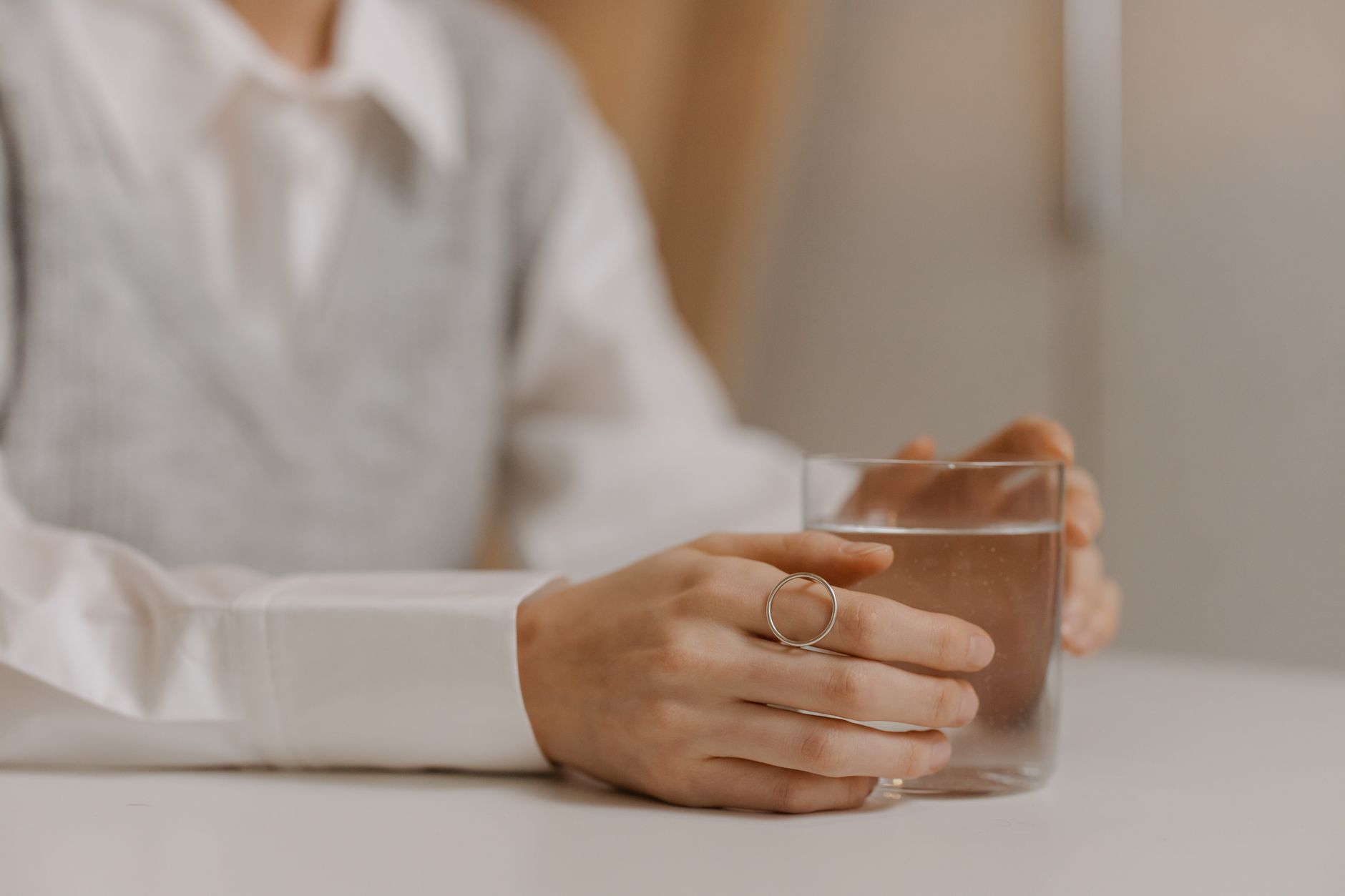
A purity ring is a ring worn to signal a personal commitment to abstinence before marriage, often with religious meaning. Most wearers place it on the left ring finger, while the right ring finger is the other common choice. There is no fixed rule for placement. The best finger depends on personal meaning, comfort, and whether you want to avoid confusion with an engagement or wedding ring.
Table of Contents
- What a purity ring means
- Which finger should you wear it on?
- Which metal and style last best?
- How to buy, personalize, and care for one
What a purity ring means
A purity ring marks a promise made by the wearer, often before family, a partner, or a faith community. It serves as a daily reminder of that choice rather than as a legal or marital status. It is different from an engagement ring or wedding band. Those exchanged rings signal a plan to marry or a marriage itself.
A purity ring signals intent and values before such a commitment exists. Couples sometimes exchange matching purity rings. Parents sometimes give one to a teen. Adults may also buy their own as a personal statement of faith or discipline.
Which finger should you wear it on?
The left ring finger is the most recognized spot. Many choose it because that finger already carries ideas of love and commitment. The trade-off is that others may mistake the ring for an engagement ring. The right ring finger is a clear alternative. It keeps the symbolism of commitment while reducing confusion.
Some wearers prefer the middle finger or right hand for comfort, work, or fit with other rings. Consider daily use when deciding. Your dominant hand takes more wear. A wider or taller ring may feel awkward on a working hand. Try the ring on both hands before engraving or resizing.
Which metal and style last best?
For a luxury piece meant for daily wear, solid gold and platinum hold up best. Yellow, white, and rose gold in 14k offer a good mix of strength, color choice, and ease of care. Platinum is denser and more resistant to wear, while sterling silver costs less but scratches and tarnishes faster. Simple bands suit the purpose well.
A plain polished or brushed band resists snags and shows engraving clearly. Small diamonds, birthstones, or a cross motif add meaning, but raised settings need more care and periodic checking. Choose width and profile for comfort. Narrow bands from 2 to 4 millimeters suit smaller hands and stack easily. Wider bands from 5 to 7 millimeters read as bolder symbols and leave more room for an inscription.
How to buy, personalize, and care for one
Get sized at the time of day your fingers are warmest. That reading best matches real wear. If you plan to wear the ring for years, allow a little room for natural change.
Clean plain gold or platinum with warm water, mild soap, and a soft brush. Dry fully before storing. Remove the ring for heavy work, sport, and harsh chemicals, and have prongs and engraving checked during routine jewelry service.
- Pick a metal suited to daily wear, such as solid gold or platinum.
- Choose a smooth profile with rounded inner edges for comfort.
- Keep engraving short, such as a date, word, or initials.
- Ask for care guidance specific to the metal and any stones.