
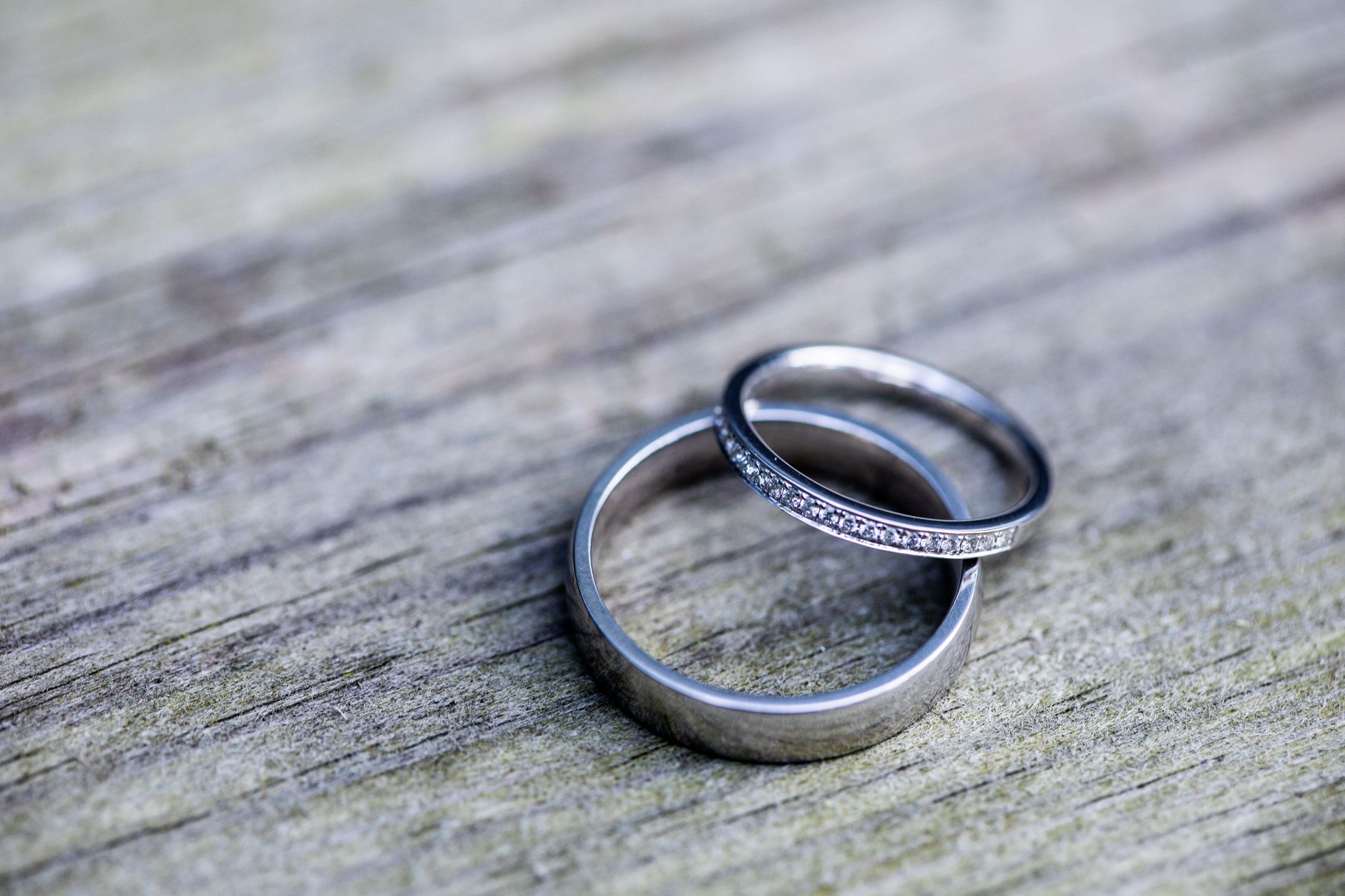
A promise ring for men is a band exchanged to mark serious commitment before — or apart from — engagement. For men, it most often means exclusivity, loyalty, or a shared plan for the future. It is not an engagement ring and follows no fixed rule. The meaning comes from a clear conversation between giver and wearer, not from size or cost.
Table of Contents
- What Does a Promise Ring Mean for a Man?
- Which Finger Do Men Wear It On?
- Which Metals and Styles Hold Up Best?
- How Should You Give One?
What Does a Promise Ring Mean for a Man?
A promise ring states intent. It can mean sexual exclusivity, a pledge to marry later, support during long distance, or a shared value such as sobriety or faith. Couples define the promise together, so both understand what the ring represents. For men who wear little jewelry, the symbol often matters more than display.
A plain band keeps attention on the commitment rather than ornament. Engraving a date, initials, or short phrase can make that intent personal and clear. It does not carry the same social expectation as an engagement ring. It can be upgraded, replaced, or retired when circumstances change. That flexibility makes it useful for young couples, second relationships, or partners who want time before engagement.
Which Finger Do Men Wear It On?
Many men wear a promise ring on the left ring finger, especially when engagement may follow. Others choose the right ring finger to leave the left hand free for a future wedding band. Either choice is socially understood if the meaning has been stated. Comfort and work also shape placement.
A man who uses tools, lifts, or types all day may prefer the right hand or a different finger to reduce wear and interference. Left-handed men often move rings to the non-dominant hand for the same reason. Consistency matters more than finger. Wearing it in the same place signals that the promise still stands. If the ring moves before marriage, explain the change so it is read as practical, not distant.
Which Metals and Styles Hold Up Best?
Men's promise rings favor simple, weighty bands that suit daily wear. Platinum and solid gold remain classic choices for a luxury piece, with high-polish, brushed, or matte finishes. Comfort-fit interiors, medium width, and rounded edges reduce pinching and suit active hands. Harder alternative metals resist scratches but limit resizing and repair. Precious metals scratch more easily yet can be polished, sized, and refinished by a jeweler.
A man with hands-on work may prefer a lower profile, matte finish, and thicker wall to hide small marks. Style should match the wearer's wardrobe and skin tone. Yellow gold suits warm tones and traditional dress. White metal suits cool tones, gray suits, and modern watches. Two-tone or lightly textured bands hide wear while staying understated.
How Should You Give One?
Give a promise ring privately, with words that name the promise. Vague presentation creates confusion about whether it is an engagement. State what you mean, what you are asking, and what changes afterward.
Keep the exchange modest. A quiet dinner, walk, or time at home fits better than a public gesture. Save a formal proposal, kneeling, and wedding language for engagement if that step comes later.
- Choose intent first: exclusivity, future engagement, or shared goal.
- Get the size discreetly, or shop together for fit and comfort.
- Present it one-on-one, not at a family event or party.
- Say the promise aloud in one or two plain sentences.
- Agree on which finger he will use and for how long.