
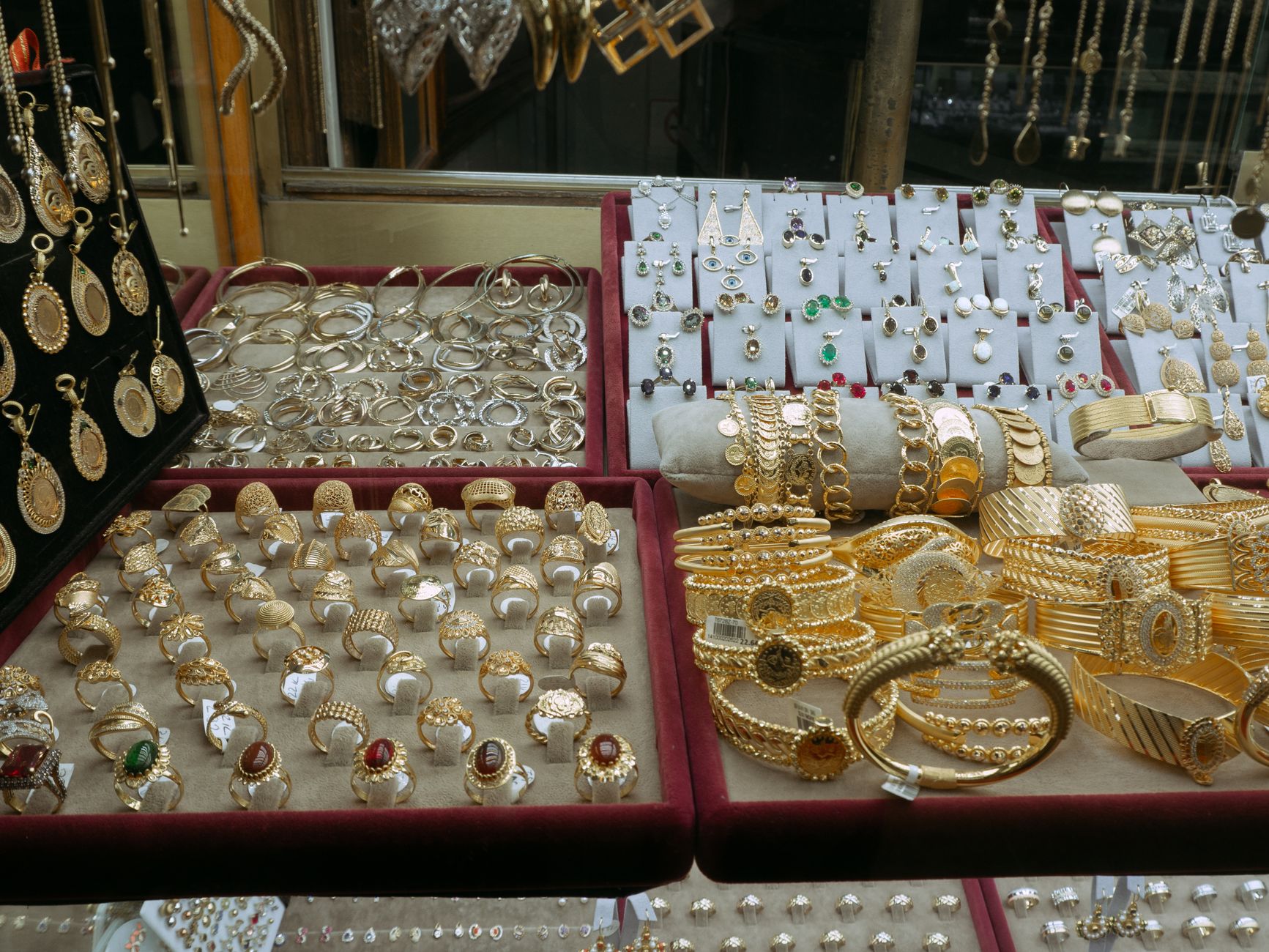
If the listing said gold filled and the receipt says gold plated, those are two different products, and the receipt is usually the document a seller has to stand behind. Gold filled carries a bonded gold layer that is at least 1/20 (5%) of the item's total weight in the United States, while gold plated carries a microscopic electroplated film that is often a fraction of a micron thick — so the discrepancy is a material difference in value, not a wording quibble. The practical question is which description the seller intended and which one the item actually is. You can usually resolve it in a few days with a hallmark check, a weight check, a written request to the seller, and — if those disagree — a payment-processor dispute or an independent assessment.
Table of Contents
- What "gold filled" and "gold plated" actually mean
- Which document wins when they disagree?
- Checking the item itself
- What to ask the seller, and how to ask it
- Escalating if the seller does not resolve it
- Deciding whether it is worth pursuing
- Frequently Asked Questions
What "gold filled" and "gold plated" actually mean
Gold filled is a mechanically bonded product. A sheet of karat gold is heat- and pressure-bonded to a base metal core, usually brass, and then worked into the finished piece. In the United States, the Federal Trade Commission's jewelry guides tie the "gold filled" name to a minimum bonded layer of 1/20 of the item's total weight, which is why the stamps read "14K GF" or "1/20 14K GF." Gold plated is an electroplating process.
Gold ions are deposited from solution onto a base metal in a layer measured in microns, and consumer plating is frequently well under one micron. "Gold vermeil" is a defined middle case: plated gold over a sterling silver base, with a minimum thickness set by the same FTC guides. The consequence for the owner is wear. A gold filled layer can survive decades of daily contact and can often be polished; a thin plated layer wears through at high-friction points — ring shanks, clasp edges, chain links against skin — and typically cannot be polished without removing what remains.
Which document wins when they disagree?
Treat the receipt as the authoritative record of the transaction, because it is the document issued at the point of sale and the one a card issuer, marketplace, or small claims court will read first. A listing page can be edited or deleted after purchase; a receipt or invoice is fixed and usually timestamped. That said, the listing is still evidence of what you were offered.
If the listing said gold filled and the receipt says gold plated, you may have been sold a cheaper item than the one advertised — or the seller may have a sloppy point-of-sale system that defaults every gold-tone item to one label. Both happen, and you cannot tell which from the paperwork alone. Preserve the listing before you contact anyone. Save a full-page screenshot or PDF that shows the URL, the date, the price, and the product description, plus any order confirmation email, which often embeds the listing title independently of the receipt.
Checking the item itself
The piece often answers the question without an appraiser. Work through these in order: A stamp that contradicts both the listing and the receipt is the most useful outcome, because it is physical evidence attached to the goods.
- Look for a stamp. "GF," "1/20 12K GF," or "14/20" indicates gold filled. "GP," "GEP" (gold electroplate), "HGE" (heavy gold electroplate), or "RGP" (rolled gold plate) indicate plating or a related lower-gold construction. "925" with a gold color suggests vermiel or plated silver.
- Check where the stamp sits. On chains it is usually on the clasp or a tag near it; on rings, inside the shank; on earrings, on the post or the back.
- Weigh it. Gold filled pieces are noticeably heavier than plated pieces of the same size, because the bonded layer is a real proportion of the mass.
- Inspect wear points with magnification. Plated pieces show base metal — yellowish brass or grey — at edges and high spots long before gold filled pieces do.
- Note what the item is not. An unstamped piece is not automatically plated. Stamps wear off, and very small pieces sometimes carry none.
What to ask the seller, and how to ask it
Write rather than call, so the answer is in a form you can forward later. Keep the message short and ask for a specific fact, not an apology. Ask three things: which product was shipped, gold filled or gold plated; what the gold layer's karat and proportion or thickness is; and whether the receipt wording or the listing wording was the error. Add that you want the answer in writing.
A legitimate seller of gold filled goods can answer all three immediately, because those are the specifications they buy from their own supplier. Many discrepancies resolve here. Small sellers who buy gold filled wire and findings often list accurately and then invoice from a generic template, and they will correct the receipt on request. If the answer is that plated was in fact shipped, ask directly for a refund of the difference or a return, and say which you want.
Escalating if the seller does not resolve it
Time limits are the constraint, so start the clock early. Marketplace protection programs, card chargebacks, and PayPal-style buyer protection each run on their own deadline from the transaction or delivery date, and those windows are the main reason a valid complaint fails. Check your specific processor's stated window as soon as the seller stalls. The case you file is a "not as described" case, not a quality complaint.
Attach the archived listing, the receipt, photographs of the stamp or the bare wear points, and the seller's written reply. The contrast between the listing text and the receipt text is the strongest single exhibit, because it needs no expert to read. If the amount is large enough to justify a fee, an independent jeweler or appraiser can test the piece. Acid testing and electronic testers read the surface and will show gold on a plated item, so ask specifically for a test that addresses layer construction, such as examination of an existing wear point or an assessment of weight against the item's dimensions. Say in advance that you want a written statement, since a verbal opinion is not evidence in a dispute.
Deciding whether it is worth pursuing
Compare the price you paid against the typical market price of each product. Gold filled findings and chains cost meaningfully more than plated equivalents at the same size, so a price near the plated end of the range suggests you received what you paid for and the listing overstated it. A price at the gold filled end with a plated item is a clear shortfall. Consider the use, too.
For a piece worn occasionally and kept in a box, the difference is mostly resale value. For a daily-wear chain, ring, or anything against the skin, the plated version will likely need replacing within a few years of regular wear, and that recurring cost is usually larger than the original price gap. If you keep the item, record what it is. Note the discrepancy, the seller's answer, and any test result in the same place you store the receipt — when you resell or insure the piece, you will need to describe it accurately yourself, and the buyer on the other side will run the same checks you just did.
Frequently Asked Questions
Can a piece be both gold filled and gold plated?
Not in the same layer, but a maker can plate a gold filled item in a different gold color, such as rose or a deeper yellow. A seller should describe both.
Does "14/20" mean 14 karat and 20 karat?
No. It is shorthand for 1/20 14K gold filled — the gold layer is 14 karat and is one twentieth of the item's weight.
Will a magnet tell me the difference?
No. Neither gold filled nor gold plated jewelry should attract a magnet strongly, because brass and sterling cores are non-magnetic. A strong pull suggests a steel or nickel-alloy core, which is worth raising with the seller separately.
Is gold vermeil closer to filled or plated?
It is plating, but on a sterling silver base with a regulated minimum thickness, so it holds more intrinsic metal value than plating over brass while still wearing like plating.