
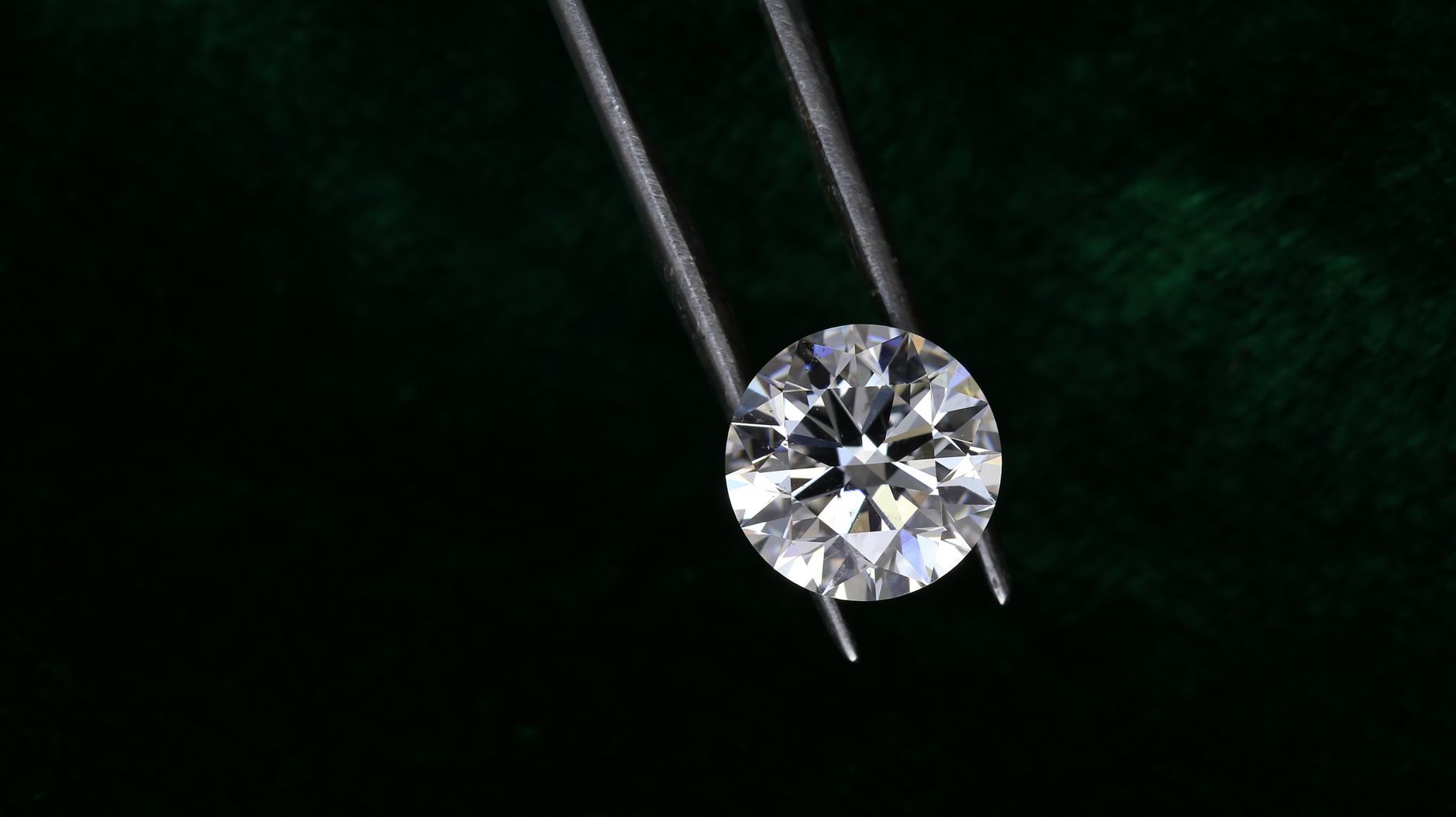
Before buying moissanite jewelry, know that moissanite is a lab-created silicon carbide gemstone with strong brilliance and good durability for daily wear. Your main choices are cut quality, color tone, setting metal, and seller guarantees for returns and damage. Moissanite is not an imitation diamond and is not cubic zirconia. It has its own optical character, care needs, and pricing logic, so compare it on those terms rather than as a direct diamond copy.
Table of Contents
- How is moissanite different from diamond?
- What affects its color and sparkle?
- Which metal and setting suit it best?
- How do you judge quality before you pay?
- How do you keep moissanite clean?
How is moissanite different from diamond?
Moissanite returns light with strong rainbow flashes, while diamond returns more white light with smaller colored flashes. Many buyers notice the difference most in sunlight or spot lighting. Cut precision controls whether that fire looks crisp or busy.
Moissanite is very hard and resists scratching well in rings, earrings, and pendants. Because it is grown in a laboratory, each stone has controlled composition and traceability through its seller. That origin appeals to buyers who want to avoid mined stones.
What affects its color and sparkle?
Most colorless moissanite still shows a slight warm, gray, or green tone in some lighting. Larger stones and step cuts, such as emerald and Asscher cuts, make body color more visible. Round brilliant and oval cuts hide slight tone better and return more sparkle.
Ask whether the stone is described as colorless, near-colorless, or warm, and view it in daylight as well as store light. Check side and face-up views, since some stones look white from above and warmer from the side. Choose the lowest visible color that still looks neutral to your eye.
Which metal and setting suit it best?
Platinum, 18-karat gold, and 14-karat gold all hold moissanite securely and suit fine jewelry standards. Platinum offers weight and scratch resistance, while gold offers color options in yellow, white, and rose.
White metals emphasize a cool, white look, while yellow and rose gold make slight warmth less noticeable. Setting style affects both protection and appearance. Consider these practical points:.
- Choose six prongs or a bezel for large center stones worn daily.
- Choose a lower profile and protected corners for emerald, pear, and marquise shapes.
- Confirm that accent stones are well matched for color so the center does not look tinted by contrast.
How do you judge quality before you pay?
Focus on information you can verify, not on brand names alone. A reliable listing states stone shape, millimeter measurements, cut, color description, and whether the stone is certified or screened by the seller.
Vague terms without measurements make comparison difficult. Use a short checklist before checkout:.
- Compare videos of the exact stone, not stock photos.
- Confirm total carat-equivalent weight and millimeter size for fit.
- Read the return period, resizing policy, and warranty for loose stones and chipped accents.
- Ask who services the piece and whether outside jewelers void coverage.
How do you keep moissanite clean?
Moissanite attracts skin oil and lotion film, which dulls sparkle faster than wear damages it. Soak the piece briefly in warm water with mild dish soap, brush gently with a soft toothbrush, rinse, and pat dry. Repeat more often for rings than for pendants or earrings.
Avoid harsh bleach, abrasive powders, and ultrasonic cleaners with loose or pavé-set stones unless the maker allows them. Have prongs and bezels checked once a year, especially on high-wear rings. Prompt tightening prevents loss of a still-bright center stone.