
Old money fashion is defined by deliberate restraint, quality over logos, and an almost studied indifference to trend. It is the aesthetic of inherited wealth—clothing worn as though the wearer never questioned whether they could afford it. A person dressed in old money style wears a simple cashmere sweater that costs $800 but carries no visible branding, paired with tailored wool trousers in a neutral shade, and polished leather loafers that have been resoled twice. The outfit attracts no attention. That is precisely the point.
The fundamental rule of old money fashion is invisibility within affluence. Unlike new money aesthetics, which announce wealth through logos, bright colors, architectural cuts, and statement pieces, old money fashion whispers. It operates on the assumption that those who need to know already do. The person wearing a Hermès scarf tied casually around their neck doesn’t wear it to signal status—they wear it because it was a gift from someone they’ve known for thirty years, it’s genuinely beautiful, and it keeps them warm. Old money style prioritizes functionality first, then quality, then timelessness. Trend-chasing is considered gauche.
Table of Contents
- How Does Old Money Fashion Differ From New Money Aesthetics?
- The Philosophy of Intentional Understatement
- Why Fabric and Construction Trump Designer Names
- Building a Timeless Wardrobe Strategy
- Common Mistakes When Attempting Old Money Style
- The Role of Inherited Jewelry and Family Pieces
- Provenance and the Invisible History of Quality
- Frequently Asked Questions
How Does Old Money Fashion Differ From New Money Aesthetics?
The contrast between old money and new money fashion is immediately visible in jewelry choices. A woman from an old money background might inherit a string of pearls from her grandmother—nothing fancy, simply real—and wear them with a basic silk blouse and linen pants to a garden party. The same event might feature a woman who recently acquired significant wealth wearing a large diamond pendant on a gold chain, a designer handbag with the logo prominently displayed, and a tailored dress in a saturated jewel tone. The old money woman has spent less money and attracts far less attention. Her pearls are sometimes dull, sometimes lustrous, but always genuine. She doesn’t feel compelled to explain or justify them. Old money fashion rejects the concept of the statement piece.
Instead, it operates through coherence and restraint. A man wearing old money style might own a single navy blazer with a subtle pattern, worn with unobtrusive chinos and a plain white shirt. He has owned this blazer for fifteen years. It has been tailored twice. The seams are stable, the fabric hasn’t thinned. He also owns identical versions of the same blazer—not because he’s trying to create a uniform, but because he found something that works and doesn’t need to reconsider it every morning. This approach saves time, money, and mental energy.
The Philosophy of Intentional Understatement
Old money fashion is rooted in the idea that true confidence requires no advertisement. This principle extends beyond clothing into jewelry and accessories. A person adhering to old money aesthetic might own a Rolex watch—an expensive, fine timepiece—but they would never point it out or wear it in a way that emphasized the cost. They wear it because it works and lasts. The watch face is typically understated: round, simple, perhaps with a white dial and black numbers. No dials, no bezels, no complications visible on the face. The bracelet is either simple metal or leather.
Over time, the watch becomes simply part of their hand, as unremarkable as a wedding band. The limitation of this approach is that it requires money upfront to buy quality items, and it also requires patience. Old money fashion is not accessible to people building wealth from nothing. A young person earning an entry-level salary cannot afford to buy a cashmere sweater that lasts twenty years instead of purchasing five cheaper sweaters over the same period. The aesthetic only works for people with capital already in place or steady, reliable income. Additionally, old money fashion can read as boring or even backwards to younger eyes. A teenager from a wealthy family might rebel by wearing the very things old money eschews: bright colors, visible logos, trendy silhouettes. This creates genuine tension between generations within affluent families.
Why Fabric and Construction Trump Designer Names
The rules of old money fashion prioritize the invisible over the visible. The weight of fabric matters far more than whose name appears on the label. A luxury jewelry and precious metals wearer will recognize the same principle: a piece made from quality materials with excellent craftsmanship costs more but holds its value and improves with age. The construction of a garment—the way seams are sewn, the way hems are finished, the quality of buttons—determines how long it will last. An example: two women buy dresses at the same price point. One buys a dress from a luxury designer known for bold prints and visible branding.
The dress is made from a lightweight synthetic blend. After twenty wears, the print fades, the synthetic develops a sheen, and the dress looks tired. The other woman buys a dress in a solid neutral from a smaller atelier or tailor. The dress is made from linen that becomes softer with washing. After twenty wears, it looks better. After one hundred wears, it looks better still. The old money wearer paid the same amount but gets exponentially more use from the garment.
Building a Timeless Wardrobe Strategy
Constructing a wardrobe in the old money tradition requires a different approach than seasonal shopping. The goal is to build a foundation of neutral, high-quality basics that can be worn year after year. This foundation typically includes white linen shirts, cream or white t-shirts, navy and black sweaters in cashmere or fine merino wool, tailored trousers in black, navy, khaki, and gray, and denim that is selvedge, indigo-dyed, and left relatively plain. Accessories include leather belts in brown and black, scarves in neutral solids or very subtle patterns, and jewelry that is either inherited, gold, silver, or pearls. The practical tradeoff is that building this wardrobe is expensive upfront.
Buying five cashmere sweaters at once costs thousands of dollars. But over the course of a decade, those five sweaters are worn dozens of times each and never look outmoded. Meanwhile, someone purchasing seasonal fast fashion over the same decade spends a similar amount of money, acquires fifty items instead of five, and has nothing left to wear at the end. The old money approach feels restrictive initially—the wearer is choosing from a narrow palette—but it actually creates unlimited outfits through combination and repetition. The same navy blazer works with weekend jeans and with formal trousers. The same cashmere sweater is worn under tailored jackets, with pearl necklaces, with gold chains.
Common Mistakes When Attempting Old Money Style
People attempting to adopt old money fashion often make critical errors. The most common is buying expensive items that are still trendy. Investing in a designer handbag in this season’s color or shape defeats the entire purpose. Old money fashion demands neutrality in color and silhouette. A wealthy person might own a single, simple leather handbag in cognac or black, carried for twenty years. They do not own handbags in the currently fashionable shape, the currently fashionable size, or the currently fashionable color palette. The bag is a container; it is not a statement.
Another mistake is mixing old money principles with budget brand basics. A person cannot achieve old money aesthetic by buying a Hermès silk scarf and pairing it with fast fashion clothing. The entire outfit must reflect the philosophy. Every piece should be made well, fit properly, and exist to serve the wearer rather than to convey status. Additionally, visible logos are to be strictly avoided—not because they are inherently wrong, but because they announce that the wearer cares about brands, which contradicts the principle that one’s clothing should seem almost accidental. A woman wearing a designer handbag with a large, prominent logo doesn’t look wealthy; she looks like she recently became wealthy and is still excited about it. Old money fashion assumes the wearer has always had money, even if that assumption is false.
The Role of Inherited Jewelry and Family Pieces
Within old money fashion, inherited jewelry occupies a place of supreme importance. A string of pearls from a grandmother, cufflinks from a great-uncle, a signet ring worn by multiple generations—these pieces communicate something that newly purchased jewelry cannot: continuity and belonging. A woman wearing her grandmother’s engagement ring doesn’t need to explain its provenance. The ring is not valuable because it is in fashion or because a magazine declared it beautiful. It is valuable because it is hers, inherited, and worn with the ease of something that has always been part of her life.
This tradition highlights a central difference between old money and new money approaches to luxury goods. A newly wealthy person might commission a custom piece of fine jewelry from a designer, selecting the highest quality materials and the most flattering design. The piece is objectively superior to inherited jewelry that might be older, smaller, or less flashy. Yet the inherited piece carries weight the new piece cannot—it is worn not because it was purchased but because it was given, sometimes by people who are now gone. Old money fashion embraces this sentimental dimension as inseparable from actual luxury.
Provenance and the Invisible History of Quality
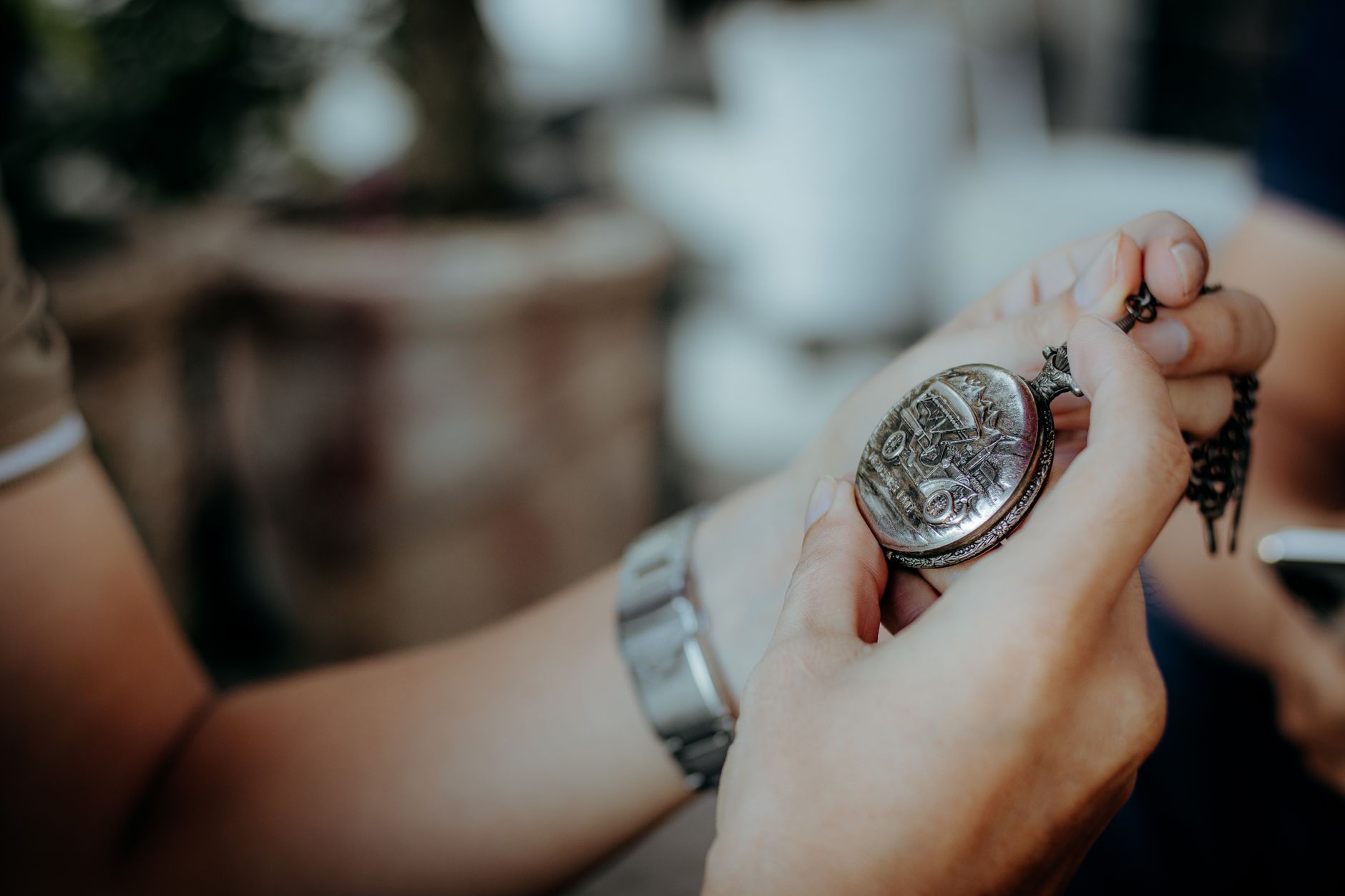
The final rule of old money fashion is that the best pieces carry invisible histories. The easiest items to purchase new are not the same as the items most worth owning. A fine watch that has been worn by the same family for three generations tells a different story than a watch purchased yesterday, regardless of the current price. The worn leather loafers that have been resoled and restored, worn in every season, are more valuable to their wearer than pristine loafers fresh from the store. Old money fashion is ultimately a philosophy about value.
It asks: what will serve me for decades? What will become more beautiful rather than less beautiful with use and time? What pieces do I actually want to own, separate from what anyone might think about them? These questions lead toward simplicity, quality, and restraint. A person dressed according to these principles might own fewer clothes and fewer accessories than their peers, and less jewelry than magazines suggest is necessary. Yet every single piece they own is worn regularly. Nothing sits unworn in a closet, waiting for the right occasion. This is the definition of a wardrobe that works—and it is the closest thing old money fashion has to a rule that cannot be broken.
- —
Frequently Asked Questions
Is old money fashion only for people who inherit wealth?
No. The principles of old money fashion—buying quality basics, avoiding logos, investing in pieces that last—can be adopted by anyone with capital to invest upfront. However, the aesthetic assumes a long time horizon and access to money now, which is not universal.
Can I wear old money style if I’m young?
Yes, but it may read as conservative. Old money fashion is also generational; younger wearers often adapt it by choosing slightly more modern silhouettes while maintaining the core principles of quality and restraint.
Does old money fashion mean I can never wear color?
No. Old money fashion allows color, but typically in muted, neutral tones or subtle patterns. Bright colors and loud patterns are generally avoided. A cognac cashmere sweater or a cream wool coat is perfectly within the aesthetic.
Why is inherited jewelry so important in old money fashion?
Inherited pieces represent continuity and belonging rather than consumption. They carry history and sentimental value that newly purchased jewelry, no matter how expensive, cannot replicate.
Can I wear luxury logos and still look like old money?
No. Visible logos are considered antithetical to old money fashion. The aesthetic assumes the wearer is secure enough in their wealth that they don’t need to advertise it.
How much money do I need to afford old money fashion?
Old money fashion is expensive upfront—a single cashmere sweater might cost $300-800—but it saves money long-term because pieces last for years. Most people building a functional wardrobe need several thousand dollars to start. —