

The best Gucci pieces right now reflect a dual approach: heritage craftsmanship meets contemporary design. From the newly launched Borsetto bag, which has already captured the attention of celebrities like Dua Lipa and Kate Moss, to updated watchmaking collections featuring sapphire baguettes, Gucci’s current lineup demonstrates that the house isn’t resting on its legendary status. For those investing in luxury accessories, the standout pieces balance timeless appeal with fresh execution, making them worthy additions to any discerning collection.
What distinguishes Gucci’s 2026 offerings is their emphasis on narrative and heritage. The Horsebit handbag, celebrating 70 years since its original 1966 introduction, continues to drive collector interest as Alexa Chung and Elsa Hosk carry it confidently. Meanwhile, new pieces like the Giglio handbag demonstrate the brand’s ability to create icons that didn’t exist five years ago. The real question isn’t whether Gucci has good pieces—it’s which pieces align with your aesthetic and investment perspective.
Table of Contents
- Which Handbags Define Gucci’s Handbag Leadership in 2026?
- The Heritage-Forward Watch Collection and Investment Considerations
- Footwear Innovation and the Sneaker Question
- Apparel and the Flora Revival Strategy
- Timing, Seasonality, and Collection Cycles
- The Celebrity-as-Validation Factor
- The Future of Gucci’s Luxury Strategy and Collection Direction
- Conclusion
Which Handbags Define Gucci’s Handbag Leadership in 2026?
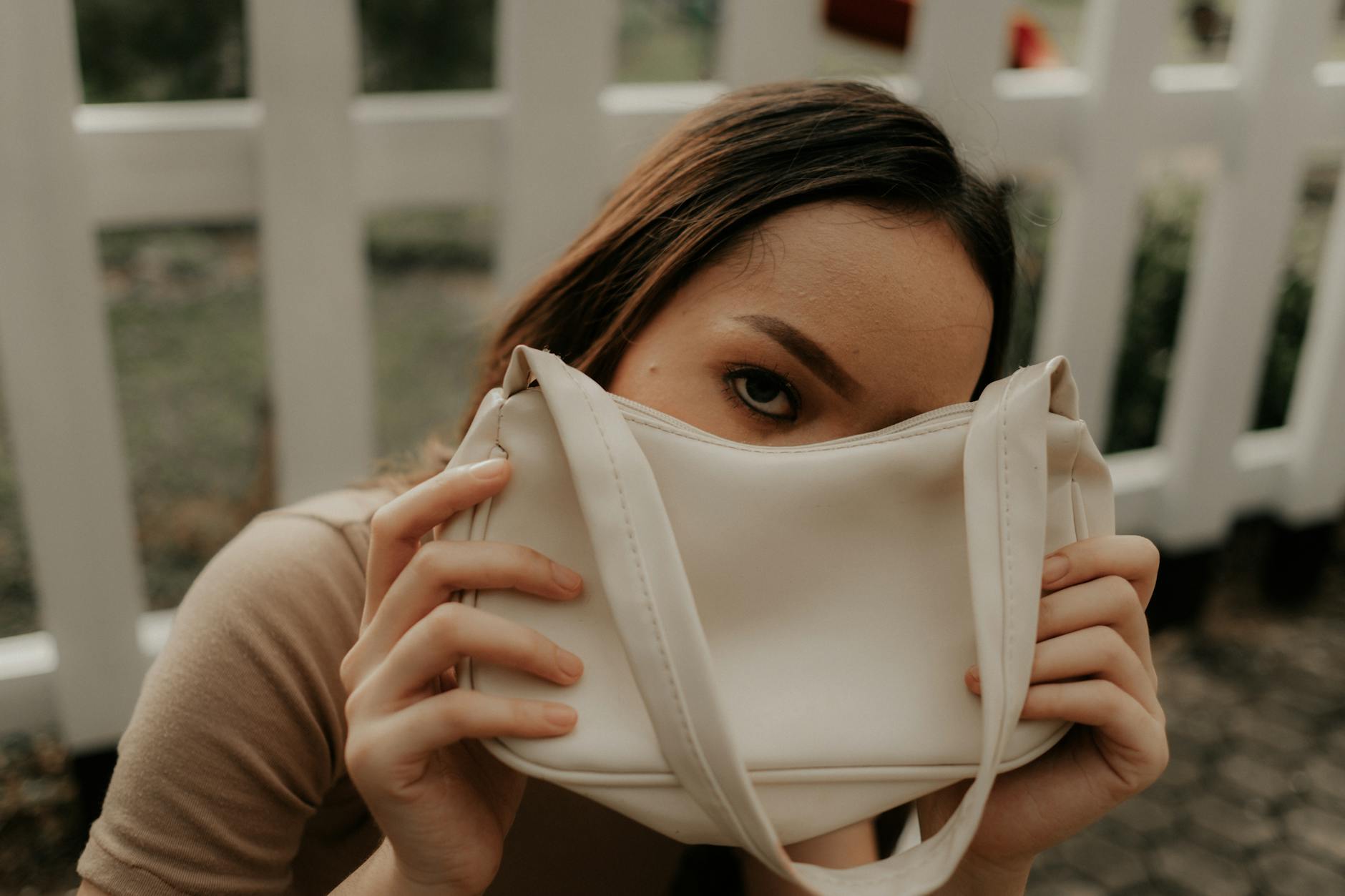
The handbag market at gucci centers on four foundational pieces, each serving distinct purposes within a luxury wardrobe. The Borsetto bag represents the fresh energy of the S/S 2026 collection, available in black leather, dark brown suede, and GG canvas. Its softly structured bowling silhouette appeals to those seeking something contemporary without sacrificing recognizability.
The availability across two sizes—larger and compact—means the Borsetto works as both a statement piece and a practical daily carry, though the larger version carries a significant price premium. The Giglio handbag, debuted on the Cruise 2026 runway, takes sculptural form with Renaissance-inspired florals. It represents Gucci’s more experimental direction, appealing to collectors who view their bags as wearable art. The Jackie 1961 continues as a bestseller for those who prefer established silhouettes; its hobo-style construction and heritage pedigree make it a safer investment than newer designs, though it lacks the current-season momentum of the Borsetto or Giglio.
The Heritage-Forward Watch Collection and Investment Considerations
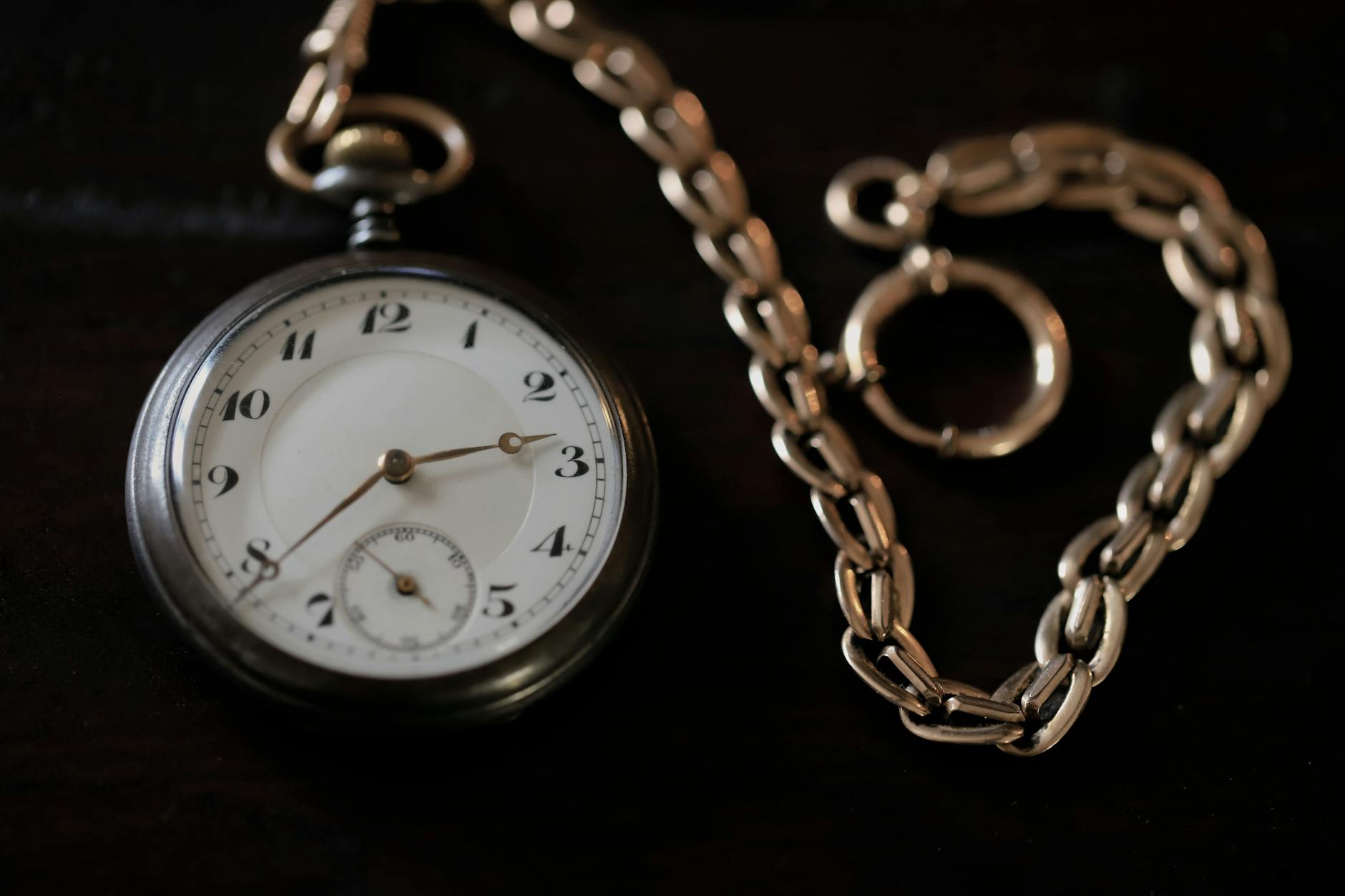
Gucci’s 2026 watch offerings reveal an interesting division between high-jewelry pieces and everyday luxuries. The updated GUCCI 25H features a new rainbow arrangement of baguette-cut sapphires with an open-work dial, transforming a familiar design into something more precious. The craftsmanship here justifies the elevated price point, though sapphire-set watches require consideration of maintenance costs and insurance.
Unlike stainless steel sport watches, these pieces demand climate-controlled storage and professional servicing. The G-Timeless Métiers d’Art collection introduces four new high watchmaking pieces for 2026, representing the house’s investment in complications and craft. These pieces carry the prestige of traditional haute horlogerie while maintaining Gucci’s distinctive visual language. However, the complexity of high watchmaking means parts availability and repair networks matter significantly—something to evaluate before purchase, particularly if you’re outside major metropolitan areas where qualified Gucci service centers operate.
Footwear Innovation and the Sneaker Question
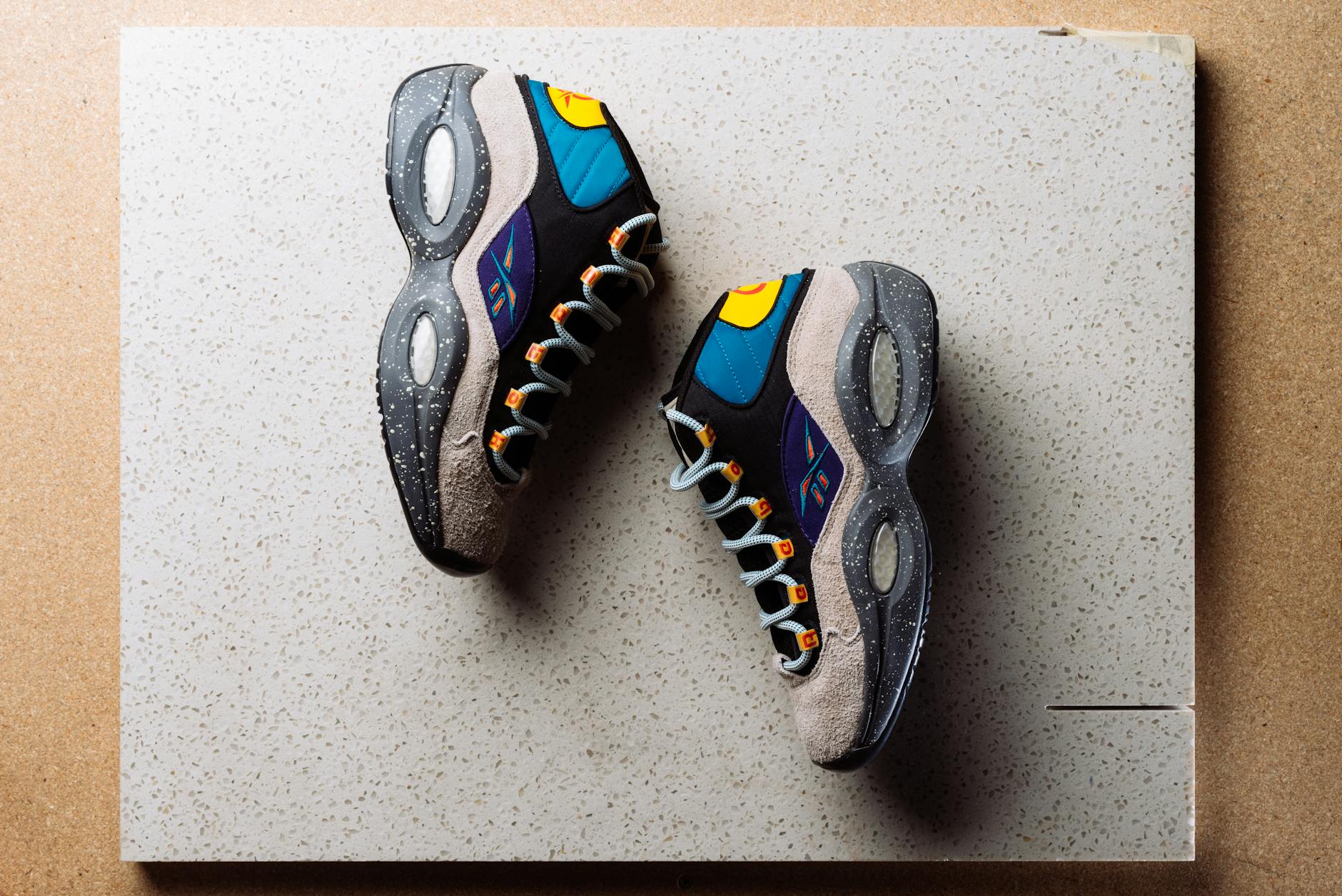
The Fall 2026 footwear collection marks a turning point in Gucci’s approach to casual luxury. Demna’s first Gucci sneaker, the Manhattan, represents a significant design decision: embracing sneaker culture without losing the house codes that define Gucci pieces. The sneaker sits in an interesting middle ground—more elevated than mainstream athletic shoes, but more approachable than traditional Gucci leather goods.
The Giovanni and Cupertino loafers offer a different philosophy, maintaining the loafer’s heritage while updating proportions and materials. The Fall collection’s suede and leather boots extend Gucci’s range into seasonal dressing. What’s worth noting here is Gucci’s material diversity: the same season offers options in different substrates, allowing collectors to choose based on climate, lifestyle, and desired longevity. Suede requires different care than leather, and this choice directly impacts the piece’s practical lifespan and seasonal wearability.
Apparel and the Flora Revival Strategy
The Flora motif silk slipdress represents one of Gucci’s most emotionally intelligent design decisions. Revisiting the pattern originally created for Grace Kelly in 1966, the house taps into both heritage nostalgia and contemporary minimalism.
The slipdress format—simpler than embellished evening wear—extends the Flora motif’s reach into everyday luxury, though the pure silk composition means dry cleaning costs and seasonal limitations for year-round wear. The racer jackets with web stripe from the Pre-Fall 2026 “Generation Gucci” collection position Gucci within contemporary streetwear aesthetics while maintaining its luxury positioning. These pieces provide a more accessible entry point to Gucci’s current narrative than investment handbags or watches, making them logical additions for collectors building a cohesive wardrobe rather than acquiring standalone pieces.
Timing, Seasonality, and Collection Cycles
Understanding Gucci’s collection schedule matters for serious buyers. The brand releases multiple seasonal collections—Pre-Fall, Fall, Cruise, and Spring—each introducing new pieces and retiring others. The Manhattan sneaker’s Fall 2026 release makes it relatively fresh to market, while the Borsetto’s S/S 2026 debut means it’s in its middle commercial window. Waiting for off-season sales can mean significant discounts but risks missing pieces entirely, as bestsellers like the Jackie 1961 sell out during peak seasons.
A critical limitation in Gucci collecting is piece discontinuation. The Giglio’s success on the Cruise 2026 runway doesn’t guarantee its permanent availability. Unlike heritage houses like Hermès, which maintains consistent designs for decades, Gucci rotates its offerings more aggressively. For those treating purchases as investments, this turnover creates urgency around limited-edition pieces but also means less predictable resale value compared to truly timeless silhouettes.
The Celebrity-as-Validation Factor
The visibility of the Borsetto bag among celebrities—Dua Lipa, Tyla, Demi Moore—serves as real-world validation of the piece’s versatility and appeal. Celebrity carrying doesn’t automatically justify a purchase, but it does indicate how the piece functions in different styling contexts. Seeing how professionals use these pieces in their actual lives provides more useful information than runway presentations or brand photography.
That said, celebrity endorsement creates artificial scarcity narratives and drives price premiums. Limited-edition bags carried by influencers often appreciate initially but can depreciate rapidly once the novelty cycle passes. Making purchases based on current celebrity carry patterns carries inherent timing risk that thoughtful collectors should acknowledge.
The Future of Gucci’s Luxury Strategy and Collection Direction
Gucci’s 2026 lineup signals a brand at a crossroads between heritage and innovation. The emphasis on 70-year anniversaries (Horsebit) alongside experimental new silhouettes (Giglio) suggests leadership committed to serving multiple collector psychographies simultaneously. The investment in high watchmaking and technical sneaker design indicates Gucci is competing for attention across wider market segments than its handbag legacy alone.
For collectors monitoring the house’s direction, watch how the “Generation Gucci” narrative evolves. The Pre-Fall 2026 collection’s emphasis on heritage patterns and contemporary cuts suggests the brand may be solidifying an identity that celebrates its archive while embracing modern design principles. This positioning, if sustained across future seasons, creates stronger long-term value than trend-chasing alone.
Conclusion
The best Gucci pieces right now share a common thread: each represents a calculated decision about what the brand stands for. Whether choosing the Borsetto’s contemporary appeal, the Horsebit’s heritage credibility, or the Manhattan sneaker’s street-culture credentials, these pieces acknowledge different customer motivations while maintaining recognizable Gucci language. For luxury collectors and precious materials enthusiasts, the current moment offers genuine choice rather than obligatory purchases.
The practical next step is identifying which Gucci piece aligns with your collection’s existing narrative and your lifestyle requirements. Try pieces in person, consider the seasonal cycle’s timing, and assess whether you’re buying for immediate satisfaction or long-term investment. The most successful luxury purchases solve a real problem—filling a wardrobe gap, completing a material collection, or serving a functional need—rather than responding to external validation or artificial scarcity. Gucci’s 2026 portfolio offers sufficient range that thoughtful matching between piece and purpose remains entirely possible.