

No. Gucci is not as cool as it once was, and the numbers tell a stark story. In 2025, Gucci experienced a 25% revenue decline on a comparable basis in the first half of the year, dropping to €3 billion, followed by an 18% year-on-year sales fall to €1.3 billion in the third quarter. The brand lost more value than any other luxury house according to Interbrand’s 2025 rankings, signaling a genuine crisis of relevance rather than a temporary stumble.
For comparison, imagine a brand that once defined aspirational luxury for an entire generation now struggling to explain why younger and wealthier consumers should choose its pieces over Hermès, Chanel, or even emerging competitors. That said, Gucci hasn’t disappeared from the luxury conversation entirely. It remains one of the most purchased luxury brands on eBay worldwide alongside Louis Vuitton, suggesting that secondary market demand persists even as primary sales falter. The company brought in new leadership in late 2024 and early 2025—Stefano Cantini as CEO in October and creative director Demna Gvasalia in March—with a stated mission to “turn up the glamour, energise the brand, and connect image with income.” But turning around a house in crisis requires more than fresh faces and marketing slogans. It requires winning back trust from customers who’ve moved on.
Table of Contents
- What Happened to Gucci’s Sales?
- New Leadership and Strategic Recalibration
- The Secondary Market Reality
- Should You Buy Gucci in 2025?
- The Brand Perception Problem
- Specific Success Stories in the Collection
- What Comes Next for Gucci
- Conclusion
What Happened to Gucci’s Sales?
The financial collapse is undeniable. Gucci’s wholesale revenue plummeted 42% in the first half of 2025, the steepest decline among Kering’s luxury brands. This wasn’t a gradual slide—it was a cliff. To put this in perspective, Gucci was supposed to be Kering’s profit engine, the brand that bankrolled experimentation elsewhere in the group. Now it’s the group’s primary liability.
The third quarter showed some stabilization but remained deeply negative, suggesting the worst may have passed but recovery hasn’t started. Multiple factors contributed to this collapse. The preceding years of creative direction under Alessandro Michele were marked by maximalism and eclecticism that eventually felt exhausted and niche. Supply chain disruptions and inflation-driven price increases pushed aspirational customers toward accessible luxury brands. Most critically, wealthy consumers—the ones who actually drive luxury profits—shifted allegiance to houses like Hermès and Chanel that felt more stable, prestigious, and timeless. When a luxury brand becomes associated with overconsumption rather than refinement, customers with real purchasing power leave first.
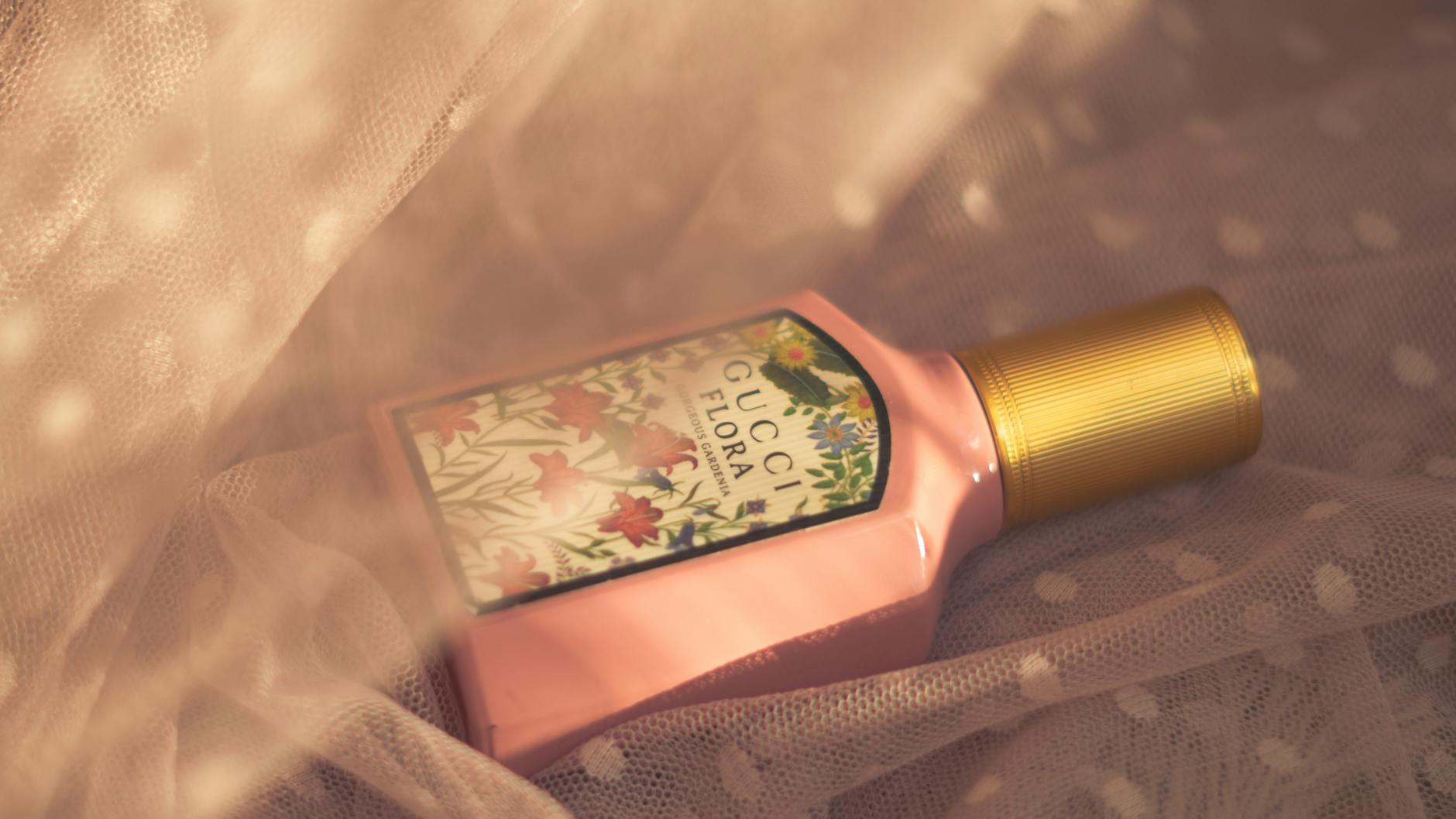
New Leadership and Strategic Recalibration
Kering’s decision to replace leadership was both necessary and risky. Stefano Cantini brought a focus on operational efficiency and profitability—the opposite of Michele’s artistic maximalism. Demna Gvasalia, arriving as creative director in March 2025, represents a deliberate tonal shift. Gvasalia is known for conceptual precision and controlled aesthetics rather than experimental excess. The strategic mandate is explicit: reconnect Gucci with luxury fundamentals and restore the brand’s aspirational quality rather than chase trend cycles. This is where a real warning applies.
new creative directions often take 18 to 24 months to resonate with customers and stabilize financial performance. Early collections may look good to critics but fail to move merchandise, which is what matters. The Giglio bag, which emerged as one of the brand’s most successful launches in the Cruise 2026 collection, suggests some momentum is possible. New leather goods lines are also reportedly performing strongly. But these isolated successes don’t yet constitute a turnaround. Gucci remains on probation.
The Secondary Market Reality
One telling metric: Gucci and Louis Vuitton remain the most purchased luxury brands on eBay worldwide in 2025, even as Gucci’s primary sales collapse. This disconnect reveals something important about Gucci’s current position. The brand still moves volume in the pre-owned market, which means bags, shoes, and accessories from the Michele era still have buyers. Collectors and resellers view them as culturally significant, even if they’re no longer current. This sustains residual brand equity but also masks the underlying problem—people want to own Gucci’s past, not its future.
The secondary market’s vibrancy also highlights the gap between perception and reality. A consumer browsing eBay sees thousands of Gucci listings at accessible prices and might assume the brand is thriving. In reality, they’re buying inventory that couldn’t sell at retail. This can become a vicious cycle: if pre-owned supply grows faster than new demand, the brand’s exclusivity erodes further, and the secondary market itself declines. Gucci needs new product to matter more than old product, and that hasn’t happened yet.

Should You Buy Gucci in 2025?
For jewelry and precious metals buyers, Gucci’s current position creates both opportunity and risk. Opportunity: current season pieces may be discounted or on sale as retailers reduce inventory, and future collectors might value 2025 Gucci as a transition period between two eras. Risk: if Gvasalia’s direction doesn’t resonate and sales continue to decline, the resale value of pieces purchased today could contract further. Buying Gucci right now is essentially a bet on the new creative direction working.
Compare this to buying a heritage brand like Chanel or Hermès, where pricing holds steadier because demand remains reliably strong. Gucci pieces offer higher absolute style risk and potentially higher reward—if the brand successfully reinvents itself, early purchases of the new collection could become valuable. But they also offer lower security of value compared to established luxury houses. If you’re buying for investment purposes, current conditions favor established alternatives. If you’re buying for personal enjoyment, the discount on current merchandise is real.
The Brand Perception Problem
Gucci faces a perception crisis beyond financials. Over the past five years, the brand became shorthand for conspicuous consumption, logo saturation, and trend-chasing rather than timeless elegance. This is difficult to reverse because perception change requires sustained consistency over years, not months. A customer who associates Gucci with overdone maximalism won’t be convinced by a single season of more minimal designs. They’ll need to see that the new direction is genuine and enduring.
There’s also the warning that Gucci’s massive distribution infrastructure—it operates in virtually every market globally—may work against recovery. When a brand is available in 500 locations worldwide, it becomes harder to create exclusivity and aspiration. High-end competitors like Hermès limit distribution deliberately to maintain scarcity and prestige. Gucci’s stores are everywhere, which dilutes its luxury positioning. Fixing this would require painful store closures and wholesale partner reductions, decisions Cantini may not have the mandate to execute.
Specific Success Stories in the Collection
The Giglio bag launch in Cruise 2026 offers a concrete example of what successful Gucci product can look like under new direction. Rather than overwrought embellishment, the Giglio represents refined simplicity with heritage proportions. Early response suggests it’s resonating with the exact customer segment Gucci needs to win back: established luxury consumers who appreciate craftsmanship over trend noise.
This single launch doesn’t validate the entire strategy, but it proves the new team understands what went wrong. Similarly, reports of strong performance in new leather goods lines indicate that foundational categories—the ones customers expect luxury brands to excel in—are getting proper attention. These aren’t headline-grabbing, Instagram-friendly pieces. They’re the kind of items that build lasting brand relationships because they deliver consistent quality and timeless appeal.
What Comes Next for Gucci
The brand faces a critical window over the next two to three years. If Gvasalia’s collections continue to gain traction and sales stabilize, Gucci could reclaim meaningful ground in the luxury market. The infrastructure is still there—boutiques, supply chains, heritage archives. The problem is cultural and creative, which are actually fixable.
Conversely, if 2026 brings continued sales declines, we may be witnessing the beginning of a long-term repositioning where Gucci becomes a secondary brand within Kering’s portfolio rather than a flagship. Looking forward, Gucci’s coolness isn’t determined by what the brand did in the past or what it looks like today. It’s determined by whether influential customers, editors, and collectors decide the new work is worth paying attention to. That decision is still being made, quarter by quarter.
Conclusion
Gucci in 2025 is a brand in transition, not a brand in decline. There’s a meaningful difference. Transition implies direction and potential; decline implies entropy. The financial numbers are objectively bad, and that’s unlikely to reverse quickly.
Wealthier customers have moved to competitors, and winning them back requires more than new leadership and better design—it requires time and consistency. For anyone considering a Gucci purchase, evaluate it on present merit rather than past reputation. The brand’s next chapter is being written now, and early readers are still deciding whether it’s worth following. That uncertainty is precisely what defines Gucci’s cool factor in 2025: not definitively cool, but not definitively over either.