
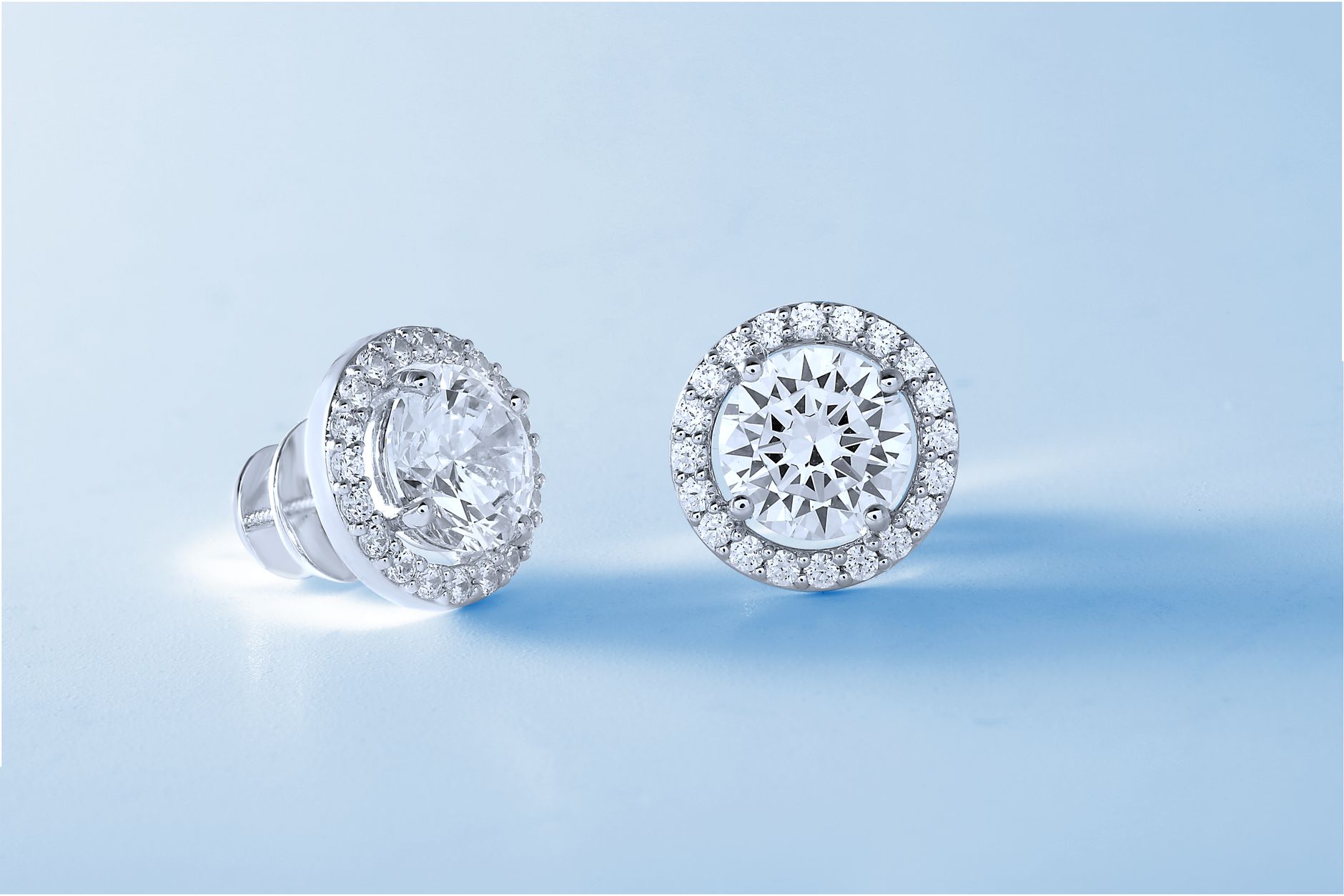
A jewelry certificate number that does not match the listing is a reason to pause the purchase. Do not assume the certificate belongs to the item until the seller corrects the discrepancy with matching documentation and images. For diamonds, the "certificate" is usually a grading report from a laboratory. Its report number identifies the specific stone described in that document, not every similar-looking stone in a seller's inventory.
Table of Contents
- What a number mismatch can mean
- Compare more than the certificate number
- Certificates, appraisals, and store paperwork are different
- What to request before buying
- If you already received the jewelry
What a number mismatch can mean
A mismatch may be a simple listing error. A seller can upload the wrong report, copy details from another item, or leave an old certificate number in a relisted product page. It can also mean the displayed report belongs to a different diamond or gemstone.
That matters because the report's carat weight, measurements, color, clarity, cut information, and comments may not describe the stone being offered. A report number alone does not establish that a finished ring, pendant, or bracelet contains the documented stone. The listing's photos, stone details, and report must point to the same item.
Compare more than the certificate number
Ask for the full report, not just a number typed into the listing. Compare the report details against the product description and recent images of the actual jewelry.
Look for matching information such as: Some diamonds have a microscopic laser inscription on the girdle, the thin outer edge of the diamond. If the grading report states that the diamond is inscribed, a close image or in-person inspection should show the same report number.
- Stone shape and carat weight
- Measurements, which are the stone's length, width, and depth
- Color and clarity grades for diamonds
- Cut grade, fluorescence, and notable comments
- Mounting metal, side stones, and total weight where applicable
Certificates, appraisals, and store paperwork are different
A grading report describes the quality characteristics of a loose diamond or gemstone. It is not a guarantee of retail value, and it usually does not describe the finished setting. An appraisal estimates value for a stated purpose, often insurance.
It may cover the completed piece but is not a substitute for a diamond grading report. A store receipt, warranty card, or authenticity certificate may identify the seller's product, yet it does not carry the same meaning as an independent laboratory report. Read the document title and issuer carefully before relying on it.
What to request before buying
Contact the seller in writing and identify the exact mismatch. A responsible response should provide corrected listing details or explain which document belongs to the item.
Request: If the seller cannot supply consistent information, choose not to proceed. A lower price does not make conflicting stone documentation less important.
- A legible image or PDF of the complete grading report
- Current photos or video of the exact jewelry, including the center stone
- A close-up of the inscription, when the report indicates one
- Written confirmation that the report number, stone, and listing refer to the same item
- The return period and who pays return shipping if the item differs from the description
If you already received the jewelry
Keep the listing, receipt, messages, packaging, and every document that arrived with the piece. Photograph the certificate number and the jewelry as received before returning or altering anything.
Use the seller's written return process within its stated window. If the seller says the certificate was attached by mistake, request a corrected document that matches the delivered item rather than accepting an unsupported explanation.