

Burberry is not cool in 2025—at least not in the way it once was. The British luxury house that defined check-pattern status in the early 2000s has become synonymous with overbranding, oversaturation, and a credibility crisis that no amount of runway spectacle can hide. Among younger consumers, the brand has become something to avoid rather than aspire to, with investigation interest among 18-24 year olds dropping 12 percentage points between June and October 2025 alone. Walking into a room with a Burberry bag no longer signals taste; it signals that you’ve missed the memo about what luxury actually means now. That said, Burberry hasn’t completely collapsed.
The numbers are brutal—FY2025 revenue fell 15% to £2.46 billion, adjusted operating profit cratered to £26 million (down from £418 million the previous year), and the brand lost $2 billion in value in 2024, a staggering 42% decline. But by Q2 2025, the company posted its first comparable sales growth in two years, rising 2% to £1.03 billion, and it actually re-entered Lyst’s hottest brands ranking after a year-long absence. China, where Burberry once ruled, saw sales return to growth at 3% after more than a year of decline. So Burberry’s status is contradictory: financially devastated and creatively adrift, yet showing early signs that its turnaround strategy might actually work. For luxury consumers, particularly those who value precious metals and fine jewelry over logo-heavy fashion, the real question isn’t whether Burberry is cool—it’s whether cool ever mattered to it at all.
Table of Contents
- What Happened to Burberry’s Luxury Crown?
- The Gen Z Problem That Numbers Can’t Hide
- Early Signals of Recovery—And Why They Matter
- What “Cool” Actually Means in Luxury Right Now
- The Authenticity Question That Haunts Heritage Brands
- The Heritage Factor That Might Save Burberry
- Will Burberry Ever Be Cool Again?
- Conclusion
What Happened to Burberry’s Luxury Crown?
Burberry’s problem is not that the brand is cheap or poorly made. The problem is that it became too visible. During the 2000s and early 2010s, Burberry exploded in popularity among aspirational shoppers who wanted a recognizable luxury brand. The iconic check became ubiquitous—on scarves, bags, umbrellas, and eventually on everything from phone cases to dog collars. This democratization worked spectacularly for revenue growth until it didn’t. True luxury, as anyone who collects fine jewelry knows, is about scarcity and exclusivity.
When everyone can afford and access a Burberry scarf, it stops being a luxury signal. The company’s May 2025 announcement that it would cut 1,700 jobs—18% of its workforce—and target £60 million in cost savings by 2027 reflects a deeper reckoning. The restructuring, part of a “Timeless British Luxury” pivot, acknowledges that Burberry spent years chasing volume instead of protecting prestige. Compare this to how luxury jewelry houses operate: they maintain tight control over distribution, never discount, and build waitlists for sought-after pieces. Burberry’s previous strategy was the opposite, flooding department stores and discount outlets with branded goods. This left the brand perceived as overrated and pretentious by younger consumers, while simultaneously failing to maintain the mystique that defines true luxury positioning.
The Gen Z Problem That Numbers Can’t Hide
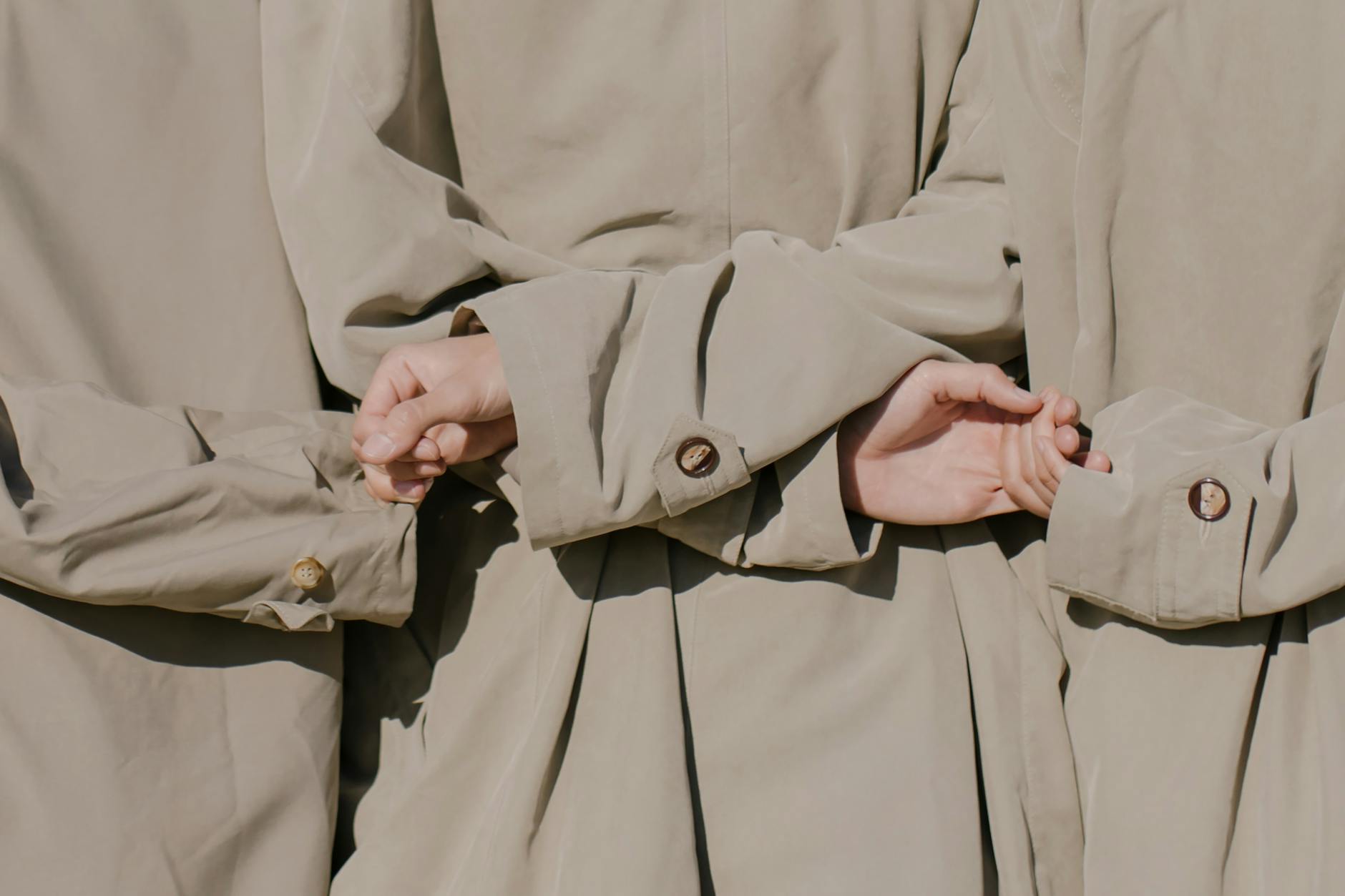
The data reveals something deeper than a sales decline: Burberry has a credibility crisis with the generation that will define luxury consumption for the next two decades. Among 18-24 year olds, brand investigation dropped 12 percentage points in just five months (June–October 2025), indicating that Gen Z is actively losing interest. What’s more telling is the polarized perception: some view Burberry as iconic and reputable, while others dismiss it as overrated and pretentious. There is no middle ground anymore, and no middle ground is worse than being universally admired. This is a warning sign that luxury brands ignore at their peril.
Unlike precious metals or fine jewelry, where quality and craftsmanship can be objectively assessed, fashion relies heavily on perception and cultural cache. Once that cache erodes, it’s extraordinarily difficult to rebuild. Burberry’s limitation is that it can’t simply cut production and raise prices without looking cynical—it already tried the exclusivity angle with previous strategic shifts, and customers remember the false pivots. The brand is stuck proving it’s serious about luxury again, not just pretending to be. For a company accustomed to rapid commercial success, that kind of patient, incremental credibility repair is genuinely difficult.
Early Signals of Recovery—And Why They Matter
The Q2 2025 turnaround is real, though modest. Comparable sales growth of 2% to £1.03 billion stopped the bleeding, and more significantly, it indicates that Burberry’s restructuring under creative director Daniel Lee might be working. China’s 3% sales increase is particularly meaningful—China has been the battleground for luxury brands over the past decade, and Burberry’s ability to stabilize there suggests that the brand still holds some appeal among ultra-high-net-worth consumers who value heritage. The fact that Burberry re-entered Lyst’s hottest brands ranking is a signal that critical interest and editorial favor are returning, even if mainstream cool still eludes the brand.
These recovery signals carry a real caveat: early momentum doesn’t guarantee sustained growth. Burberry spent enormous amounts on this turnaround—restructuring, leadership changes, a strategic pivot toward “Timeless British Luxury,” and a refocused product strategy. The company is essentially betting everything on returning to its core identity as a heritage British brand rather than trying to be the next fast-fashion luxury juggernaut. If it succeeds, the playbook becomes interesting for other overextended luxury houses. If it fails after another year or two, Burberry risks becoming a cautionary tale: a brand that had every advantage—heritage, craftsmanship, recognition—and squandered it through overcommercialization.

What “Cool” Actually Means in Luxury Right Now
The failure of Burberry to remain cool is inseparable from what “cool” means in 2025 luxury consumption. For precious metals and fine jewelry, cool has never meant visibility or recognizability. It means rarity, authenticity, and a sense that the consumer knows something others don’t. It means not needing a logo to communicate value. Burberry, by contrast, was built on visible logos and recognizable patterns. That approach worked when luxury was primarily about signaling status.
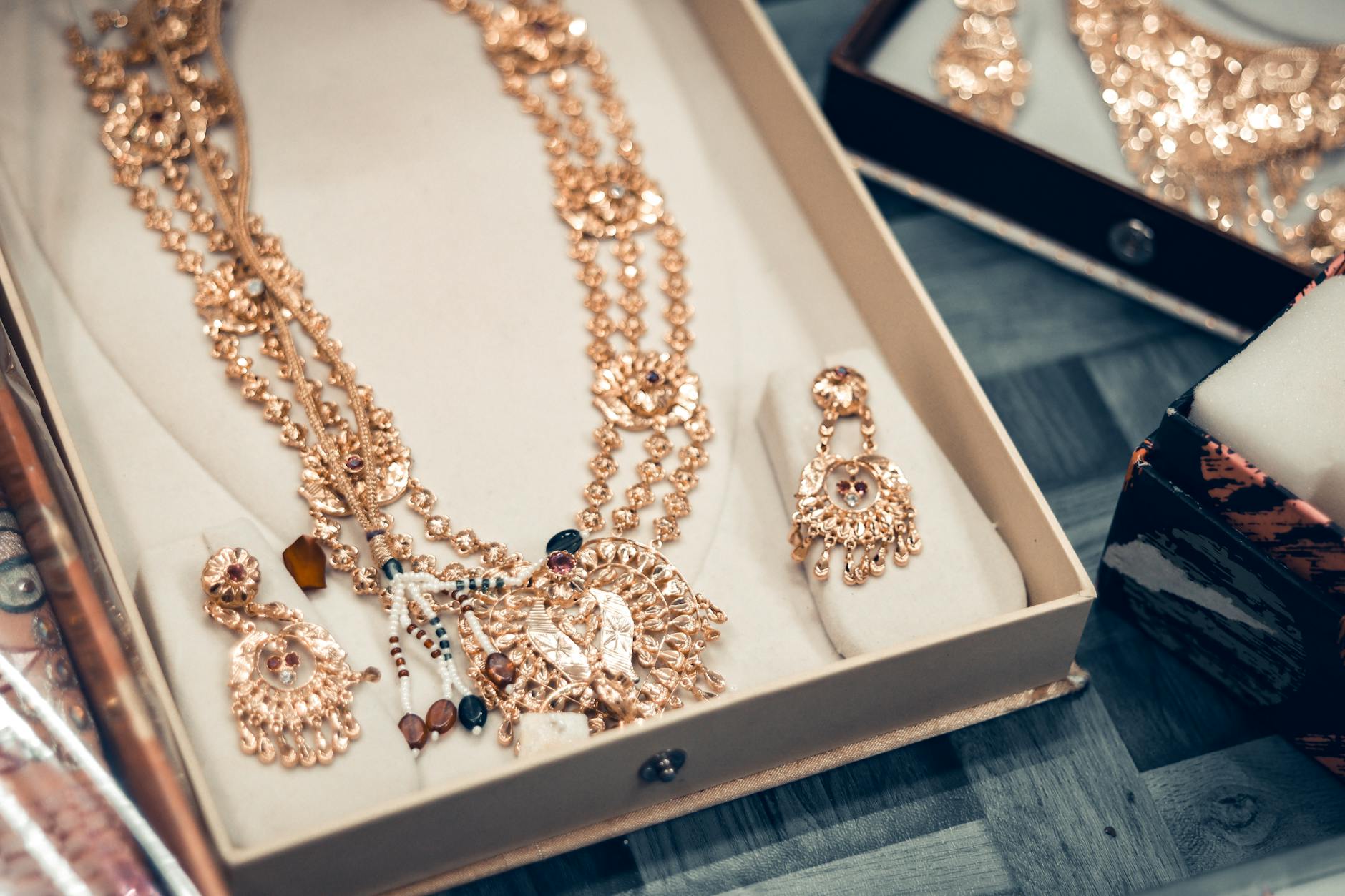
It doesn’t work anymore. Today’s cool in luxury is quieter, more discerning, and far less interested in what Burberry historically offered. Consumers want pieces that improve with age, that have personal meaning, and that exist outside trend cycles. A perfectly crafted gold bracelet or a pair of vintage gemstone earrings signals more sophistication to a knowledgeable observer than a Burberry handbag ever could. The comparison isn’t entirely fair—jewelry and fashion occupy different categories—but the underlying principle is the same. Burberry’s challenge is that it built its brand promise around visibility and recognition, the very things that make something uncool in contemporary luxury. Rebranding yourself around the opposite values takes years, not quarters.
The Authenticity Question That Haunts Heritage Brands
One of Burberry’s persistent problems is that consumers don’t trust its pivot toward “luxury” and “heritage” because they remember when it wasn’t positioning itself that way. The brand spent two decades aggressively pursuing volume, licensing agreements, and mass-market distribution. Now it’s asking people to believe that it’s actually an exclusive heritage brand. The skepticism is warranted. It’s the authenticity equivalent of a person who spent years being known for something suddenly claiming they were always about something else.
People remember the old version. This is where Burberry’s restructuring and job cuts actually matter operationally, even if they hurt symbolically. By cutting 1,700 employees and consolidating operations, the company is signaling that it’s serious about a different path forward. But there’s a real risk: if the turnaround strategy tightens supply and raises prices too aggressively, Burberry runs the danger of appearing predatory—taking advantage of remaining brand loyalty to squeeze higher margins rather than genuinely repositioning toward quality. Heritage jewelry brands avoid this trap by maintaining consistent pricing and transparent production practices. Burberry has to prove that its pivot is genuine and not just another commercial strategy wearing different clothes.
The Heritage Factor That Might Save Burberry
What Burberry has that many struggling luxury brands lack is genuine heritage—Thomas Burberry founded the company in 1856, pioneered the gabardine fabric, and dressed explorers and soldiers. The trench coat is an actual historical artifact with real cultural weight. Unlike brands that invented themselves wholesale in the last decade, Burberry has 169 years of legitimacy to draw from. The danger, as the company has learned painfully, is that heritage only matters if you honor it.
Daniel Lee’s appointment as creative director in 2023 suggested that Burberry was taking its archives seriously. Under his direction, the brand has moved away from the hypervisible check pattern and toward more restrained, classically British designs. Whether this actually resonates will become clear over the next 12-24 months. What’s certain is that Burberry can’t return to being the brand it was in 2003. It can only move forward by remembering what it was before it became a status symbol for everyone.
Will Burberry Ever Be Cool Again?
Probably not in the way it was, and that might actually be fine. Burberry is more likely to succeed by abandoning the idea of being cool and instead embracing the idea of being timeless. Timeless is better than cool anyway—cool is fleeting and dependent on cultural whim, while timeless is sustainable and self-evident. If Burberry can execute on the strategy it’s building, it might become the brand that serious luxury consumers choose quietly, without needing anyone else to validate their choice.
The next 12 months will be critical. The company has to prove that the Q2 2025 recovery is real, that China’s stabilization continues, and that creative decisions are actually improving the brand rather than just managing a decline. The workforce reduction and restructuring costs are brutal in the near term, but they’re also necessary signals that this time, the pivot is real. For now, Burberry is in a state of productive crisis—financially wounded but operationally rebounding, with just enough early momentum to justify the costly restructuring it’s undertaken.
Conclusion
Is Burberry still cool in 2025? No. But the question itself misses the point of what Burberry needs to become. The brand’s value crisis is real, its credibility with younger consumers is shattered, and it faces years of careful work to rebuild its reputation as anything more than a symbol of overcommercialized luxury. The financial numbers are brutal—a 42% drop in brand value in a single year, operating profits that collapsed to £26 million, and a 15% revenue decline are not the signs of a brand in a recovery phase; they’re the signs of a brand in free fall that’s just barely managing to stop itself.
Yet there are genuine reasons for measured optimism. First growth in two years, China’s returning appetite for the brand, and early creative signals that Daniel Lee understands the assignment all suggest that Burberry’s restructuring might actually work. The brand’s true path forward is not to chase cool or visibility but to return to what made it valuable in the first place: authenticity, heritage, and the kind of quiet confidence that doesn’t need a visible logo to communicate worth. That’s the lesson that Burberry, and perhaps all overextended luxury brands, needs to learn.