

Styling Burberry like a professional comes down to understanding the brand’s core identity—mixing timeless British heritage with modern sophistication—and knowing how to build cohesive outfits that let the quality speak for itself. The key is treating Burberry pieces as investment anchors rather than trend statements. A classic Burberry trench coat, for instance, should form the foundation of your wardrobe, paired with elevated basics and jewelry that complements rather than competes with the brand’s clean aesthetics.
Professional Burberry styling emphasizes restraint and intentionality, letting the distinctive tailoring and check patterns work within a broader narrative rather than dominating it. The distinction between wearing Burberry and styling Burberry professionally lies in curation. Many people buy individual pieces without considering how those items interact with the rest of their wardrobe or personal brand. When you approach Burberry styling strategically, you’re creating a cohesive visual language that reads as refined and deliberate, not haphazard or logo-forward.
Table of Contents
- What Makes Burberry a Foundation Luxury Brand?
- Building a Burberry Capsule That Works Across Multiple Contexts
- Pairing Burberry with Fine Jewelry and Luxury Accessories
- Seasonal and Occasion-Based Styling Approaches
- Common Mistakes That Undermine Burberry Styling
- Investment Pieces That Appreciate in Confidence Over Time
- The Evolution of Burberry Style in the Contemporary Landscape
- Conclusion
What Makes Burberry a Foundation Luxury Brand?
burberry‘s design philosophy rests on functional elegance and heritage craftsmanship. The brand was founded in 1856 as an outerwear specialist, and this DNA remains evident in every collection—whether it’s the iconic gabardine or the evolution of the now-famous check pattern introduced in the 1920s. Understanding this heritage is essential to styling Burberry pieces correctly. The brand doesn’t trend; it endures.
This means the pieces you invest in today should feel relevant five years from now, and that longevity attracts people who value substance over seasonal fads. A comparison illustrates this point: fast-fashion luxury brands bank on novelty and rapid design cycles, while Burberry maintains a slower, more deliberate approach to color and cut changes. This stability makes it easier to build a cohesive wardrobe, because a camel Burberry coat from three years ago integrates seamlessly with current pieces. The practical implication is that you can invest in classic colors—camel, black, navy, burgundy—without worrying that they’ll look dated or clumsy next season.

Building a Burberry Capsule That Works Across Multiple Contexts
A professional Burberry wardrobe typically begins with three foundational pieces: the trench coat, a tailored blazer, and a structured bag. These items should serve as anchors to which you add secondary pieces—knitwear, dress shirts, trousers—that share Burberry’s commitment to tailoring and proportion. The mistake many people make is buying Burberry pieces in isolation without considering how they’ll work with the 80 percent of their wardrobe that isn’t Burberry. One limitation to acknowledge: Burberry’s price point means most people can’t furnish an entire wardrobe with the brand.
This requires intentional mixing. For example, a Burberry trench paired with well-fitting jeans from another brand and a silk blouse from a different luxury house reads far more sophisticated than someone wearing head-to-toe Burberry logos. The mixing also prevents the visually jarring effect of over-branding, which can read as insecure rather than confident. The key is ensuring that non-Burberry pieces have similar standards for tailoring and fabric quality; pairing a Burberry blazer with poorly-constructed basics undermines the entire effect.
Pairing Burberry with Fine Jewelry and Luxury Accessories
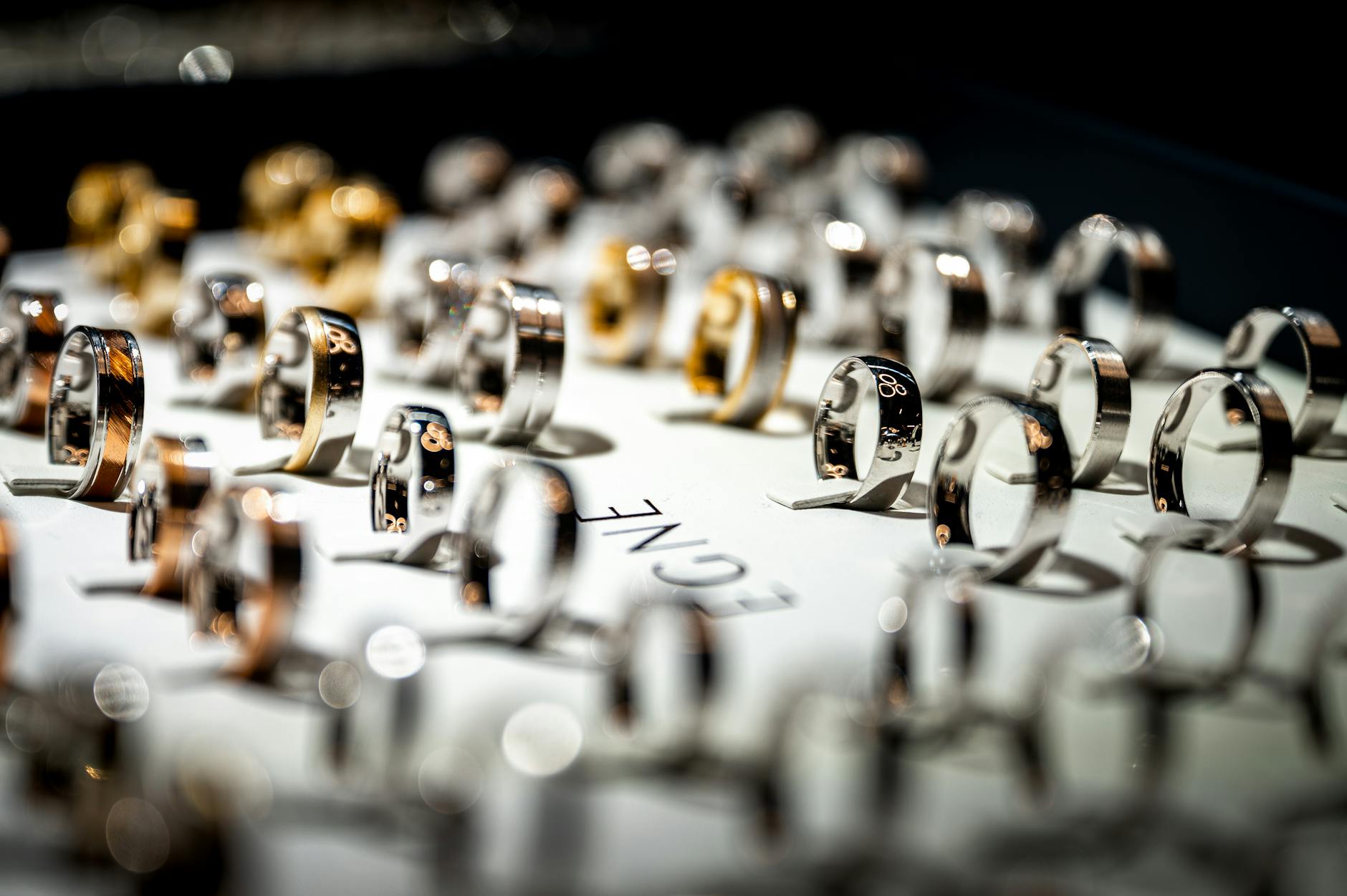
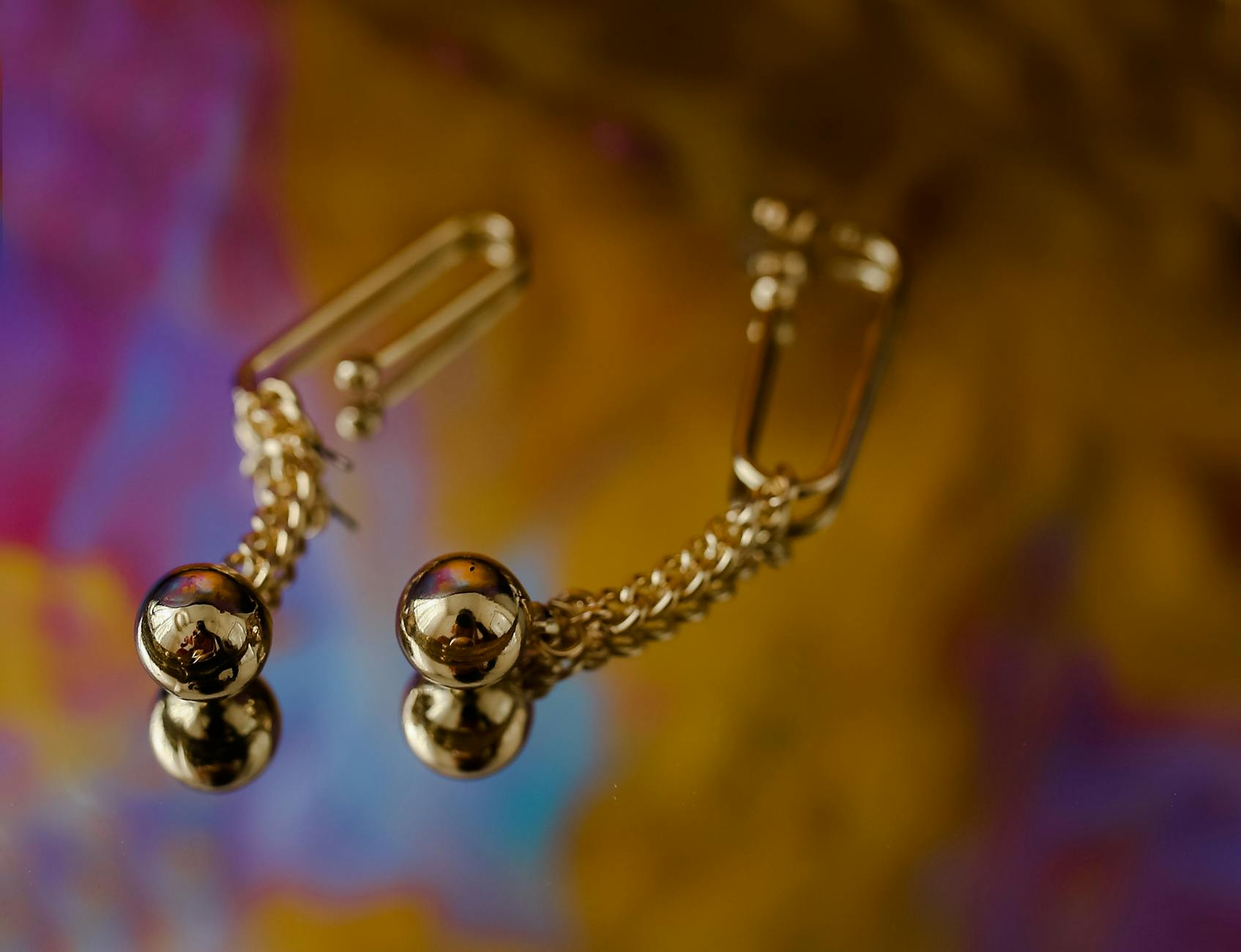
Burberry pieces have a quiet confidence that pairs beautifully with fine jewelry, but the approach differs from how you might style, say, a statement designer dress. Burberry’s aesthetic is inherently restrained, so jewelry should enhance rather than announce itself. A Burberry check coat worn with delicate gold jewels or fine pearl earrings creates a sophisticated visual hierarchy—the tailoring and fabric draw the eye first, and the jewelry provides a subtle punctuation mark. Consider a specific example: a classic Burberry trench in camel worn with a simple gold watch, small gold hoop earrings, and a structured leather handbag creates a polished, professional impression that reads as intentionally curated.
The proportional relationship matters significantly. Oversized jewelry or chunky pieces can overshadow Burberry’s refined lines, making the outfit feel unbalanced. Vintage or heirloom pieces often work particularly well because their understated elegance aligns with Burberry’s sensibility. Sterling silver jewelry, delicate gold chains, and classic gemstone rings complement Burberry far more effectively than trendy or novelty pieces. The brand’s check pattern itself often serves as visual interest, which means jewelry should remain minimal and classic rather than competing for attention.
Seasonal and Occasion-Based Styling Approaches
Burberry’s seasonal collections provide natural guidance for how to evolve your styling throughout the year. The spring collections emphasize lighter weights, fresher colors, and more experimental patterns, while fall and winter bring rich tones, heavier fabrics, and a return to heritage design elements. For professional styling, however, the most effective approach is thinking in terms of baseline pieces that transcend season—the trench, the blazer, the structured bag—and then layering seasonal pieces around those anchors.
A comparison of approaches: someone dressing seasonally might buy new Burberry pieces each quarter, while someone building a professional style invests in one or two foundational seasonal pieces annually and builds outfits by mixing them with existing items. For summer events, a lightweight Burberry dress or a structured check shirt works with gold jewelry and minimal accessories, creating an elegant daytime look. For winter, the trench transitions into a layering base under structured knitwear, paired with leather gloves and a watch. This approach stretches your investment further while maintaining a cohesive visual identity across seasons.
Common Mistakes That Undermine Burberry Styling
The most frequent misstep is wearing too much pattern at once. Burberry’s check appears on multiple pieces—coats, scarves, bags, shoes—and the temptation to layer multiple check items can quickly become overwhelming. A Burberry check coat with a check bag and check shoes reads cluttered and logo-heavy rather than sophisticated. The professional approach is limiting check patterns to one statement piece per outfit, then building around it with solids and complementary neutrals.
Another limitation to understand: Burberry pieces can appear austere or cold if not styled with intention. The structured tailoring and classic aesthetics require supporting pieces that have similar refinement. Pairing Burberry with overly casual basics—wrinkled t-shirts, worn sneakers, oversized hoodies—creates a jarring tonal disconnect that actually highlights the expense rather than creating harmony. The investment only reads as justified when it’s supported by similarly considered choices elsewhere in the outfit. Additionally, some Burberry seasonal pieces push creative boundaries in ways that don’t age well; being selective about which contemporary pieces you invest in, versus which heritage items will remain relevant indefinitely, is essential to maintaining a professional wardrobe that evolves without looking dated.
Investment Pieces That Appreciate in Confidence Over Time
Certain Burberry pieces function as genuine wardrobe investments because their utility and relevance only deepens with age. The trench coat is the obvious example—a classic camel or black trench can be worn continuously for two decades and still feel current. Structured leather handbags in black, burgundy, or camel similarly transcend trend cycles. The reason these pieces maintain such power is that they’re rooted in function as much as aesthetics.
A Burberry trench isn’t primarily a fashion statement; it’s a tailored outerwear solution that happens to be beautifully made and visually distinctive. Consider this specific scenario: a woman purchases a camel Burberry trench at age thirty, wears it consistently for business travel and formal occasions, and at fifty it remains a centerpiece of her wardrobe. The piece has essentially become more valuable over time, not just financially but practically—it’s broken in, it’s proven its staying power, and it communicates a narrative of consistent taste and refinement. This is the professional approach to Burberry: selecting pieces that will anchor your wardrobe for years, then wearing them until they’ve developed a personal patina that can’t be bought.
The Evolution of Burberry Style in the Contemporary Landscape
Burberry under current creative direction has moved toward a more experimental, youthful aesthetic while maintaining its heritage foundation. This evolution creates an interesting tension for someone building a professional wardrobe: do you invest in boundary-pushing contemporary pieces, or stick with heritage basics? The answer depends on your personal brand. If you’re in a creative field, contemporary Burberry pieces can signal cultural awareness and a willingness to take design risks.
If you’re in finance or law, heritage pieces maintain better long-term relevance and communicate stability. Looking forward, Burberry’s sustainability initiatives and focus on durability are likely to become increasingly central to the brand’s identity. This shift supports the professional styling approach of investing in fewer, better-made pieces rather than chasing volume. The future of Burberry styling will likely emphasize the pieces you keep and repair rather than pieces you rotate seasonally, making the investment mindset even more aligned with the brand’s actual direction.
Conclusion
Styling Burberry like a professional means understanding that the brand’s power lies in restraint, heritage, and purposeful tailoring rather than in visible logos or trend-chasing. The most effective approach is building a capsule foundation of classic pieces—trench, blazer, structured bag—and surrounding them with complementary items that respect similar standards of quality and proportion. Jewelry should be subtle, patterns should be used sparingly, and non-Burberry pieces should maintain equivalent refinement to create visual harmony rather than brand-focused disconnection.
Your next step is to audit your current wardrobe and identify one or two foundational Burberry pieces that align with your lifestyle and professional context. Rather than a shopping spree, think in terms of a five-year investment strategy where a few carefully selected pieces become the anchors for everything you build around them. This approach—patient, deliberate, and rooted in quality over quantity—is what separates professional Burberry styling from simply owning expensive things.