

Picking the right socks comes down to matching the sock’s material, weight, and construction to your lifestyle, footwear, and climate. Most people choose socks based on color alone, but the foundation of comfortable feet lies in fiber content—whether that’s merino wool, cotton, synthetic blends, or silk—combined with proper arch support and cushioning in the right zones. A person who spends eight hours in dress shoes needs a fundamentally different sock than someone in athletic shoes, just as someone in a cold climate needs different insulation than someone in heat.
The process involves understanding your primary use case first, then evaluating fiber properties, fit, and care requirements. Someone attending formal events might prioritize thin, breathable dress socks in silk or fine merino wool that won’t bunch under tailored trousers, while an athlete needs moisture-wicking synthetics with targeted cushioning. Even seemingly small details—like whether a sock has a reinforced heel or seamless toe—affect daily comfort and longevity.
Table of Contents
- What Material Should Your Socks Be Made From?
- Understanding Sock Weight and Cushioning Levels
- The Role of Arch Support and Heel Construction
- Matching Socks to Your Footwear
- Common Fitting Problems and How to Avoid Them
- Care and Longevity
- Building a Versatile Sock Wardrobe
- Conclusion
- Frequently Asked Questions
What Material Should Your Socks Be Made From?
The material of your socks determines breathability, temperature regulation, durability, and how they feel against your skin. Merino wool remains the gold standard for most applications because it naturally regulates temperature, wicks moisture away from skin, and resists odor without frequent washing. Unlike regular wool, merino is fine enough to feel soft rather than itchy, making it suitable for daily wear. Cotton is cheaper and widely available, but it absorbs moisture and takes longer to dry, which can lead to blisters and fungal issues during extended wear or in humid climates.
Synthetic materials like nylon and polyester excel at moisture-wicking and durability, which is why athletic socks typically use them. They dry quickly and maintain shape through many wash cycles, but they can feel less natural and don’t breathe as well as natural fibers in moderate temperatures. Silk socks are luxurious and temperature-neutral, but they’re delicate and prone to runs, making them impractical for everyday wear outside of formal settings. A blend—like merino wool mixed with nylon—often offers the best compromise, combining wool’s comfort and temperature regulation with synthetic durability.

Understanding Sock Weight and Cushioning Levels
Sock weight refers to the thickness of the material, ranging from ultralight to heavyweight, and this affects both comfort and performance. Ultralight or thin socks work best in dress shoes, loafers, and warm weather, where bulk would be uncomfortable or cause shoes to fit poorly. These socks offer minimal insulation but maximum breathability, which is essential when you’re wearing shoes that don’t accommodate thick padding. The tradeoff is reduced durability and cushioning—thin socks are more prone to holes and provide less protection against impact.
Midweight socks are the everyday standard for most people and work in casual shoes, sneakers, and moderate climates. They provide noticeable cushioning without making shoes feel tight, and they offer a balance between breathability and warmth. Heavyweight or expedition-grade socks are designed for hiking, cold weather, or standing for long periods, with thick padding in the sole and arch to absorb impact. However, wearing heavy socks in shoes that don’t have room for them will cause blisters and discomfort, and they can make your feet overheat in summer or in well-insulated shoes indoors.
The Role of Arch Support and Heel Construction
Arch support in socks makes a measurable difference in comfort during long days on your feet, particularly if you have flat feet or high arches. Socks with built-in arch compression provide gentle support without requiring special shoes, reducing fatigue and the risk of plantar fasciitis. However, this support is only effective if the sock actually stays in place—a sock that slides down defeats its own purpose. This is why quality socks have grips on the heel and arch, either from added rubber or elastic tension in the weave.
Reinforced heels and toes are where most sock wear occurs, and a well-constructed heel extends a sock’s life significantly. A sock with just one layer in the heel will develop a hole after months of use, while a double- or triple-layer heel can last years. This matters less if you only wear a sock a few times, but for daily use, the reinforcement is worth the higher price. Some premium socks add extra cushioning specifically in the heel strike zone, which reduces impact fatigue without adding bulk everywhere else.
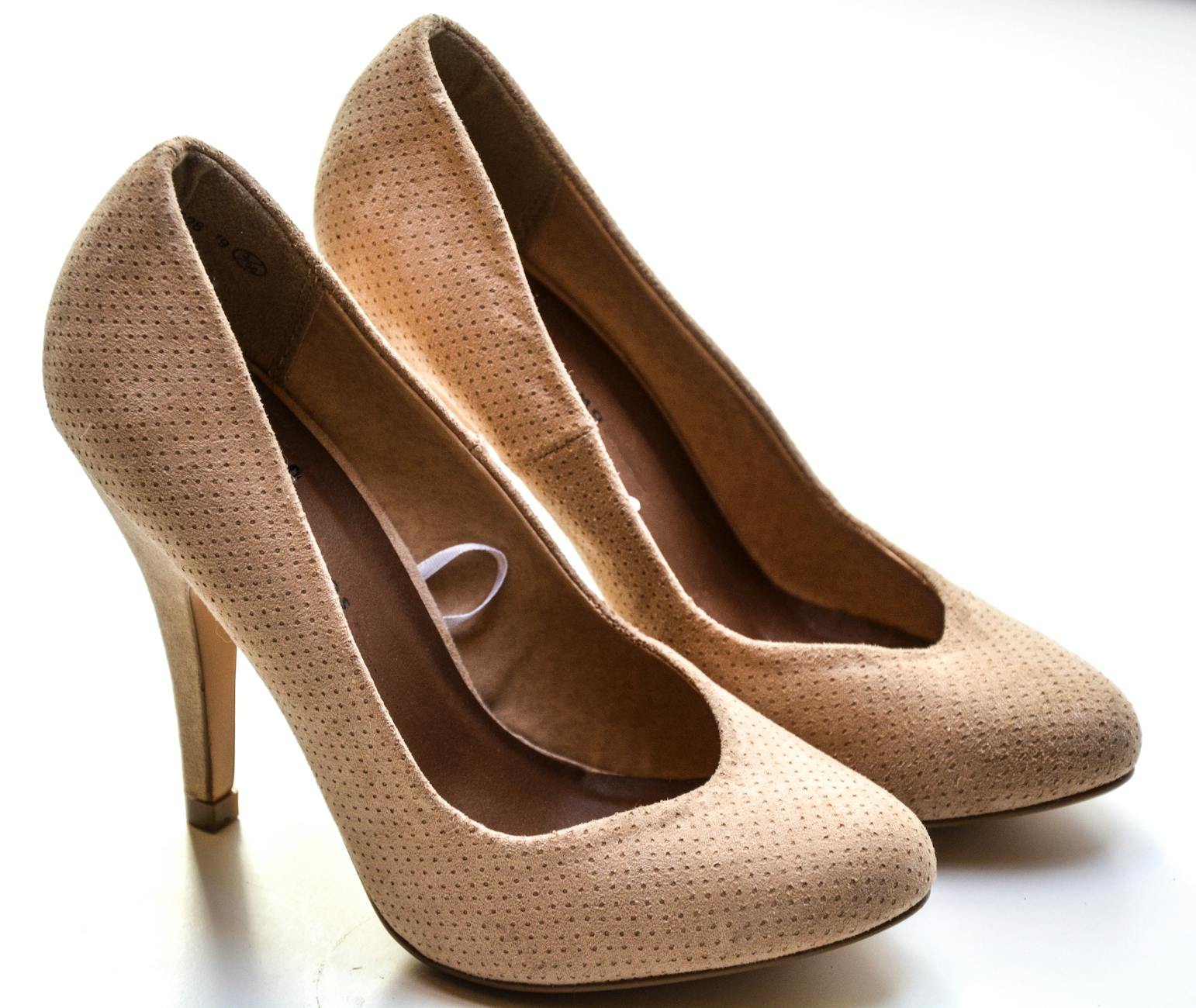
Matching Socks to Your Footwear
The fit of your shoe directly determines what sock works for it. Dress shoes and loafers require thin socks to maintain the shoe’s intended fit and silhouette—wearing thick hiking socks with a suit will create uncomfortable pressure points and make dress shoes feel loose. Conversely, hiking boots and running shoes are designed with sock cushioning in mind, and wearing thin socks in these shoes reduces comfort and increases blister risk. The sock’s thickness should match what the shoe’s designers anticipated.
Consider also how socks interact with shoe materials. Leather shoes benefit from breathable socks that reduce moisture buildup, which prevents odor and extends the shoe’s life. Mesh or canvas shoes can pair with almost any sock weight, but breathable options keep feet cooler. Waterproof or insulated shoes paired with moisture-wicking socks create the best combination for cold, wet conditions—pairing them with cotton socks traps moisture and causes cold feet.
Common Fitting Problems and How to Avoid Them
Socks that slide down or bunch up are usually too loose or made from material without enough grip. This happens most often with thin dress socks in larger shoe sizes, where excess fabric has more room to shift. The solution is finding socks with proper calf tension and heel grips that match your shoe size, or choosing a material like merino that has natural grip.
If you consistently experience this problem, measure your shoe size and sock size separately—some manufacturers size socks by foot dimensions rather than shoe number, and the mismatch is the culprit. Blisters often result from friction between sock and skin, which happens when socks are too thick for the shoe, too loose, or made from material that doesn’t wick moisture. Seamless toes reduce friction points, and moisture-wicking materials prevent the slipping that causes blisters. A warning: if you develop blisters despite trying different socks, the issue may be your shoes rather than your socks—ill-fitting shoes create friction that no sock can fully prevent.

Care and Longevity
How you wash and dry your socks directly impacts how long they last. Merino wool socks should be washed in cool water and air-dried to preserve the fiber’s elasticity; high heat destroys the wool’s structure. Synthetic socks tolerate machine drying better, but even they last longer with air-drying.
Turning socks inside-out before washing reduces pilling on the outside and extends visible life. Avoid fabric softener, which coats fibers and reduces breathability and grip. Bleach degrades elastic and can weaken fibers, so stick to regular detergent. A single pair of quality socks, properly cared for, typically lasts three to five years of regular wear, while cheap socks might last a few months before developing holes.
Building a Versatile Sock Wardrobe
Rather than buying one type of sock, having a small collection tailored to different situations simplifies daily life. A simple approach includes dress socks for formal wear, everyday merino socks for casual days, and specialty socks for specific activities like running or hiking.
This means you always have the right sock for the context, rather than compromising with a generic option. Looking ahead, sock technology continues to improve—brands now offer socks with integrated temperature regulation, antimicrobial treatments that last through multiple washes, and recycled-fiber options that don’t sacrifice performance. Investing in quality socks is underrated; the difference between wearing cheap socks and good socks affects your comfort for eight or more hours daily, yet socks are often an afterthought in how people spend on clothing.
Conclusion
Picking the right socks requires understanding your use case first—whether you need dress socks, everyday socks, or specialty socks—then evaluating material, weight, and construction details that match that context. Merino wool offers the best all-around performance for most situations, while synthetics excel for athletics and cotton serves as a budget-friendly basic option. Details like arch support, heel reinforcement, and proper fit make the difference between socks that last months and socks that last years.
The investment in quality socks pays dividends in daily comfort and foot health, and the process is simpler than most people assume. Start by identifying what you primarily need—warm everyday socks, dress socks, or performance socks—then choose a material and weight appropriate for your climate and footwear. From there, fit and care requirements are straightforward, and you’ll quickly develop an intuition for what works for you.
Frequently Asked Questions
Can I wear the same socks for dress shoes and athletic shoes?
No. Dress shoes need thin socks that maintain the shoe’s fit and appearance, while athletic shoes are designed around thicker, cushioned socks. Using the wrong sock for either compromises comfort and can damage the shoe.
How often should I replace my socks?
Quality socks last three to five years with proper care and regular rotation. If you’re wearing the same pair multiple times a week without letting others dry fully between wears, they’ll wear out faster.
Are expensive socks worth it?
Yes, if you spend significant time on your feet or have foot pain. A quality merino sock costs two to three times more than cheap cotton socks but lasts five to ten times longer and provides noticeably better comfort.
Should I buy socks by shoe size or foot measurements?
Check the manufacturer’s sizing chart, as some use shoe size and others use foot dimensions. A mismatch is usually why socks don’t fit properly.
Can I wear wool socks in summer?
Yes, merino wool regulates temperature and breathes well, so merino socks are comfortable in summer. Avoid heavy woolens and choose ultralight or midweight merino instead.
What causes holes in socks?
Worn heels and toes from friction, weak fiber quality, or high-heat drying that degrades elastic. Choose socks with reinforced heels and always air-dry.