

Picking the right jacket comes down to understanding your lifestyle, body type, and the occasions you need to dress for. The best jacket fits your shoulders properly, flatters your frame, and suits the activities you actually do—whether that’s navigating a professional office, weekend adventures, or formal events. If you wear a blazer to work twice a week and spend weekends in casual settings, you need different jackets for each context. A tailored wool blazer that skims your body without pulling will work for business meetings, while a well-constructed leather or cotton jacket handles relaxed occasions. The fit matters most: sleeves should hit your wrist bone, the jacket should close comfortably at the button without straining, and the shoulders should align with your natural shoulder line.
The jacket you choose also shapes how other pieces—including jewelry and accessories—work together. A structured blazer pairs differently with layered necklaces than a casual linen overshirt. Beyond fit and style, consider the fabric, weight, and care requirements. A heavy wool coat demands different storage and cleaning than a lightweight bomber. Most people benefit from owning three to five core jackets that cover their actual needs rather than aspirational occasions that rarely materialize.
Table of Contents
- What Jacket Styles Match Your Lifestyle?
- Fit Issues That Cost You Money and Confidence
- Choosing Fabrics That Last and Age Well
- Budget-Smart Investment Versus Bargain Shopping
- Common Mistakes and Fit Pitfalls
- Caring for Jackets to Extend Their Life
- Building a Core Jacket Wardrobe
- Conclusion
- Frequently Asked Questions
What Jacket Styles Match Your Lifestyle?
Understanding your daily activities and climate is the foundation of jacket selection. Someone who walks to work in a cool urban environment has completely different needs than someone who drives everywhere in a warm climate. A structured blazer works for office settings, but it won’t protect you in actual weather. If you live in a region with winter, a warm coat isn’t optional—it’s essential. This means choosing between down, wool, synthetic insulation, or heavy cotton depending on temperatures you actually experience. A person in San Francisco might prioritize a lightweight layer for cool evenings, while someone in Chicago needs a serious insulated coat.
The mistake many people make is buying jackets for aspirational activities—a gym-only person buying multiple athletic jackets, or someone who never hikes buying technical outerwear. Instead, look at what you wear and where you actually go in the next month. Different jackets serve different purposes, and mixing these purposes often leads to items that don’t get worn. A leather jacket is excellent for urban casual wear and some business settings, but terrible for hiking or outdoor work. A denim jacket adds texture and works for casual weekend outfits, but looks odd in formal situations. Athletic jackets stay in rotation if you genuinely work out three times a week; otherwise, they gather dust. The most versatile pieces are blazers in neutral colors—navy, charcoal, black, or camel—because they transition between casual and business wear more easily than specialized jackets.
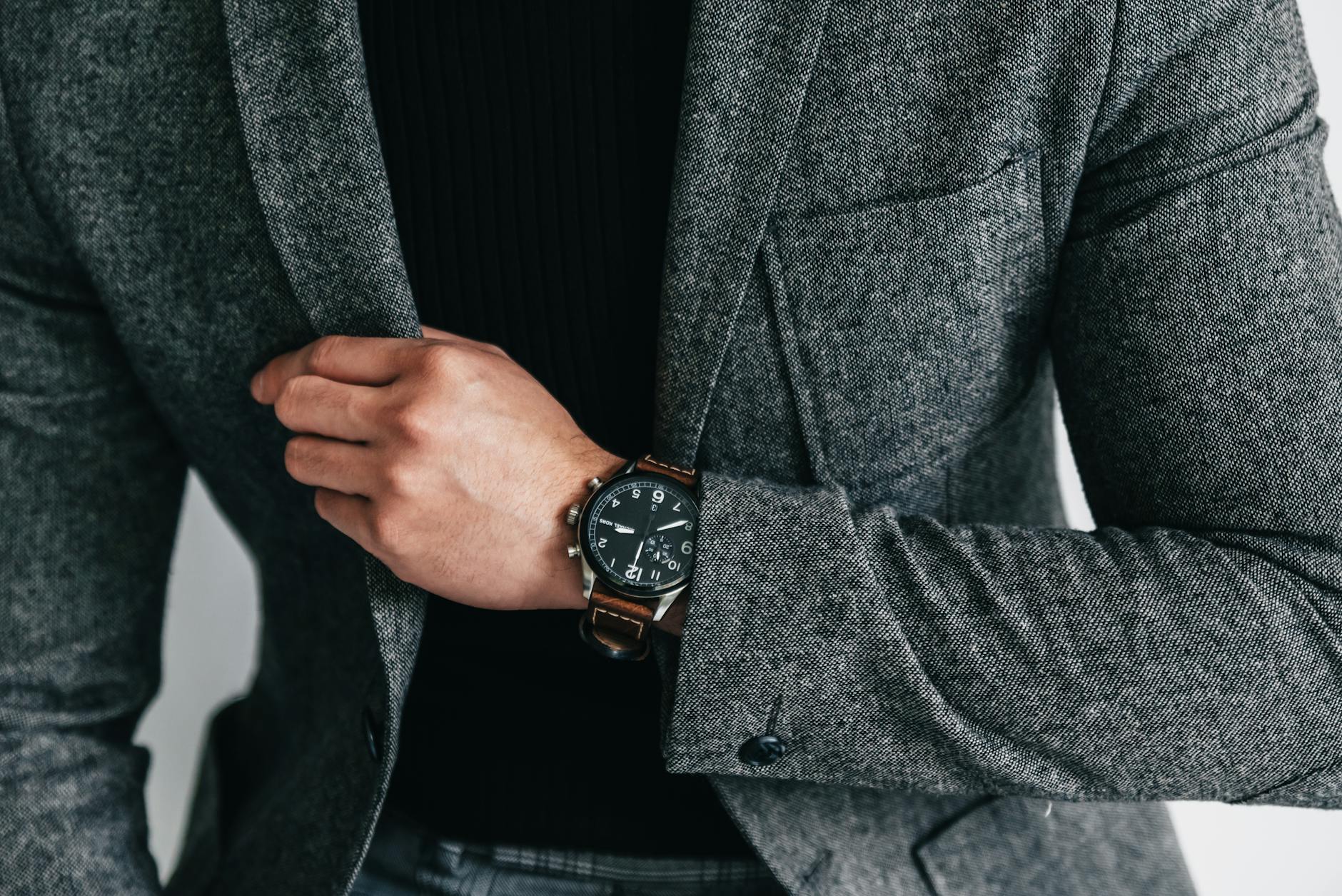
Fit Issues That Cost You Money and Confidence
Poor fit is the number-one reason people don’t wear jackets they’ve bought. A jacket that’s too loose looks sloppy and ages you; a jacket that’s too tight pulls, shows wrinkles when buttoned, and is uncomfortable for extended wear. The shoulders are non-negotiable: if the shoulder seam sits beyond your natural shoulder point, the jacket doesn’t fit, and tailoring can’t fix it. Your sleeve length should reach your wrist bone with a slight bend in your arm, allowing about a half-inch of shirt or blouse cuff to show. The body length depends on jacket type—blazers typically hit mid-hip, while casual jackets might be shorter, and overcoats extend several inches below the hip. One common mistake is buying a jacket in the wrong size hoping tailoring will fix it. Tailors can shorten sleeves, take in sides, and adjust hems, but they can’t make shoulders wider or reshape the overall cut.
Trying on jackets properly means wearing them over the layers you’ll actually wear underneath. A blazer for work needs to fit over a button-up shirt or blouse, not be tested with nothing underneath. A winter coat should fit over sweaters. Many people buy jackets too small because they try them on alone over a t-shirt, then find they can’t button them over normal clothing. Fabric also affects how a jacket feels and moves. A stiff, heavy wool behaves differently than soft, draping fabric—one might feel constricting while the other feels luxurious. Before buying, move your arms overhead, sit down, and reach across your body to make sure the jacket allows normal movement.
Choosing Fabrics That Last and Age Well
Fabric determines how a jacket performs, maintains its shape, and stands up to regular wear. Natural fibers like wool, cotton, and linen offer breathability and improve with age, developing character over time. Wool blazers remain the standard for business wear because the fiber naturally resists wrinkles, maintains its shape, and lasts for years with minimal care. High-quality wool won’t pill if you avoid friction with rough surfaces, and it actually performs better with occasional airing rather than constant dry cleaning. Cotton jackets work for warm climates and casual wear but wrinkle easily and require ironing. Linen is even more prone to wrinkling but offers exceptional breathability for summer layering.
Synthetic and blended fabrics serve specific purposes. Polyester blends are durable, wrinkle-resistant, and easier to care for than pure wool, but many people find them less comfortable and less refined-looking. Leather jackets—whether genuine or high-quality faux leather—develop a patina and character over years of wear, but they require specific care and can crack if neglected. Nylon and technical fabrics excel in outdoor applications where water resistance and durability matter more than appearance. The downside of synthetic fabrics is they pill more easily, don’t regulate temperature as well as natural fibers, and often feel less pleasant against skin. Most people building a versatile wardrobe benefit from starting with wool or cotton blazers, adding one well-chosen leather piece, and then exploring technical fabrics only if specific activities demand them.

Budget-Smart Investment Versus Bargain Shopping
The most expensive jacket isn’t always the best value, and the cheapest option rarely delivers longevity. A $600 wool blazer from a quality brand will outlast a $100 synthetic blazer from a fast-fashion retailer by years—sometimes a decade—but you need to assess what “outlast” means for your life. If you wear a blazer daily for work, investing $400-600 makes sense because you’ll wear it 200+ times per year. If you wear blazers a few times per month, $250-350 is more appropriate. The calculation changes entirely for casual jackets. A $150 denim jacket worn weekly gets $1-2 per wear; a $400 designer denim jacket gets $2-3 per wear if you love it and wear it often. The difference isn’t significant enough to always justify the premium.
Brand reputation matters, but not always the brands you’d expect. Heritage brands with decades of jacket-making tradition offer consistency in fit and quality, which saves you from buying multiple sizes and styles to find something that works. Fast-fashion retailers save money through cheaper materials and looser quality control, meaning fit varies wildly between sizes and even among the same size. Mid-market brands—$200-400 range—often deliver the best value by using decent materials and maintaining reasonable quality without luxury brand pricing. Consider whether you’ll actually tailor a jacket before buying. If you’re willing to spend $50-100 tailoring something, you can sometimes find better-fitting jackets in a lower price range and adjust them. If tailoring feels like an extra expense, buy something that fits well off the rack, even if it costs more.
Common Mistakes and Fit Pitfalls
Many people buy jackets in colors that don’t work with the rest of their wardrobe. A striking red or mustard jacket is interesting as a statement piece, but if you already own mostly earth tones or cool neutrals, you’ll have trouble coordinating it. Black and navy are timeless for good reason—they work with nearly everything. Charcoal and camel are equally versatile and slightly more interesting than black. Bright colors and unusual shades work best as additions to an already-stable wardrobe, not as your first jacket. Another common error is buying jackets that are too long for your frame. Oversized silhouettes are trendy, but they age quickly and make many body types look heavier.
A jacket that reaches past your hip is generally working against you—it needs to be intentionally styled and works best on taller frames. Ignoring weather appropriateness leads to closets full of decorative jackets that never get worn. If you live where it rains regularly, a jacket that isn’t water-resistant will be frustrating. If you experience cold winters, a lightweight blazer isn’t enough—you need actual insulation. Conversely, owning heavy winter coats in a mild climate creates storage problems and means items sit unused most of the year. One more subtle mistake: buying trendy jacket styles that only work with specific outfit combinations. A very cropped jacket needs to be paired with high-waisted bottoms; a oversized blazer demands careful layering. The most reliable jackets are structured pieces that work with multiple outfit combinations without requiring specific styling tricks.

Caring for Jackets to Extend Their Life
Proper care dramatically extends how long jackets last and keeps them looking good. Most jackets don’t need cleaning after every wear—spot-cleaning stains and airing out the garment between wears is usually sufficient. Over-cleaning wears out fabric, breaks down fibers, and unnecessarily shrinks garments. Wool blazers benefit from being hung on proper wooden hangers in a closet with good ventilation; plastic hangers can leave marks and prevent air circulation. If your blazer develops creases from hanging, a light steaming refreshes it. Professional dry cleaning should happen once or twice a year for regular business blazers, less for casual jackets. Always check the care label, but understand that “dry clean only” is often more conservative than necessary—many wool items survive hand washing in cool water with wool-specific detergent.
Leather jackets need conditioner every six months to a year depending on climate and exposure. Storing leather in a humid environment encourages mold; storing it in very dry conditions cracks the material. Synthetic and technical jackets have specific care based on their construction—read the label and follow the manufacturer’s guidance. Never dry a technical jacket on high heat, as this damages water-repellent coatings. For storage, use padded hangers, ensure your closet isn’t too warm or damp, and protect against moths with cedar or proper storage containers. A jacket stored properly lasts noticeably longer than one crammed into a closet with poor ventilation. The $30-50 invested in proper hangers and storage conditions pays back many times over through extended garment life.
Building a Core Jacket Wardrobe
Rather than owning many jackets, focus on owning the right ones. A practical wardrobe typically includes: one tailored blazer in a neutral color for business and dressier occasions, one casual blazer or structured jacket for everyday wear, one weather-appropriate coat or jacket, and one additional piece in a color or style you love. This gives you flexibility without the burden of maintaining too many items. If you work in business casual, a navy blazer covers professional situations while a camel or gray blazer works as your everyday layer. If your climate requires it, a wool coat or technical jacket handles weather. That leaves one slot for personal preference—leather, denim, linen, or anything that represents how you want to present yourself.
As your wardrobe matures, you might expand thoughtfully. Someone who dresses up frequently might add a second dress coat in a different color. Someone who spends time outdoors might add technical pieces. But the foundation remains quality over quantity. A person with five excellent jackets that all fit properly and coordinate with their wardrobe is better dressed than someone with twenty jackets, half of which don’t fit well or rarely get worn. The future of jacket selection is less about following trends and more about finding pieces that genuinely fit your life and make you feel confident.
Conclusion
Picking the right jacket means focusing on fit first, understanding your actual lifestyle and climate needs, choosing fabrics that will last, and building a coordinated wardrobe rather than collecting pieces randomly. The best jacket is one that fits your shoulders properly, suits activities you actually do, and coordinates with clothes you already own. Starting with one quality neutral blazer and adding weather-appropriate outerwear gives you a foundation that works for nearly everyone.
From there, let your choices reflect your personal style and specific circumstances. Avoid the trap of buying aspirational jackets for activities you rarely do, and resist the pressure to own every trend. A well-chosen jacket is an investment that pays dividends for years—literally, in the cost per wear—while a poorly chosen one sits in your closet taking up space. Take time to try things on properly, be honest about what you’ll actually wear, and prioritize quality in areas that affect daily comfort.
Frequently Asked Questions
How often should I dry clean my blazer?
Business blazers worn daily benefit from professional dry cleaning once or twice per year. Casual blazers worn weekly need cleaning less frequently—once or twice per year or whenever visibly soiled. Spot-clean stains immediately and air out your blazer between wears.
What’s the difference between a blazer and a sport coat?
Blazers are typically more structured and formal, often with a uniform color or pattern, made for business and dressier occasions. Sport coats are more casual, often in textured or patterned fabrics, and work for everyday wear. Sport coats are less formal than blazers but more polished than casual jackets.
Can I tailor shoulders?
No—shoulder tailoring is extremely difficult and expensive. The shoulder seam defines the jacket’s basic structure. If shoulders don’t fit properly, the jacket probably isn’t right for you, regardless of price.
How should I store jackets long-term?
Use wooden or padded hangers, hang in a closet with good ventilation and stable temperature, and protect from humidity and moths. For leather jackets specifically, ensure the environment isn’t too dry (which cracks leather) or too damp (which causes mold).
What’s a good investment price for a quality blazer?
$300-600 is standard for quality wool blazers that last many years. Budget-friendly options exist at $150-250, though fit and fabric consistency vary more. Designer blazers above $800 often reflect brand prestige rather than proportionally better quality.
Do light-colored jackets work as well as dark ones?
Light colors like cream, pale gray, or white show stains more easily and require more frequent cleaning, which wears fabric faster. They work beautifully in certain contexts but require more maintenance. Dark colors are more practical for everyday wear.