
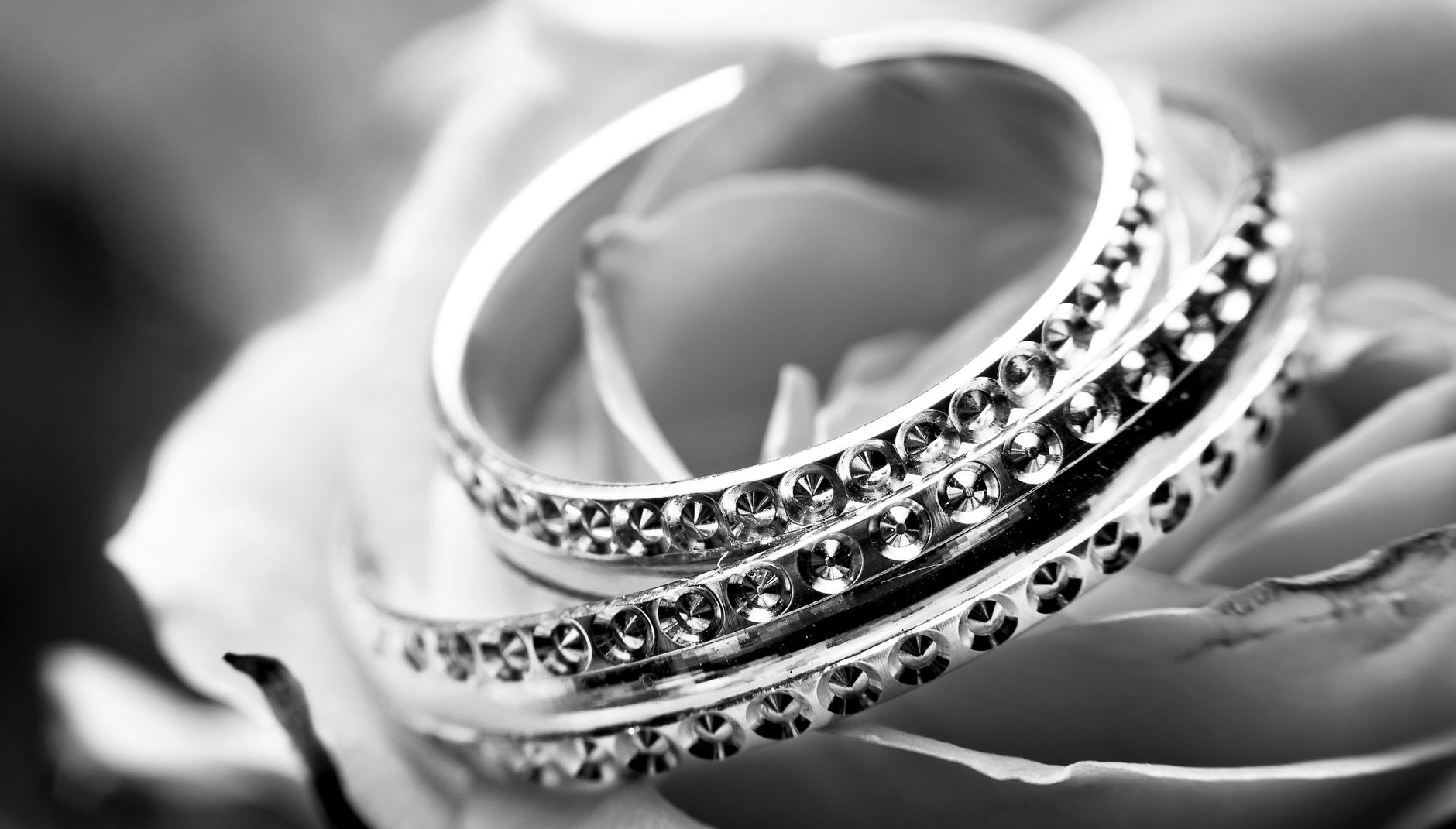
Rhodium-plated jewelry, base metal coated with a thin rhodium layer, costs less upfront than solid gold or platinum. Its retail price mainly follows the underlying base metal.
Rhodium is a rare silvery-white platinum-group metal. According to Brilliant Earth, scarcity makes it the world's most expensive precious metal guide to rhodium plating. Kitco reports jewelers apply it only as a thin electroplate, so solid-rhodium jewelry is extremely rare live rhodium price page.
Table of Contents
- Why plated jewelry costs less upfront
- What controls the sticker price?
- Should you buy white gold or platinum?
- What does replating add over time?
- How do you compare lifetime cost?
Why plated jewelry costs less upfront
Apples of Gold Jewelry explains that only a microscopic rhodium layer is used, so plated pieces sell for less than solid gold or platinum guide to rhodium plating. The base metal sets most of the retail price. Silver-based pieces cost less than white-gold pieces with the same plating.
Solid rhodium is not a normal retail alternative. Shoppers compare plated white gold or plated silver against solid white gold or platinum. The plating adds surface brightness and scratch resistance without solid-metal weight.
What controls the sticker price?
Base metal type drives the starting price. Piece size and design detail also move the price. A heavier chain or detailed setting uses more base metal and labor.
Layer thickness and jeweler pricing change replating cost. Exact prices vary by piece size, base metal, layer thickness, and jeweler. A simple band starts near the low end, while heavy pieces cost more to plate.
Should you buy white gold or platinum?
Platinum settings usually cost more than otherwise comparable 14K white-gold settings. Crown Jewels and Coin reports the gap widens on detailed designs white gold versus platinum ring comparison. Detailed work needs more labor and more costly metal.
White gold without rhodium has a yellowish tint. Buyers who want a bright-white look from cheaper white gold must pay for rhodium plating. Platinum buyers pay more upfront but need no plating.
What does replating add over time?
Replating is recurring maintenance. It typically costs about $50-$150 per session. In 2026, U.S.
averages run about $60-$120 for rings, $80-$150 for necklaces and bracelets, and $100-$200 for large pieces. White gold generally needs replating about every 12-24 months. Wear, skin chemistry, and friction affect the timing. Rings worn daily dull faster than pendants worn on occasion.
How do you compare lifetime cost?
White-gold replating can total roughly $500-$1,500 over 20 years. That maintenance narrows the upfront savings. Long-term owners feel the effect most.
Compare lifetime cost, not sticker price alone. Use the seller's replating quote for your exact piece. Ask your jeweler for the replating price for your exact piece before you buy.
- Ask how often your piece will need replating with daily wear
- Get the replating price for your ring size, chain width, or bracelet weight
- Add 10 and 20 years of maintenance to each upfront price
- Choose platinum if you want higher upfront cost with no plating cycle