
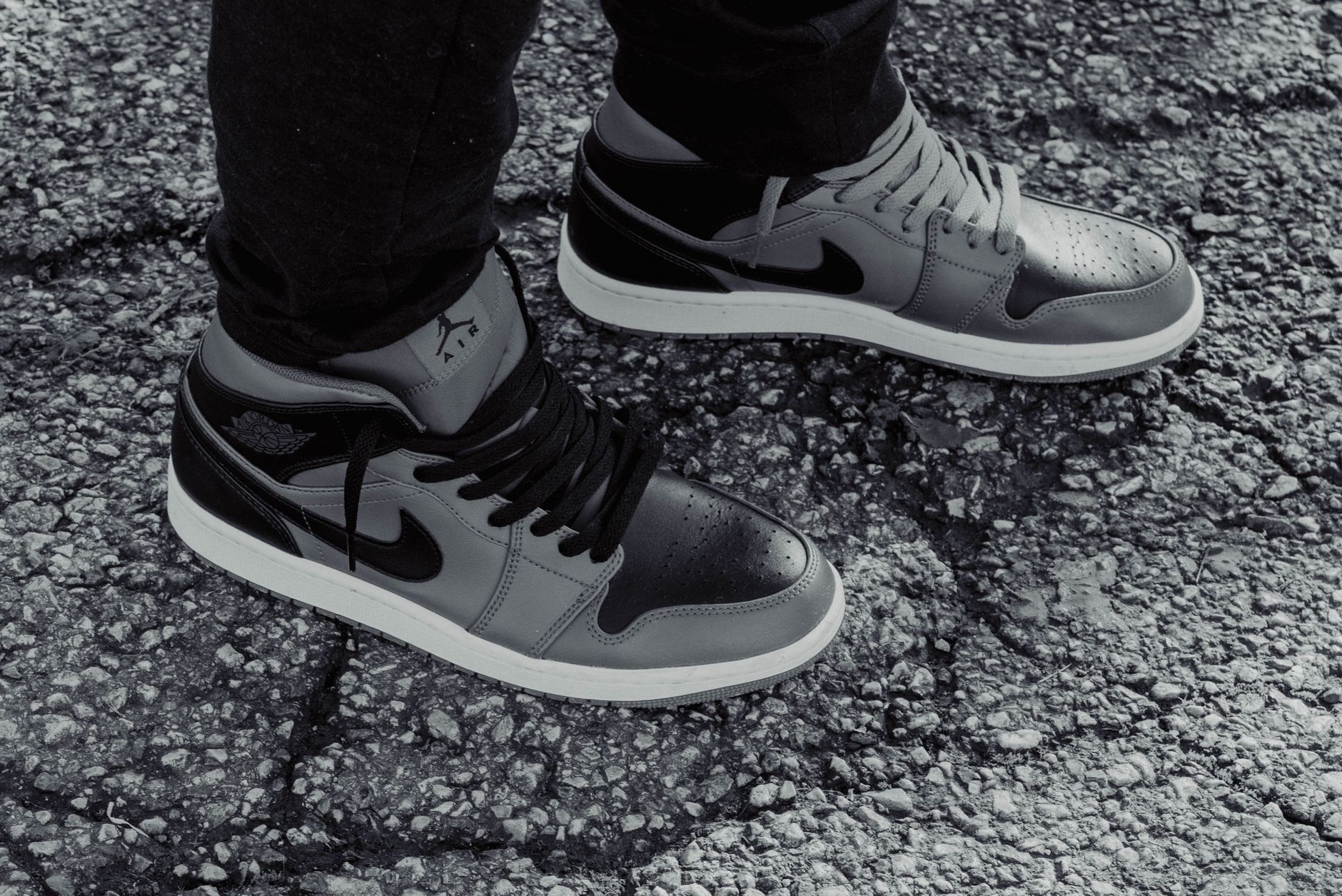
Air Jordan 4 sneakers are highly collectible performance shoes originally designed by Peter Moore in 1989, but I cannot verify the current release status or specifications of a "Pink Thunder" colorway variant as of this writing. Sneaker releases, particularly limited colorways from the Jordan brand, move quickly and their precise design details, availability, and positioning depend on the specific retailer, release date, and manufacturing run—information that requires current manufacturer or retailer confirmation rather than general knowledge. For readers of luxury and precious metals publications, the intersection with collectible sneakers reflects a shift in how high-net-worth individuals allocate capital: limited-edition athletic footwear has become an alternative asset class alongside watches, jewelry, and precious metals, with some rare colorways appreciating significantly over time.
Table of Contents
- Why sneaker collectibles attract the luxury market
- What to know before pursuing limited sneaker releases
- How sneaker collecting differs from traditional luxury investments
- Verifying release information and avoiding speculation
Why sneaker collectibles attract the luxury market
Sneaker collecting parallels precious metals and jewelry collecting in several ways. Both markets depend on scarcity (limited production runs), authenticity verification (provenance and documentation matter deeply), and secondary market resale. A rare Air Jordan colorway can hold or gain value if production numbers are low and demand remains high—similar to how a limited precious metals collectible or designer jewelry piece functions.
Collectors in this space often pursue shoes as wearable art rather than functional footwear, treating them as portfolio additions. The Jordan 4 line in particular has built collector cachet over decades. Early colorways from the 1989 original release and subsequent limited drops have commanded five or six-figure prices at auction for pristine examples. Any new colorway announcement generates speculation about production numbers, retail price point, and long-term value retention.
What to know before pursuing limited sneaker releases
If a specific Air Jordan 4 colorway catches your interest, authentication and condition are non-negotiable. Counterfeits circulate widely in the sneaker market, and purchasing through unauthorized resellers introduces significant risk—similar to the risk of acquiring fraudulent precious metals or jewelry. Legitimate sources include official brand retailers, verified reseller platforms with authentication services, and auction houses that specialize in collectible sneakers.
Price volatility is real. A newly released sneaker may retail for $150–$250, but secondary market prices depend entirely on demand, scarcity, and hype cycles. Some releases lose value rapidly once the initial collector surge passes; others appreciate. This unpredictability mirrors speculative segments of any collectibles market and requires realistic expectations about holding periods and exit strategy.
How sneaker collecting differs from traditional luxury investments
Unlike precious metals, which hold intrinsic material value, or jewelry with timeless design appeal, sneaker value rests almost entirely on collector demand and cultural moment. A colorway that seems desirable today may become unwanted in five years if style preferences shift or the model falls out of favor. This makes sneaker collecting riskier than holding gold or established designer jewelry as a wealth store.
Condition also deteriorates with time and exposure. Even shoes stored carefully experience rubber degradation, color fading, and material breakdown over decades. Precious metals and gemstones, by contrast, remain chemically stable. For serious collectors treating sneakers as long-term assets, climate-controlled storage and minimal handling are essential.
Verifying release information and avoiding speculation
Before committing capital to any limited sneaker release, verify the information through the official brand website or authorized retailers. Rumors and leaks circulate constantly in sneaker communities, and not all announced releases materialize, release dates shift, or production numbers change after initial announcements.
Relying on unconfirmed sources or enthusiast forums can lead to purchasing decisions based on incomplete or inaccurate details. If you encounter a product you cannot independently verify through official channels, treat it with the same skepticism you would apply to an unverified precious metals claim or a jewelry item lacking certification. Collector markets thrive on hype, and distinguishing genuine scarcity from manufactured scarcity requires patience and primary-source confirmation.