

Styling slides the right way comes down to understanding proportion, material compatibility, and how the piece sits on your chain. A slide is only as effective as its visual balance with your necklace—wear it too loose and it looks awkward; choose the wrong metals or stones and it clashes with everything else you own. The key is treating your slide as a focal point that either complements your existing jewelry or stands alone as a statement piece, depending on the occasion and your personal style.
For example, a delicate diamond slide on a thin chain creates an understated look perfect for everyday wear, while a substantial gemstone slide on a thicker rope chain commands attention at formal events. Slides offer versatility that few other jewelry pieces can match. Because they’re designed to move freely along the chain rather than sit at a fixed point, they allow you to adjust the visual weight of your necklace based on your outfit or mood. Whether you’re working with precious metals like gold and platinum or incorporating gemstones ranging from diamonds to colored stones, the styling principles remain consistent: intentionality in metal choice, proportion awareness, and consideration of your overall aesthetic.
Table of Contents
- What Makes a Slide Work With Your Chain?
- Metal Compatibility and the Durability Question
- Choosing Stones That Coordinate With Your Jewelry Box
- Styling for Different Occasions and Outfit Types
- Common Pitfalls in Slide Styling
- Layering Slides for Advanced Styling
- The Evolution of Slide Styling in Contemporary Jewelry Culture
- Conclusion
- Frequently Asked Questions
What Makes a Slide Work With Your Chain?
The relationship between your slide and chain is foundational. A delicate slide on a heavy chain will appear lost and insignificant, while an oversized gemstone slide on a thin chain puts too much visual weight in one place and can actually stress the chain over time. The metal of your chain should either match or intentionally contrast with your slide—mixing warm and cool tones without purpose muddles the overall effect. If you wear primarily yellow gold jewelry, a white gold or platinum slide will stand out noticeably, which works if that’s your intention, but feels discordant if you’re aiming for cohesion.
Width matters more than most people realize. A slide wider than your chain looks bulky and unbalanced, like the jewelry equivalent of wearing an oversized belt. A good rule of thumb is that your slide should be roughly equal in width or slightly narrower than your chain. If you own a 2mm chain, a slide that’s 2-3mm wide will feel proportionate. Conversely, if your chain is 4mm or wider, your slide can comfortably be 4-5mm without appearing dainty or lost.

Metal Compatibility and the Durability Question
Mixing metals requires intentionality, and understanding the hardness hierarchy helps you avoid problems. Gold and platinum work together reasonably well because platinum is harder and won’t scratch more easily than gold, but gold and silver create complications. If your slide is silver and your chain is gold, the softer silver can be abraded by the friction of daily wear against the harder gold, gradually losing its luster. Over years of constant contact, visible wear patterns emerge that are difficult to polish out completely.
A practical limitation to consider: slides accumulate dirt in ways that fixed pendants don’t. Because they move along the chain, they can gather dust and body oils in the mechanism where the slide meets the chain. You’ll need to clean your slides more frequently than you would a traditional necklace, using gentle soap and warm water, or have them professionally cleaned every six to twelve months if you wear them constantly. This ongoing maintenance is worth the tradeoff if you love the versatility, but it’s not a consideration-free piece of jewelry.
Choosing Stones That Coordinate With Your Jewelry Box
Colorless diamonds and white gemstones offer maximum versatility because they complement virtually any other jewelry you might wear. If you already own significant pieces in warm tones—rose gold rings, champagne diamonds, honey-colored amber—a colorless diamond slide will feel slightly disconnected. Consider instead a slide featuring a gemstone that bridges your existing palette: a champagne diamond, a warm-toned sapphire, or a cognac diamond creates visual continuity.
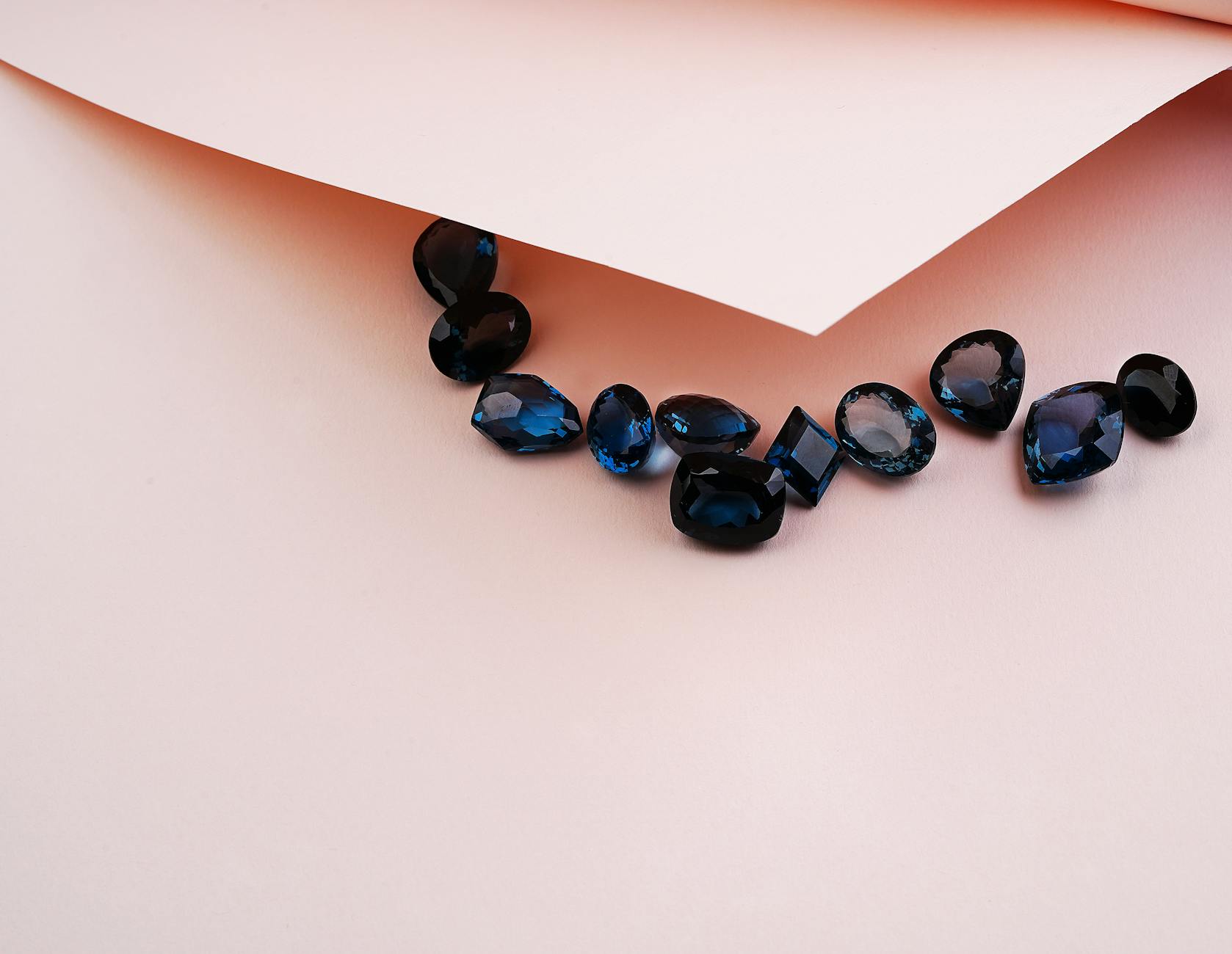
Colored stone slides require more careful curation. A vivid blue sapphire slide is stunning with gold and silver alike, and its saturation makes it feel intentional rather than accidental. However, that same sapphire may compete with other statement jewelry if you’re the type who likes to mix colors throughout your outfit. If you prefer flexibility in your styling options, a slide featuring multiple stones—perhaps a diamond with sapphire or ruby accents—offers more visual interest while remaining appropriate for more varied occasions.
Styling for Different Occasions and Outfit Types
Professional settings call for restraint. A slide should enhance your appearance without drawing excessive attention or suggesting you’re wearing your entire jewelry box at once. A single diamond or pearl slide on a slim gold chain works in boardrooms, client meetings, and formal daytime events. The slide should rest somewhere between your collarbone and the top of your breastbone—visible enough to matter, but not so low that it competes with other pieces or clothing details. If your blouse or dress has a neckline that sits high on your chest, positioning a slide lower on the chain keeps it from disappearing.
For evening wear and special occasions, you have license to go bolder. A substantial gemstone slide—perhaps featuring a rectangular emerald or a cushion-cut ruby—becomes a focal point that justifies a dressier overall presentation. Pair it with a thicker chain (perhaps 2.5-3mm) so the weight feels balanced, and consider whether other jewelry pieces should take a backseat. If you’re wearing a noteworthy slide, keep your earrings and bracelets simpler to avoid visual chaos. This is a classic styling tradeoff: one statement piece reads as intentional and elegant, while multiple statement pieces read as cluttered.
Common Pitfalls in Slide Styling
Oversizing is the most frequent mistake people make. Slides are often marketed as statement pieces, which sometimes encourages customers to buy slides that are substantially larger than their chains warrant. A slide that’s dramatically wider than your necklace will slip around, potentially flip upside down, and generally behave poorly. Additionally, an oversized slide on a thin chain creates an unstable situation where the chain has to support weight that was never intended for it, risking breakage over time. This is especially true with gemstone slides—a 3-carat sapphire on a 1mm chain is not a styling choice, it’s a structural problem.
Another common issue is metal confusion. Some people assume that because slides can move freely, metal mismatches don’t matter. In reality, the friction created by constant movement actually accelerates the visual wear that mixing metals causes. Wear a silver slide on a gold chain for six months of daily wear and you’ll notice a visible line where the two metals interact. If slides are going to be part of your regular rotation, commit to coordinating metal tones, or plan for professional maintenance to mitigate the wear.
Layering Slides for Advanced Styling
Multiple slides on a single chain can work, but requires a careful approach. Two slides positioned at different heights on the same necklace create visual interest, but they must be coordinated in color family or deliberately contrasting in a way that feels intentional. A diamond slide and a sapphire slide on the same chain risks looking like you couldn’t decide which piece you wanted to wear. A diamond slide paired with a rose gold geometric slide, by contrast, reads as intentional layering.
Spacing matters significantly. If both slides are clustered near the center of your chain, they compete for attention. Position them at different points—perhaps one at the collarbone and one lower—so each has its own visual space. This approach works best with slimmer slides rather than substantial statement pieces, and it’s a technique that requires confidence in your styling instincts.
The Evolution of Slide Styling in Contemporary Jewelry Culture
Slide jewelry has experienced a resurgence in recent years as consumers seek pieces that offer flexibility and personal expression. Unlike fixed pendants, slides allow you to adjust your necklace’s appearance without purchasing entirely new pieces. This sustainability angle—getting multiple looks from a single chain—has become increasingly appealing to jewelry buyers who want pieces that work across different contexts and seasons.
As design trends shift toward minimalism and intentionality, slides offer a way to build a capsule jewelry collection rather than accumulating numerous complete necklaces. The future of slide styling likely involves tighter integration with contemporary jewelry narratives around custom pieces and heirloom transformation. Slides make it possible to repurpose vintage stones or family jewelry into modern, wearable formats. A diamond from a grandmother’s outdated ring can become a functional, beautifully styled slide on a contemporary chain, honoring the stone’s history while creating something you’ll actually wear.
Conclusion
Styling slides effectively means treating the relationship between the slide, chain, and your broader jewelry collection as an interconnected system. Pay attention to proportion, coordinate your metals intentionally, and choose stones that either complement your existing pieces or make a clear statement. Whether you’re working with delicate everyday jewelry or dramatic statement pieces, the fundamental principles remain: balance visual weight, honor the movement inherent in how slides function, and consider how the piece fits into your actual life and wardrobe.
The beauty of slides is their flexibility, but that same flexibility demands more thoughtfulness from the wearer. A well-styled slide feels inevitable rather than accidental, like you understood exactly what you wanted to communicate through your jewelry and chose the piece to do it. Start with slides that coordinate with your most-worn metals and most versatile outfit colors, then expand from there as your confidence in styling these pieces grows.
Frequently Asked Questions
Can I wear a platinum slide on a gold chain?
Yes, but be aware that the softer gold will show wear from the harder platinum more visibly over time. If you plan to wear this combination daily, plan for periodic professional polishing to keep the gold looking uniform.
What’s the ideal slide width compared to chain width?
Your slide should be roughly equal in width to your chain or slightly narrower. A 2-3mm chain accommodates a 2-3mm slide comfortably; a 4mm chain works well with a 4-5mm slide. Much wider and the slide looks disproportionate.
Should my slide match my other jewelry?
Not necessarily, but intentionality matters. Matching metal tones creates cohesion, while deliberate contrast (like a white diamond slide with rose gold accents elsewhere) reads as intentional. Random mixing feels unfocused.
How often do slides need cleaning?
Slides accumulate dirt more than fixed pendants because they move along the chain. Clean monthly with gentle soap and warm water, or have them professionally cleaned every 6-12 months if worn daily.
Can I layer multiple slides on one chain?
Yes, but position them at different heights along the chain and ensure they’re coordinated in color family or deliberately contrasting. Clustering them together or mismatching their aesthetic makes the look feel accidental.
What size gemstone is appropriate for a slide?
Size should be proportionate to your chain and your build. A delicate person in professional settings might wear a 0.5-1.5 carat stone, while someone with a larger frame or wearing evening jewelry might wear 2-4 carats. Trust your instinct about what feels balanced when you put it on.