

Every man should own at least three essential watches: a classic dress watch for formal occasions, a reliable everyday sports watch for daily wear, and either a vintage timepiece or a statement watch that reflects personal style. These three watches provide coverage for virtually every situation a man encounters, from black-tie events to casual weekends, and create the foundation of a practical collection.
Rather than owning dozens of unworn watches, a curated selection of well-chosen pieces ensures you have the right watch for the right moment and actually wear each one. A quality watch serves purposes beyond telling time—it’s a functional accessory, an investment, and often a conversation starter that communicates taste and attention to detail. Whether you’re drawn to the precision of Swiss movements, the durability of sports watches, or the heritage of vintage mechanical timepieces, building a relevant watch wardrobe is about understanding your lifestyle, budget, and genuine preferences rather than chasing trends or brand names alone.
Table of Contents
- What Are the Core Watches Every Man Should Own?
- The Dress Watch—Refinement for Formal Occasions
- The Everyday Sports Watch—Built for Durability and Reliability
- Building Your Collection Within a Budget—Practical Spending Strategies
- Complications and Features—Understanding What Actually Matters
- Vintage and Heritage Watches—The Appreciation Factor
- The Long-Term Investment Perspective—Why Quality Matters
- Conclusion
- Frequently Asked Questions
What Are the Core Watches Every Man Should Own?
The dress watch forms the backbone of any serious collection because formal occasions demand a watch that disappears into your wrist—slim, understated, and elegant. A dress watch typically features a case under 40mm in diameter, a clean dial without excessive complications, and a leather strap that matches your shoes. The Omega Seamaster or Rolex Datejust represent the gold standard in this category, but exceptional dress watches also come from Longines, Tudor, and even vintage Seiko models that cost a fraction of luxury brands yet deliver the same refined aesthetic. The everyday sports watch is your workhorse, the watch you wear on weekends, during casual work environments, or whenever durability matters more than polish. This category includes diving watches, pilot watches, and field watches—tools designed to withstand scratches, water immersion, and the general abuse of an active lifestyle.
A sports watch typically features a larger case (40-44mm), readable dial markings, and a sturdy steel or rubber strap. The distinction between a dress watch and a sports watch isn’t about quality but about purpose: one projects refined subtlety, the other projects capability and resilience. The third watch—whether vintage, limited edition, or a statement piece—represents your personal taste. This might be a vintage Rolex from the 1970s with character and patina, a modern dive watch with a ceramic bezel and GMT functionality, or a chronograph that combines sporty aesthetics with timing capability. This watch doesn’t need to work for every occasion; it needs to genuinely interest you and offer something different from your dress and everyday watches.

The Dress Watch—Refinement for Formal Occasions
A dress watch’s most critical limitation is its water resistance, which is often shallow (30-50 meters) because thin cases don’t accommodate robust seals. This means you should remove your dress watch before washing your hands extensively or swimming—a significant constraint if your lifestyle blurs casual and formal contexts. The refinement that makes a dress watch beautiful also makes it vulnerable to damage, requiring more careful handling than a robust sports watch. The ideal dress watch works equally well with business suits and black-tie attire, which means choosing conservative colors—white, cream, or champagne dials are safer than bright blue or deep black, which can feel dated or clash with certain occasions. Avoid dress watches with date windows if possible, as they interrupt the symmetry of the dial and add visual clutter.
A dress watch should be something you want to look at repeatedly throughout formal events—a Patek Philippe Calatrava or even a well-chosen Seiko Presage justifies the attention and complements rather than competes with elegant clothing. The common mistake is buying a dress watch that’s too thick or too large. Modern watches have grown bigger across all categories, and many “dress” watches sold today are actually oversized for their intended purpose. A true dress watch should wear comfortably under a dress shirt cuff and disappear visually when you rest your hand on a table during dinner. Test any dress watch by wearing it under a long-sleeved shirt before purchasing.
The Everyday Sports Watch—Built for Durability and Reliability
A sports watch is the watch you’ll actually wear most frequently, making reliability and comfort more important than prestige. Mechanical watches, whether automatic or manual wind, require maintenance every 5-7 years to replace aging lubricants and ensure accuracy, which costs $300-600 even for modestly priced watches. This is a significant hidden cost that surprises many first-time watch buyers—a beautiful watch sitting in a drawer for years will eventually require servicing before it works reliably again. Sports watches excel at handling water immersion, making them suitable for swimming, snorkeling, or water sports if you choose a model rated for those activities. The distinction matters: a 50-meter rating means splash-resistant and safe for accidental immersion, while 100+ meters means safe for snorkeling, and 200+ meters means safe for diving.
If you’re simply wearing it during daily activities including showers, any sports watch with at least 100 meters rating provides adequate safety. The titanium or steel construction of most sports watches also resists scratches better than dress watches, though they’ll still accumulate marks over years of wear—this is a feature, not a flaw, as it demonstrates actual use. Consider also that a sports watch’s larger case and thicker profile mean it wears differently from dress watches. A 44mm dive watch can feel overly large if you have a slim wrist, while a 38mm sports watch might feel too delicate if you’re accustomed to substantial watches. Trying on multiple options at a dealer matters more than any specification—the watch that looks best online often feels different on your wrist.

Building Your Collection Within a Budget—Practical Spending Strategies
Most men can build a functional three-watch wardrobe for $2,000-3,000 by choosing carefully across tiers. A micro-brand sports watch ($400-700) paired with a Seiko or Tissot dress watch ($500-1,000) and a vintage Omega or Rolex ($800-2,000) creates depth without extravagant spending. Alternatively, investing more heavily in one Swiss luxury brand while choosing Japanese alternatives for the other categories provides comparable functionality at lower cost. The common tradeoff is buying a midrange watch ($800-1,200) hoping it covers multiple roles adequately, only to discover it satisfies none fully.
A watch that’s “almost a dress watch” and “almost a sports watch” typically falls short as both. Spending strategically—buying the best dress watch you can afford, then accepting a more modest sports watch—creates better actual utility than spreading a budget evenly across three mediocre pieces. Vintage watches offer exceptional value if you’re willing to do research and authenticate pieces carefully. A vintage Rolex Submariner from the 1980s often costs less than a new sports watch while delivering 50+ years of proven durability and genuine character. The tradeoff is that vintage watches require more scrutiny during purchase—condition varies significantly, replacement parts for specific models can be expensive, and you need confidence evaluating authenticity.
Complications and Features—Understanding What Actually Matters
Many watch features feel impressive on paper but add little practical value. A chronograph (stopwatch function) looks technical and appeals to collectors, yet most wearers never use it. Similarly, a GMT complication (second time zone) is genuinely useful only if you frequently travel internationally, yet watch brands promote it heavily. Evaluate complications honestly against your actual lifestyle—a diver’s watch bezel makes sense if you dive or swim regularly, less so if you wear business suits primarily. A date window offers genuine utility in daily wear because you frequently need to know the date without checking your phone.
However, the date complication is more expensive than a simple watch and can appear obtrusive on dress watches. This represents a real limitation: the most elegant dress watches omit the date entirely, while practical everyday watches almost always include one. Water resistance numbers become meaningless if you don’t understand the standard. A watch rated 50 meters isn’t suitable for snorkeling despite what marketing suggests, while 200+ meters ensures safety for serious diving. However, if you simply wear your watch through daily life and occasional swimming, anything above 100 meters provides adequate protection, and spending significantly more for 300+ meters offers no practical benefit unless diving is genuinely part of your routine.
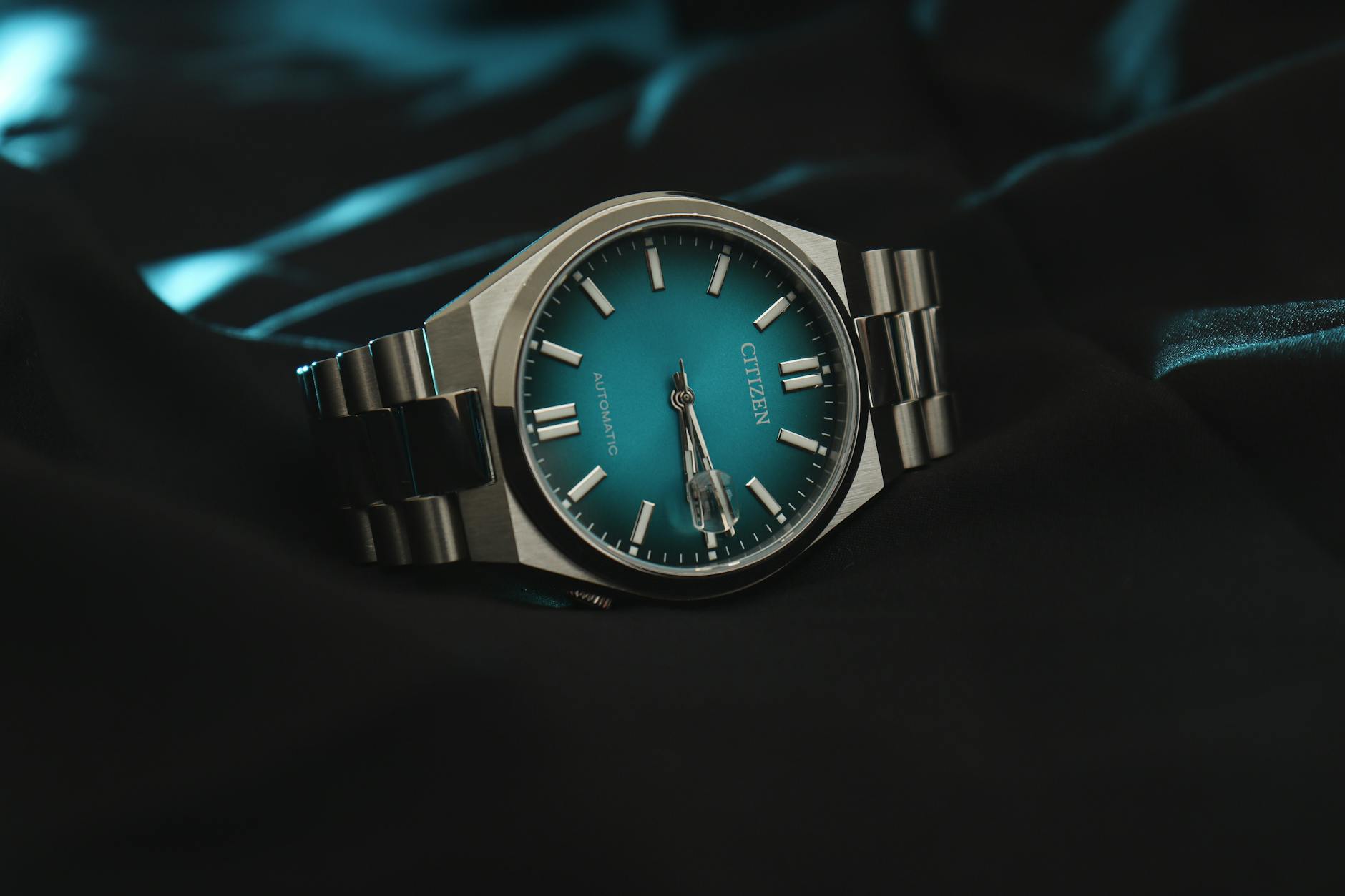
Vintage and Heritage Watches—The Appreciation Factor
Vintage watches represent both advantage and risk. A vintage Rolex purchased ten years ago for $3,000 might be worth $6,000-8,000 today, making it one of the few accessories that appreciates rather than depreciates. However, this appreciation is specific to established brands and desirable models—a vintage Seiko from 1970 might appreciate modestly while remaining affordable, while an obscure vintage brand could remain stagnant indefinitely.
The key advantage of vintage watches is their proven longevity. A watch that’s already survived 40+ years of actual use demonstrates its durability in a way new watches simply can’t. Vintage Rolex sports watches, Omega Seamasters, and Heuer chronographs have established track records of reliability that no marketing could replicate. The practical downside is that vintage watches typically require professional servicing before regular use, adding $500-800 to the acquisition cost.
The Long-Term Investment Perspective—Why Quality Matters
Quality watches hold value because they’re repairable, desirable, and built to last generations. A luxury sports watch purchased today might pass to your children with proper care, while fast-fashion watches become e-waste within years. This perspective shift—viewing a watch as an investment in durability rather than a disposable accessory—justifies spending more initially and caring for the piece properly.
The watch market continues evolving as younger collectors increasingly seek value and personality over brand prestige alone. Vintage watches, microbrands with dedicated followings, and independent watchmakers are gaining relevance alongside traditional luxury houses. Building a wardrobe that reflects your genuine preferences rather than accepted collecting wisdom means your watches remain interesting and wearable for decades.
Conclusion
A functional watch wardrobe doesn’t require extensive spending or dozens of pieces. Three well-chosen watches—a refined dress watch, a reliable sports watch, and a personal choice piece—cover virtually every occasion and create a foundation for genuine enjoyment rather than obligation. The investment in quality and authenticity pays dividends through years of reliable service and the simple pleasure of wearing watches you genuinely prefer. Start with identifying your lifestyle requirements honestly.
If you spend most time in casual environments, prioritize a comfortable sports watch and delay the dress watch purchase. If business formality dominates your schedule, invest first in an excellent dress watch. The third piece can follow once you understand what genuinely interests you, whether that’s vintage history, technical complications, or simply a watch that feels special on your wrist. This measured approach creates a collection you’ll actually wear rather than display.
Frequently Asked Questions
How much should I spend on my first watch?
Budget $500-1,000 for a quality entry point that will last decades. This range includes excellent Japanese watches (Seiko, Orient) and solid Swiss options (Tissot, Longines) that hold value and deliver genuine reliability. Spending less often means replacement within years, while jumping to luxury brands provides diminishing benefits until you understand your preferences.
Is automatic or quartz better for everyday wear?
Quartz offers better accuracy and requires less maintenance, but automatic movements are more elegant, require no batteries, and appeal to many collectors. For a first watch, either works perfectly—choose based on whether you prefer the simplicity of quartz or the mechanical satisfaction of automatic.
Can one watch really work for all occasions?
Not ideally. While a 40mm sports watch with refined finishing can bridge casual and business contexts better than others, a true dress watch and true sports watch serve different purposes too well for a single watch to excel at both. The three-watch approach offers flexibility without excessive spending.
How often should I service my watch?
Every 5-7 years for regular wear ensures the movement stays accurate and lubricated. If a watch sits unworn for years, service it before returning to regular use. Budget $300-600 for service depending on the brand and movement complexity.
Should I buy vintage or new?
Both have merits. New watches offer manufacturer warranty and factory-fresh condition. Vintage watches offer character, proven durability, and often better value for money if purchased from reputable dealers. Choose based on whether authenticity and heritage appeal to you or if you prefer guaranteed factory specs.
How do I know if a watch is authentic?
Learn the specific details of any watch model before purchasing—dial printing quality, logo positioning, case finishing details, and serial number ranges vary by production year. Purchase only from established dealers or directly from manufacturers. If something feels rushed or too inexpensive, trust that instinct—authentication regret is expensive.