

Styling a backpack correctly means balancing functionality with visual proportion while choosing designs that complement your silhouette and lifestyle. The right backpack isn’t just a practical accessory—it’s a statement piece that anchors your entire outfit. A well-styled backpack should match the scale of your body, coordinate with your clothing’s color palette and formality level, and solve the specific problem you’re carrying it for, whether that’s commuting, travel, or everyday errands. The key is understanding that backpack styling works differently than other accessories.
Unlike a handbag, which sits at your side, a backpack occupies the entire real estate of your back and shoulders. This means its size, color, and material directly impact how balanced you appear. A petite person in an oversized hiking pack looks swallowed; someone broad-shouldered in a tiny crossbody sack looks disproportionate. The styling opportunity lies in choosing a backpack that enhances rather than fights against your natural proportions.
Table of Contents
- What Size Backpack Actually Works for Your Body Type
- Material Quality and How It Affects Overall Style
- Color Coordination With Your Wardrobe and Skin Tone
- The Placement and Proportion Problem When Wearing Backpacks With Fitted Clothing
- The Hidden Problem of Logos and Branding
- Styling Backpacks With Different Outfit Categories
- The Durability and Investment Perspective
- Conclusion
- Frequently Asked Questions
What Size Backpack Actually Works for Your Body Type
Backpack sizing isn’t arbitrary—it should align with your shoulders and overall frame. A pack that’s too wide creates bulk; one that’s too narrow looks insubstantial and awkward against your torso. As a general rule, the widest part of your backpack shouldn’t extend more than an inch beyond your shoulders on each side. Someone who is 5’2″ and wears size XS clothing will look best in a pack around 20-25 liters; someone 6’2″ and larger can carry a 35-40 liter pack without it appearing cartoonish.
Consider also the length proportions. A backpack that reaches your mid-back is generally flattering because it sits within your natural proportions. Packs that sag to your lower back or only reach your shoulders tend to look either sloppy or unnaturally small. The attachment points matter too—ensure the shoulder straps don’t force your arms into an awkward angle and that any hip belt sits at your actual hip bone, not your waist.
Material Quality and How It Affects Overall Style
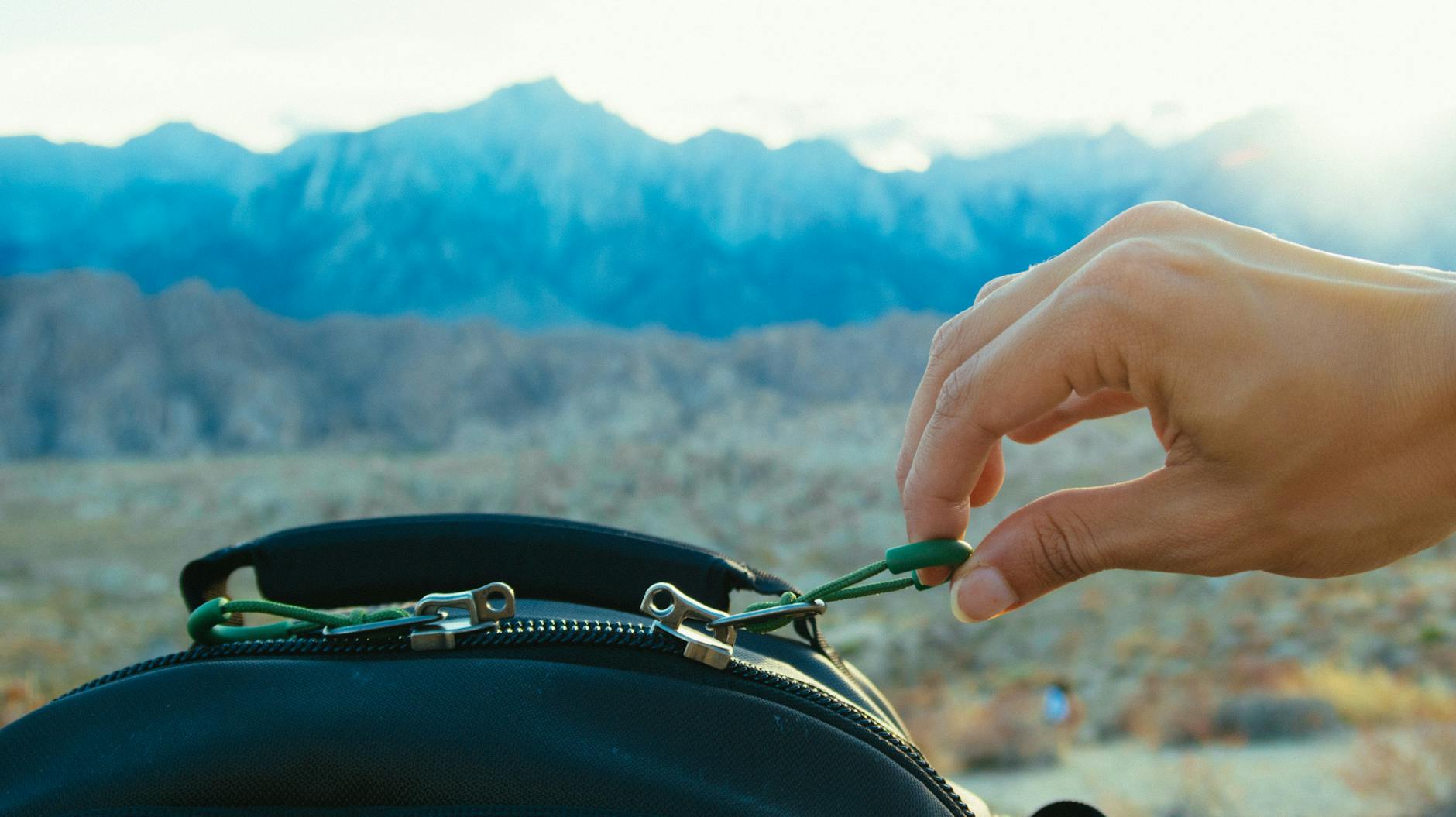
The material of your backpack dramatically changes its visual impact and longevity. Premium leather, nylon weaves, and technical fabrics each read differently and age in distinct ways. Leather develops patina and character over time but requires maintenance and protection; high-quality nylon is more casual and durable but can look cheap if the weave is loose or the stitching is sloppy.
A major limitation to understand: many “luxury” backpacks in synthetic materials degrade within a few years because the material breaks down or loses its integrity. A canvas pack that costs half the price might outlast an expensive nylon pack simply because the fiber quality is superior. Before committing to a backpack, research how the material actually performs in your climate and use case—a breathable mesh back panel sounds good until you realize it collects dust and becomes dingy quickly in an urban environment.
Color Coordination With Your Wardrobe and Skin Tone
Backpack color should work with your existing clothing ecosystem, not against it. A black or navy backpack is the most versatile because it matches most neutral palettes, but that doesn’t mean it’s always the best choice. If your wardrobe runs warm—lots of cream, camel, rust, and terracotta—a cool-toned gray backpack will always feel slightly off. A warm tan or cognac leather pack integrates seamlessly instead.
Consider also how color impacts formality. A bright red or neon backpack immediately reads as casual, even if it’s made from expensive materials. A deep burgundy leather pack signals sophistication. If you’re styling a backpack for professional settings, earth tones and jewel tones tend to photograph better and feel more curated than novelty colors. A specific example: wearing a hunter green canvas backpack with navy suiting works beautifully because the colors sit in the same tonal family, whereas a teal backpack with the same outfit creates visual tension.
The Placement and Proportion Problem When Wearing Backpacks With Fitted Clothing
How you wear your backpack dramatically changes your silhouette. Wearing straps too loose forces the pack to sit low and bounce against your back, which makes you look heavier and less put-together. Worn too tight, the straps dig into your shoulders and create an uncomfortable, constricted appearance. The ideal strap length keeps the pack sitting between your mid-back and lower back, with the top of the pack roughly level with your shoulders.
The tradeoff is between comfort and aesthetics: cycling straps all the way up improves posture and looks polished, but it can be uncomfortable during long carry times. Many people compromise by tightening straps for transit and public-facing moments, then loosening them once they’re seated or in the office. The practical solution is choosing a pack with padded straps and a hip belt that can distribute weight without requiring Velcro-tight shoulder positioning. A comparison worth making: a $400 backpack with terrible ergonomics and nonexistent weight distribution will feel worse after an hour than a $150 pack designed with actual padding and engineering.
The Hidden Problem of Logos and Branding
Many backpacks broadcast visible logos, patches, and branding that date them instantly or make them feel less refined. A pack covered in embroidered brand names, woven labels, and decorative patches is harder to style because it’s visually noisy and reads as trend-focused rather than timeless. This limitation affects even expensive brands—some luxury labels plaster their name across the back panel, which actually diminishes the sophistication of the piece.
When shopping, look at the back panel and sides carefully. Does the pack rely on its branding for visual interest, or does its shape and craftsmanship speak for itself? The most stylish backpacks use subtle branding—a small woven label inside or a discreet embossed logo—rather than banner-sized logos on exterior panels. A warning: viral backpack styles often feature prominent branding because they’re designed for visual recognition on social media, not for lasting style appeal.
Styling Backpacks With Different Outfit Categories
Business casual looks require a structured backpack in a neutral color that doesn’t undermine your professional appearance. A worn leather pack in chocolate brown, a tailored nylon commuter pack in black, or a structured wool pack in charcoal all work because they read as intentional and refined. Avoid oversized hiking packs, bright neons, or anything with excessive pockets and external gear loops in professional settings.
For casual weekend wear, you have more flexibility, but scale still matters. An oversized tote-style backpack can work with relaxed jeans and a linen shirt because the proportions feel cohesive. For athleisure, a smaller technical backpack that echoes the scale of your sportswear looks more considered than a full hiking pack. A specific example: wearing a sleek 15-liter backpack with tailored pants and a structured jacket communicates “I’m organized and intentional,” while the same outfit with a 40-liter camping pack communicates “I grabbed whatever was handy.”.
The Durability and Investment Perspective
Choosing a backpack is increasingly an investment decision. A quality backpack costs between $150 and $600, which is significant, but a well-made pack lasts 10+ years with proper care. This math changes the styling calculus—you’re not choosing a trendy item for one season; you’re choosing something you’ll carry hundreds of times.
This shifts the priority toward timeless design and genuine material quality over passing trends. Look for packs designed by companies with decades of heritage in technical gear or leather goods. These brands invest in testing, repair services, and materials that actually improve with age. The forward-looking perspective is that sustainable fashion increasingly means choosing one excellent backpack over replacing a cheap pack every 18 months.
Conclusion
Styling a backpack well requires attention to proportion, material quality, color coordination, and how the pack sits on your actual body. The most critical step is choosing a size and shape that complements your frame, then coordinating the color and material with your existing wardrobe. The investment in a quality, minimally branded backpack pays dividends because you’ll wear it frequently and it will improve with age.
Start by assessing your shoulder width, your typical carry needs, and the color palette of your existing wardrobe. Spend time trying on packs in person rather than ordering online, because the fit against your body is non-negotiable. Choose materials and construction that will outlast trends, and prioritize subtle design over loud branding. A well-chosen backpack becomes invisible in the best way—it works so seamlessly with your style that people notice the overall look, not the pack itself.
Frequently Asked Questions
Can you wear a backpack with formal or professional clothing?
Yes, but it requires the right pack. A structured leather or high-quality nylon backpack in black, navy, or brown can work in professional settings if it fits your proportions and has minimal branding. Avoid oversized technical packs, bright colors, or anything with multiple external pockets, which read as casual regardless of material.
How tight should backpack straps be?
Straps should be snug enough that the pack doesn’t bounce more than an inch or two when you walk, but not so tight that they dig into your shoulders or restrict your arm movement. The top of the pack should sit roughly level with your shoulders, and the base should rest on your mid-back.
What’s the difference between styling a leather backpack and a nylon one?
Leather backpacks develop character and patina over time, feeling more refined as they age, but require conditioning and protection from water. Nylon packs are lower maintenance and more versatile with casual outfits, but they can feel less premium. Leather works better in professional or elevated casual styling; nylon excels in athletic or travel contexts.
Should I choose a backpack based on brand or on fit and material?
Fit and material matter far more than brand. A lesser-known brand with excellent construction, appropriate sizing, and high-quality materials will outperform a famous brand with poor ergonomics or cheap nylon. Branding should be an afterthought, not a primary factor.
Can you style a hiking or outdoor backpack for everyday wear?
It’s difficult because outdoor packs are designed for function over form. They tend to be oversized, feature excessive external pockets, and often have bright colors or technical aesthetics that clash with everyday clothing. A specialized everyday pack, even if smaller or less feature-rich, will style significantly better.
What’s the best way to make a large backpack not look overwhelming?
Ensure it fits your shoulder width properly, wear it with proportional outfits (avoid tiny frames in massive packs), and choose neutral or muted colors. Structured, tailored clothing minimizes the visual weight of a large pack, as does adjusting the straps so the pack sits higher on your back.