

Styling sweatpants the right way means treating them as intentional wardrobe pieces rather than default comfort wear. The key is balancing their inherent casualness with elevated basics, quality fabrics, and deliberate accessorizing—which transforms them from loungewear into a legitimate outfit. For example, pairing tailored wool sweatpants with a crisp linen shirt and refined leather loafers creates a polished aesthetic that works in casual professional settings, unlike their athletic cousins.
Sweatpants occupy an interesting space in modern fashion. They’ve moved beyond the gym and bedroom into everyday wardrobes, but this acceptance doesn’t mean anything goes. The styling rules that apply to denim or chinos also apply here: proportion, color coordination, and overall intention matter. When done well, sweatpants can be as considered and sophisticated as any other casual bottoms.
Table of Contents
- What Makes Sweatpants Worth Styling in the First Place?
- Fabric Quality and Fit Are Non-Negotiable Foundations
- Color Selection and Coordination Strategies
- The Accessory Strategy That Changes Everything
- Layering Mistakes and How to Avoid Them
- Occasion Appropriateness and Contextual Styling
- The Evolution of Sweatpants and What’s Coming Next
- Conclusion
What Makes Sweatpants Worth Styling in the First Place?
The rise of sweatpants in contemporary fashion reflects a broader cultural shift toward comfort without sacrificing style. Unlike years past when sweatpants signaled you’d given up, today’s market offers structured silhouettes in premium fabrics—French terry, organic cotton blends, and even technical materials that breathe and move differently than standard sweats. These upgraded versions have defined waistbands, tapered legs, and weight that drapes rather than bunches.
The practical advantage of styled sweatpants is versatility across contexts. A well-fitted pair in charcoal or navy works for running errands, casual work-from-home days, or meeting friends for coffee in a way that dedicated activewear doesn’t. The limitation to understand: sweatpants will always read as casual, so they won’t work for formal or business-formal environments. If your workplace has a strict dress code, styling sweatpants won’t bridge that gap.

Fabric Quality and Fit Are Non-Negotiable Foundations
The biggest mistake people make is choosing thin, baggy sweatpants and expecting them to look intentional. Premium sweatpants should have substantial weight—they shouldn’t cling to your legs or flutter. The fabric should feel structured enough that it holds its shape through a day of wear and multiple washes. Look for pieces with reinforced seams, quality drawstring hardware (metal or leather rather than plastic), and hems that are finished cleanly rather than simply stitched.
Fit is equally critical. Your sweatpants should taper at the ankle without cutting off circulation, and the rise should align with your natural waistline—neither sliding down nor sitting uncomfortably high. The inseam matters too; hemming sweatpants to the correct length prevents that pooling effect at the shoe. A warning here: oversized sweatpants, even expensive ones, read as sloppy unless paired with equally voluminous or architectural pieces. If you love the relaxed fit, you’ll need more intentional styling elsewhere in the outfit.
Color Selection and Coordination Strategies
The color you choose determines how easy sweatpants are to style. Classic neutrals—black, charcoal, navy, cream, and gray—offer the most flexibility and feel more intentional than bright colors or graphics. These shades pair easily with virtually any top and create a cohesive visual line from hip to ankle. Earth tones like olive, taupe, or rust can work beautifully if they’re rich and saturated rather than muted.
A specific example: charcoal sweatpants with a cream cashmere sweater and tan suede sneakers creates an inherently sophisticated palette that requires minimal additional styling. You could add a camel coat and refined accessories, and the outfit feels complete and considered. The same sweatpants in a bright neon color would demand more editorial styling choices and feel harder to execute in everyday life. Monochromatic dressing—using the same color family top to bottom—can also elevate sweatpants by creating visual continuity rather than highlighting the casualness of the bottoms.

The Accessory Strategy That Changes Everything
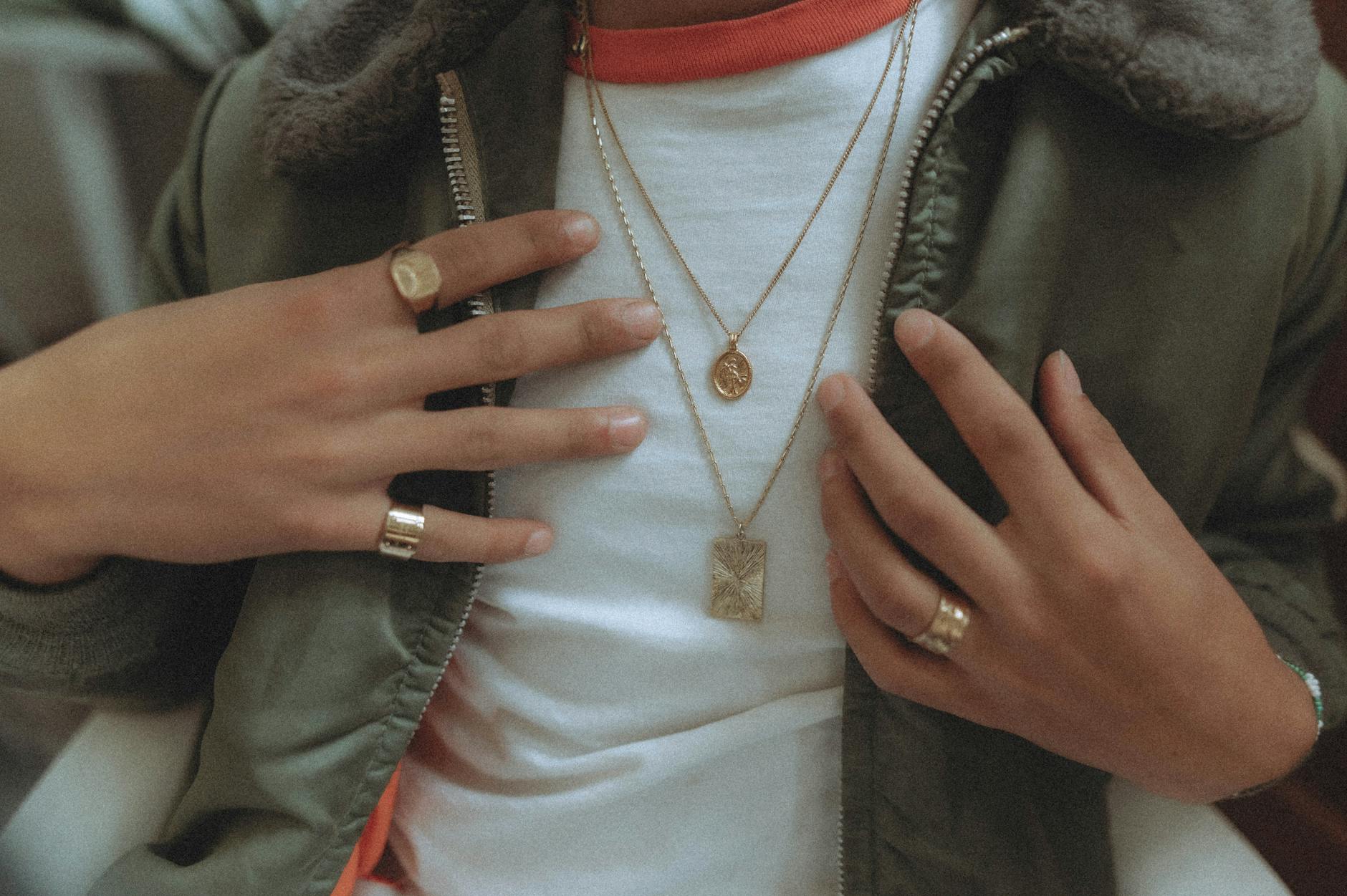
Accessories function as the primary tool for elevating sweatpants beyond their loungewear origins. A structured leather belt, quality watch, minimal jewelry, or refined bag signals that you’ve made deliberate choices with your outfit. Think of accessories as your opportunity to introduce the refined elements that anchor the casual bottom. A luxury timepiece, for instance, immediately suggests intention and polish around an otherwise relaxed silhouette. Footwear deserves specific attention.
Athletic sneakers keep sweatpants in gym territory, while leather loafers, minimal leather sneakers, or ballet flats push them toward intentional styling. The comparison: the same black sweatpants look fundamentally different paired with white tennis shoes versus white minimal leather sneakers. The leather version reads as deliberate; the athletic version reads as incidental. Avoid heavy athletic shoes or chunky sneakers if you’re aiming for elevated styling. The tradeoff is that you lose some comfort, but the visual payoff is worth it for occasions where appearance matters.
Layering Mistakes and How to Avoid Them
Oversized tops amplify the casual reading of sweatpants and can make your entire silhouette look shapeless. The warning: pairing oversized sweatpants with an oversized sweater is rarely flattering unless you’re deliberately playing with volume as a design choice. Instead, balance loose sweatpants with fitted or cropped tops, or vice versa. A fitted turtleneck or slim-fitting button-up with tailored sweatpants creates proportion and intentionality.
Layering length also matters. Long cardigans or oversize blazers can work over sweatpants, but they need to hit at the hip or mid-thigh for proportion—anything longer tends to obscure your silhouette and makes you look smaller. Structured blazers in particular elevate sweatpants because they signal formality and control. A limitation to understand: no amount of layering fully erases that sweatpants read as casual. You’re working with their inherent vibe, not against it.
Occasion Appropriateness and Contextual Styling
Sweatpants work well for casual outings—coffee, running errands, gym sessions, and relaxed social gatherings. They can also work in creative or casual professional environments where dress codes are flexible. They generally don’t work for dates, formal events, professional presentations, or situations where you want to project authority or formality.
A specific example: wearing styled sweatpants to a casual Saturday brunch with friends signals relaxed confidence and comfort. Wearing them to a client meeting or job interview, even with elevated accessories, undercuts your message. The context dictates whether your styling choices land or fall flat.
The Evolution of Sweatpants and What’s Coming Next
Sweatpants continue to evolve as athletic wear and luxury fashion converge. Emerging trends include hybrid pieces that blend sweatpant comfort with tailored construction—pants that look like trousers but feel like sweatpants. Technical fabrics are also expanding, offering temperature regulation and durability that rival traditional materials.
The forward-looking insight is that sweatpants may become even more socially acceptable as these quality improvements continue, but the styling fundamentals remain constant: proportion, color, fit, and intentional accessorizing. As work culture continues emphasizing flexibility and comfort, styled sweatpants will likely occupy an even larger role in everyday wardrobes. The skill of styling them well becomes more valuable, not less.
Conclusion
Styling sweatpants well is an exercise in intentionality and balance. The foundation is quality fabric and proper fit, followed by considered color choices and elevated accessories that signal you’ve thought about your outfit. Sweatpants will always read as casual—that’s their nature—but “casual” doesn’t have to mean careless.
With the right top, shoes, and accessories, sweatpants can be a legitimate, sophisticated part of your rotation. The next time you reach for sweatpants, pause and ask whether you’re wearing them or styling them. Will your choice of top, footwear, and accessories create a cohesive, intentional outfit? Can you add one refined element—a watch, a structured bag, leather loafers—that signals you’ve made deliberate choices? That small shift in mindset transforms sweatpants from default comfort wear into actual style.