

Styling a bomber jacket the right way comes down to understanding its inherent balance between casual athleticism and refined structure. A well-styled bomber jacket works because it occupies a middle ground—more polished than a sweatshirt, more relaxed than a structured blazer. The foundation is simple: pair it with pieces that either complement its clean lines or intentionally contrast them, depending on the overall mood you want to create.
If you’re reaching for a vintage Avirex leather bomber in rich chocolate brown, for instance, tailored trousers and leather shoes anchor the look in sophistication, while the jacket’s sportswear origins still register in the fit and fabric. The challenge most people face is treating the bomber like a casual afterthought rather than a considered layering piece. This jacket carries enough visual weight to dictate an outfit’s direction, yet it’s forgiving enough to work across multiple style registers. Whether your bomber is oversized technical nylon, fitted suede, or somewhere in between, the styling principle remains consistent: let the jacket set the formality tone, then build around it rather than against it.
Table of Contents
- What Makes the Bomber Jacket Different From Other Layers?
- Fabric Choices and What They Communicate
- Building Contrast Through Color and Tone
- Proportion Pairing and Silhouette Balance
- Avoiding the Casualness Trap and Styling Across Contexts
- Styling With Luxury Accessories and Fine Jewelry
- Seasonal Adaptations and the Bomber’s Evolving Role
- Conclusion
- Frequently Asked Questions
What Makes the Bomber Jacket Different From Other Layers?
The bomber‘s construction distinguishes it from other casual outerwear. The elastic cuffs, zippered front, and structured shoulders create a silhouette that’s inherently more defined than a cardigan or oversized shirt jacket. This means the bomber doesn’t disappear into an outfit—it commands attention. A standard denim jacket drapes loosely and reads as inherently casual; a bomber jacket, even in casual fabrics, carries a precision that lends it versatility across different contexts. Understanding this distinction changes how you approach pairing. Because the bomber reads as intentional and finished, it can work with more formal bases than comparable casual jackets.
Wear a bomber over a silk slip dress or with tailored culottes, and the outfit registers as cohesive rather than confused. The same approach with an oversized denim jacket might feel too aggressively casual. The difference lies in the jacket’s structured shoulders and tapered waist, which echo formal tailoring proportions even when made from nylon or cotton. One limitation worth noting: the bomber’s defined silhouette can overwhelm slighter frames or create an unbalanced proportion if worn over extremely voluminous pieces. A fitted bomber paired with oversized everything else flattens rather than elevates the look. The jacket works best when the proportions around it vary intentionally—fitted or relaxed, but rarely several layers of volume in the same direction.
Fabric Choices and What They Communicate
The material of your bomber jacket fundamentally changes its styling flexibility. A heavyweight leather bomber—the kind with substantial grain and patina—demands different styling than a lightweight nylon piece. Leather reads as inherently luxe and durable, and it pairs naturally with premium basics: cashmere turtlenecks, tailored slacks, polished shoes. The texture itself does much of the styling work for you. A camel leather bomber over a cream wool sweater and dark jeans needs almost no additional consideration to look intentional and expensive. Technical fabrics like technical nylon or Gore-Tex create a different energy. These fabrics are associated with performance and utility, which can actually work beautifully with elevated basics if you commit to the direction.
A sleek black technical bomber worn with minimalist tailoring and investment footwear reads as understated and modern. But the limitation here is specificity: technical fabrics are harder to integrate into maximalist wardrobes or heavily patterned outfits. They demand a certain restraint from the rest of the outfit to feel balanced. Suede and wool bombbers occupy a middle ground—more refined than technical nylon, less austere than leather. These work across more styling scenarios because they have inherent warmth without requiring the commitment that leather does. However, suede requires specific care and will show wear in ways that can undermine the polished look you’re cultivating. If you’re investing in a suede bomber, factor in professional cleaning costs when budgeting.
Building Contrast Through Color and Tone
Bomber jackets don’t have to match or harmonize with your other pieces. Some of the most compelling combinations emerge from deliberate contrast. A cognac-toned leather bomber over monochromatic charcoal and cream creates visual interest precisely because the colors don’t match. This approach feels more editorial and considered than everything existing in the same tone family. Neutral bombers—black, navy, grey, camel, cream—offer maximum flexibility because they function as a neutral layer rather than a statement piece.
They’re the straightforward choice, and there’s nothing wrong with that. But if you want your bomber to feel like an active styling decision rather than a default grab, introducing color complexity shifts the entire outfit’s energy. A sage green or terracotta bomber immediately suggests intention. Pair it with the basics you already own, and suddenly those basics feel elevated by proximity. The tradeoff is that boldly colored bombers require more considered basic pieces underneath. A chartreuse bomber looks interesting over a white shirt and black trousers, but that same jacket over a patterned or heavily textured piece underneath creates visual competition rather than collaboration.

Proportion Pairing and Silhouette Balance
The fit of your bomber directly determines what silhouettes work beneath and below it. An oversized or dropped-shoulder bomber works well with more fitted legs—consider slim-cut tailored pants or streamlined skirts. This opposition in proportion prevents the outfit from reading as all-loose or all-structured. If your bomber is already fitted, you have freedom to pair it with wider-leg trousers, fuller skirts, or even slight volume in the legs without creating an unbalanced silhouette. Length also matters more than most people realize.
A cropped bomber that hits at the natural waist requires different proportions than a bomber that extends to the hip. A cropped version reads younger and can feel cutting-edge, particularly when paired with high-waisted or wide-leg bottoms. A longer bomber is more forgiving and reads as more sophisticated, particularly when paired with longer hemlines in skirts or pants. One practical note: oversized bombers can overwhelm smaller frames entirely, particularly if you’re also wearing a fuller bottom. The outfit can tip into costume-like proportions. In these cases, either size down or intentionally pair the oversized bomber with something quite fitted and minimal below to anchor the proportions.
Avoiding the Casualness Trap and Styling Across Contexts
The bomber’s sportswear roots can easily pull an outfit toward pure casual if you’re not deliberate. Pairing a bomber with athletic wear basics—sweatpants, running shoes, oversized t-shirts—definitely reads as comfort-focused. There’s nothing wrong with that aesthetic, but if you want the jacket to read as a styling choice rather than a default grab, these combinations don’t communicate the intentionality the piece deserves. The solution is to be specific about what you choose to pair with the bomber. If you wear it with slim-cut tailored trousers and structured shoes, suddenly the casualness flips toward refined ease.
The bomber maintains its relaxed character, but the outfit overall reads as a deliberate mix of codes rather than purely athletic. This works because tailoring and structure communicate intentionality, which elevates even inherently casual pieces. One warning: oversized athletic wear with a bomber reads conflicted and confused, rather than deliberately mixed. You need either athletic pieces that are fitted or non-athletic pieces that are relaxed. Overly casual pairing with overly casual pieces creates a muddled impression.
Styling With Luxury Accessories and Fine Jewelry
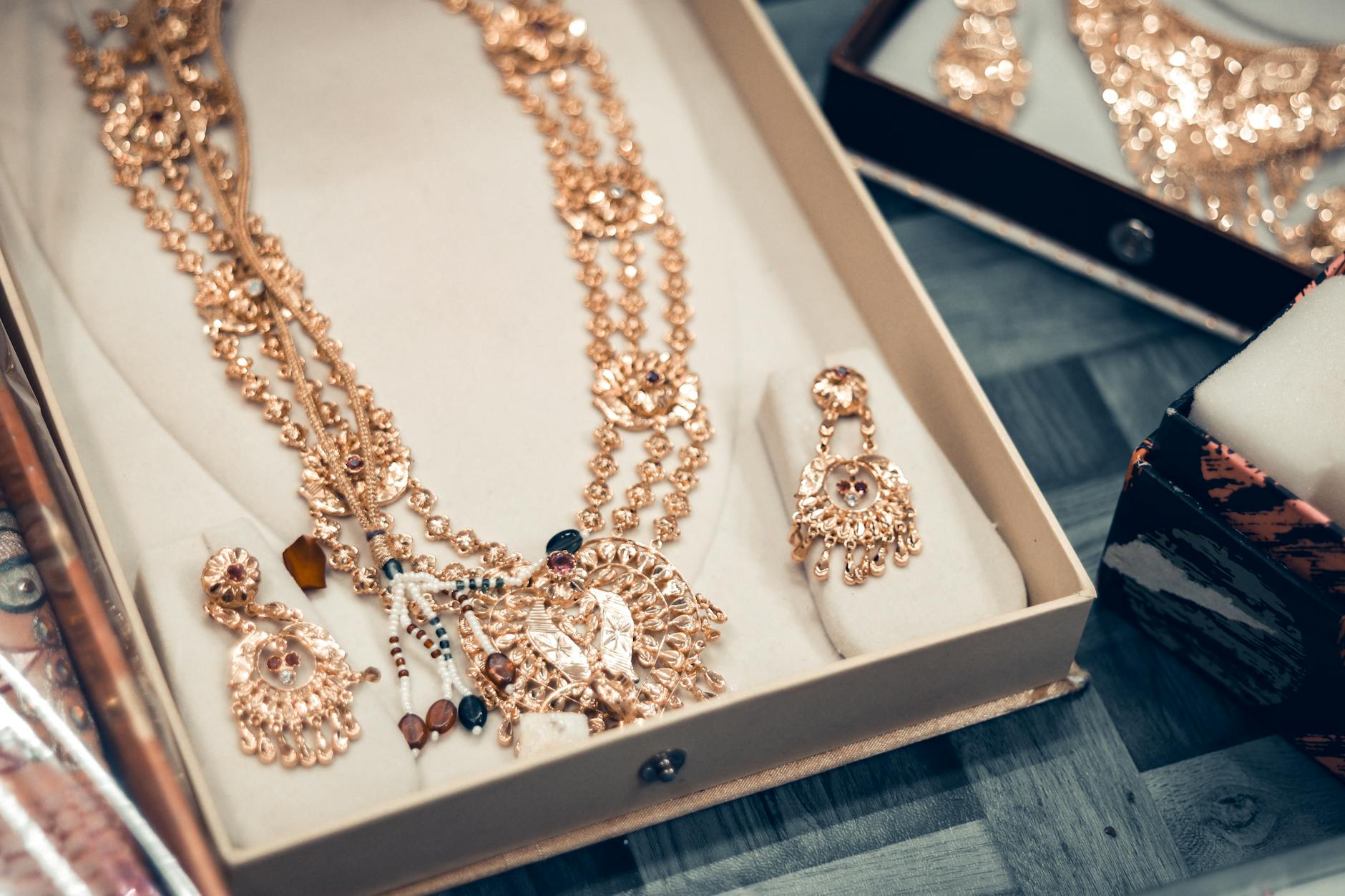
A bomber jacket creates the perfect canvas for showcasing investment pieces like fine jewelry. The structured shoulders and clean lines of the jacket provide negative space that allows jewelry to read clearly and intentionally rather than competing with busy fabrics. A substantial gold necklace, layered delicate chains, or statement rings all benefit from the simplicity of wearing them with a bomber jacket.
Consider the material conversation between your jacket and your jewelry. A leather bomber pairs exceptionally well with gold-toned accessories, creating a warm and cohesive visual story. Technical or sleek fabrics read beautifully with silver or white metal jewelry, particularly pieces with clean geometric lines. The visual synergy between materials—leather and precious metals, nylon and pearls—creates a more intentional, elevated aesthetic than pairing heavily textured jewelry with heavily textured outfits.
Seasonal Adaptations and the Bomber’s Evolving Role
The bomber’s versatility extends across seasons, though the styling shifts slightly based on layering needs. In warmer months, a lightweight nylon or linen bomber worn open over a simple tee reads as effortlessly polished.
In colder months, a bomber layered over a turtleneck or sweater requires slightly more proportional consideration because of the additional bulk, but the jacket’s structure helps contain all the layers rather than creating an amorphous shape. Looking forward, the bomber continues to evolve as a styling essential precisely because it bridges formal and casual codes without feeling contradictory. Investment pieces in quality materials remain relevant season to season, making a heritage leather bomber a reasonable long-term purchase.
Conclusion
Styling a bomber jacket the right way means treating it as an intentional layering piece with enough visual weight to direct your outfit’s mood. The key is matching its energy level—whether refined or casual—with supporting pieces that either complement or deliberately contrast with it.
Whether you’re working with a leather vintage piece, a technical nylon option, or something in between, the principle remains consistent: let the jacket’s structure and material guide your choices, build proportion thoughtfully, and trust that the bomber’s inherent polish means you don’t need to over-explain the outfit. Start with pieces you already own and test combinations before committing to new purchases. A single quality bomber in a neutral tone paired with tailored basics teaches you more about the jacket’s versatility than buying multiple versions in quick succession.
Frequently Asked Questions
Can you wear a bomber jacket in summer?
Yes. Lightweight nylon and linen bombers work beautifully in warm weather when worn open or unbuttoned. The fabric choice matters more than the season—a structured linen bomber over a sleeveless tee reads as intentional and seasonal appropriate.
What footwear works best with a styled bomber outfit?
It depends on the formality level. Polished leather shoes, pointed-toe flats, or minimal sneakers all work; the choice should match your bottoms’ formality rather than the jacket’s casualness. A bomber with tailored pants deserves structured shoes, while a bomber with relaxed jeans can handle cleaner sneakers.
How do you style a bomber if you’re petite?
Prioritize fitted or cropped bombers rather than oversized versions, and pair them with proportional pieces below—either fitted or slightly wider-leg, but avoid volume in multiple directions simultaneously. The jacket should hit at or slightly above your natural waist to avoid overwhelming your frame.
Can a bomber jacket work for professional settings?
In creative industries or casual workplaces, yes. Pair a structured leather or wool bomber with tailored trousers and professional shoes. In traditional corporate settings, it’s riskier—a structured blazer communicates professionalism more clearly than a bomber does.
What’s the difference between styling a bomber for men versus women?
The fundamental principles are identical. The difference lies in silhouette proportions—women’s bombers are typically narrower in the shoulders and more tapered at the waist, while men’s cuts are straighter. Style according to how your specific jacket is cut, not gender assumptions.
Should a bomber jacket ever be fully buttoned versus worn open?
Both work, depending on the look. Unbuttoned reads more relaxed and shows what’s underneath; buttoned reads more finished and intentional. Consider the outfit’s overall formality and the visual bulk the closed button creates against your frame.