

Gucci outfit ideas that actually work share one common thread: they balance the brand’s inherent boldness with restraint and intentionality. The most successful Gucci looks aren’t about wearing the loudest pieces in the collection at once. Instead, they anchor one or two signature Gucci items—say, a monogram print silk shirt or a distinctive belt—within a carefully curated foundation of elevated basics. A Gucci GG marmont bag paired with tailored black trousers, a cream cashmere sweater, and a simple gold chain creates instant polish without appearing costume-like.
The key is understanding that Gucci operates in layers of meaning. The brand uses logos, prints, and distinctive hardware as visual language, but that language only communicates effectively when it’s not competing with itself. When you invest in Gucci pieces—particularly when styling them alongside fine jewelry—you’re making a statement about aesthetic confidence, not desperation for brand recognition. This distinction separates wardrobes that feel curated from those that read as overloaded.
Table of Contents
- How to Pair Gucci With Fine Jewelry Without Clash
- Understanding Gucci’s Fit and Proportions
- Building a Gucci Wardrobe Foundation
- Mixing Gucci With Other Luxury Brands
- Common Styling Mistakes With Gucci
- Gucci Accessories as Investment Pieces
- The Longevity Angle: Gucci Pieces That Age Well
- Conclusion
How to Pair Gucci With Fine Jewelry Without Clash
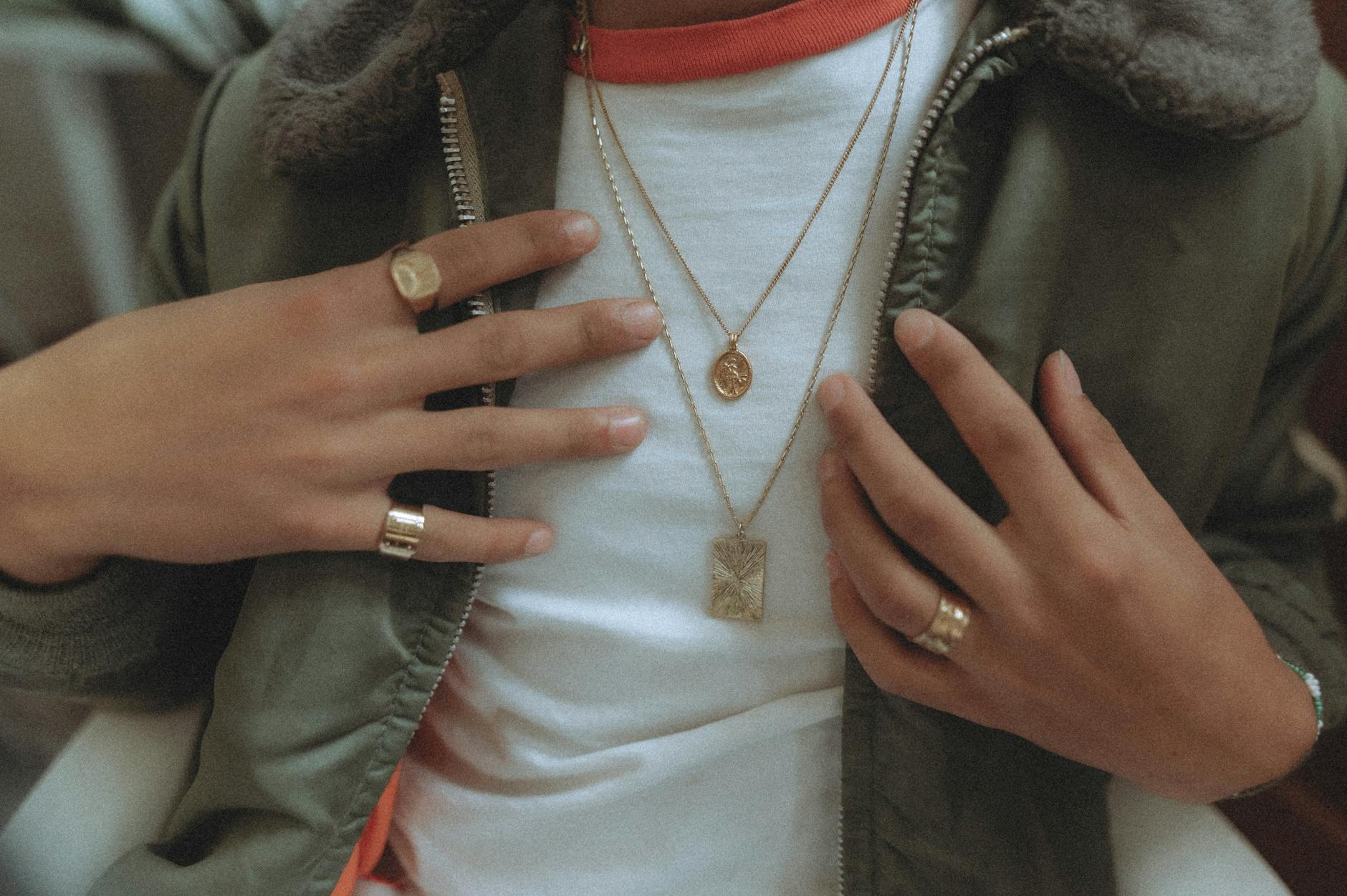
gucci‘s ornamental sensibility actually complements precious metals and gemstones when approached thoughtfully. The brand’s use of gold-tone hardware, decorative chains, and symbolic elements shares DNA with fine jewelry design. The danger is redundancy: stacking a chunky Gucci chain necklace with a similarly prominent gold chain from a jewelry house creates visual noise rather than sophistication. The solution is proportion and material contrast.
A Gucci silk blouse with ornate buttons works beautifully with delicate diamond studs and a subtle gold bracelet. Conversely, a minimal Gucci turtleneck becomes the perfect canvas for a statement gemstone pendant or layered fine jewelry chains. Think of your Gucci piece as one voice in a visual conversation. If it’s speaking loudly through pattern, logo, or hardware, your jewelry should whisper. If your Gucci is quiet—a neutral sweater or plain blazer—your jewelry can take center stage.
Understanding Gucci’s Fit and Proportions
Gucci’s sizing and construction differ meaningfully from contemporary basics, and ignoring this fact leads to outfits that feel awkward regardless of how expensive the pieces are. The brand tends toward relaxed silhouettes in many categories—oversized button-ups, loose-fitting trousers, generously cut knitwear. This is intentional design, not a flaw. A Gucci button-up shirt that looks slouchy on its own becomes purposefully elegant when paired with fitted trousers and structured accessories like a fine leather belt or structured jewelry.
The limitation here is significant: Gucci pieces often require the wearer to have a clear vision for how they’ll be tailored or styled. A Gucci blazer straight off the rack might need slight alterations at the sleeves or waist to read as intentional rather than accidentally oversized. This means buying Gucci requires investment not just in the purchase price but potentially in tailoring. When considering a Gucci item, account for these additional costs. The reward is that a properly fitted Gucci piece, even from a past season, outperforms an ill-fitting current-season item from a lesser brand.
Building a Gucci Wardrobe Foundation
Rather than collecting random Gucci pieces, successful wardrobes build around anchors. These are items that work repeatedly: a GG Marmont bag in black leather, a silk button-up in cream or white, a simple black blazer with Gucci’s hardware, tailored trousers. These aren’t the most exciting pieces in the collection, but they’re the ones that actually get worn. A GG Marmont bag in worn gold hardware becomes a daily workhorse that coordinates with virtually everything, from jeans to formal wear.
The strategic approach is to select foundational pieces in neutral colors and classic silhouettes first, then introduce Gucci’s bolder offerings—printed fabrics, unusual color combinations, logo-heavy pieces—gradually. This prevents wardrobes from feeling chaotic and ensures that each Gucci item integrates with what you already own. A Gucci print blouse purchased before you have three neutral layering pieces will likely hang unworn. That same blouse, added to a wardrobe of basics, becomes infinitely more useful.
Mixing Gucci With Other Luxury Brands
The comparison between wearing head-to-toe Gucci versus mixing it with other luxury houses often surprises people: diversified luxury wardrobes read as more sophisticated. A Gucci blazer with Saint Laurent trousers and a Hermès bag doesn’t dilute the Gucci investment—it elevates the entire outfit by demonstrating curatorial taste. Head-to-toe Gucci, particularly when heavy on logos and recognizable prints, can read as brand-focused rather than style-focused. This doesn’t mean avoiding multiple Gucci pieces in one outfit.
Rather, it means recognizing that Gucci works best when it’s one component of a larger aesthetic. The tradeoff is that it requires broader fashion knowledge and investment across multiple brands. If your budget is limited, a single quality Gucci piece integrated with versatile basics from other sources creates a more functional wardrobe than multiple Gucci items worn together. For jewelry specifically, pairing Gucci clothing with fine jewelry from different houses—perhaps Gucci accessories with jewelry from an independent goldsmith—creates a distinctive personal aesthetic rather than a branded one.
Common Styling Mistakes With Gucci
The most frequent error is wearing Gucci’s print-heavy pieces with other patterns, logos, or highly detailed jewelry. A GG print dress should pair with solid jewelry and simple shoes. This seems obvious until you consider how naturally inclined people are to accessorize statement pieces with more statement pieces. The pattern needs room to breathe and be seen. Adding complex jewelry, patterned hosiery, or printed shoes competes for visual attention and creates an outfit that feels overdone rather than well-considered.
A second widespread mistake involves treating Gucci contemporary pieces the same way as vintage or archive Gucci. Recent collections emphasize relaxed, oversized proportions that look intentional only when worn that way. Pairing an oversized 2024 Gucci shirt with skinny jeans and a fitted blazer fights the piece’s inherent aesthetic. Understanding what each Gucci item is trying to communicate—its proportions, its era, its attitude—is essential. Gucci pieces from even five years ago may have entirely different proportions and construction philosophy than current offerings. Mixing them without awareness creates incoherent outfits.
Gucci Accessories as Investment Pieces
Gucci bags, belts, and shoes often outperform clothing as investment pieces and day-to-day workhorses. A Gucci GG Marmont bag or a pair of Gucci loafers worn consistently over years develop a patina and sense of history that new pieces cannot. These accessories also function as color and pattern vehicles, allowing you to experiment with Gucci’s bolder aesthetics within a contained, easy-to-rotate element. A Gucci printed scarf or a distinctive belt can be the sole Gucci statement in an otherwise neutral outfit.
The strategic advantage of investing in accessories rather than clothing is versatility. A Gucci belt works across countless outfits and body types. A Gucci dress is far more limited in application. When pairing Gucci accessories with fine jewelry, the accessories often become your main visual anchor, allowing jewelry to be more minimal or subtle. A woman wearing a striking Gucci belt buckle, for instance, might wear nearly invisible jewelry so the belt remains the focal point.
The Longevity Angle: Gucci Pieces That Age Well
Certain Gucci categories withstand trend cycles better than others. Monogram pieces in natural leather—the GG Marmont, the Soho Disco, classic loafers—develop a lived-in quality that reads as effortless luxury rather than dated. Solid-colored blazers and button-ups in quality fabrics maintain their appeal. Logo-heavy pieces from specific seasons, particularly when prints are very trendy, risk feeling period-specific within two to three years.
The forward-looking perspective is that Gucci has moved toward building more timeless pieces alongside its directional seasonal work. Choosing carefully from collections with longevity in mind—considering which pieces will feel relevant five years from now—allows Gucci to function as genuine investment rather than temporary trend participation. Pairing durable Gucci pieces with fine jewelry also creates a synergy in terms of lasting value. Both represent investments that mature and deepen rather than depreciate.
Conclusion
Gucci outfit ideas that work rest on three foundations: intentional placement of statement pieces, understanding the brand’s design language and construction, and strategic mixing with versatile basics and fine jewelry. The most elegant Gucci looks are often the simplest—a quality Gucci piece or two integrated into a cohesive wardrobe rather than layered with other loud items. The brand’s aesthetic is inherently sophisticated when given room to communicate without competing voices.
Moving forward, focus on foundational pieces that coordinate with what you already own, invest in categories like bags and belts that see consistent use, and resist the impulse to create visual noise. Gucci works best as a component of personal style rather than as a comprehensive wardrobe solution. With this approach, your Gucci pieces will become wardrobe anchors rather than impulse purchases that sit unworn.