

Styling Gucci like a professional means understanding that luxury is an exercise in restraint, not abundance. The most elevated Gucci looks balance the brand’s bold design language with timeless pieces and fine jewelry that complement rather than compete. A true Gucci professional recognizes that a single GG logo leather belt, paired with understated precious metal jewelry and neutral tailoring, speaks louder than layering multiple branded pieces—a principle that distinguishes polished luxury styling from costume dressing.
The key is treating Gucci as a foundational element in a larger luxury wardrobe, not the entire narrative. Styling Gucci at a professional level requires understanding the brand’s heritage and design intent, combined with personal restraint and an investment in complementary pieces that elevate rather than clash. This means knowing when a Gucci handbag should anchor an outfit versus when a quieter approach suits the occasion. A 14k gold necklace, for example, pairs infinitely better with a Gucci leather blazer than a piece of costume jewelry would, creating visual harmony rather than competing textures.
Table of Contents
- How Do You Incorporate Gucci Pieces Into an Elegant Luxury Wardrobe?
- Understanding Gucci’s Design Codes and When to Embrace or Downplay Them
- Building Cohesion Between Gucci and Fine Jewelry
- Mixing Designer Items with Everyday Luxury Basics
- Common Styling Mistakes That Diminish Gucci’s Impact
- Investment Pieces Versus Seasonal Gucci Collections
- The Evolution of Gucci Styling in the Modern Luxury Landscape
- Conclusion
How Do You Incorporate Gucci Pieces Into an Elegant Luxury Wardrobe?
Incorporating gucci into an elegant wardrobe starts with viewing it as one component of a cohesive whole rather than the dominant element. A Gucci loafer, for instance, works brilliantly with tailored trousers and a fine cashmere sweater, but becomes visually jarring when paired with multiple other bold designer logos. The most successful approach is the “anchor piece” strategy: select one statement Gucci item per outfit—perhaps a structured handbag or a patterned blazer—and build around it with neutral, high-quality basics and subtle luxury touches. This prevents the visual chaos that occurs when someone wearing multiple logos and bold prints appears more costume than curated.
Consider a Gucci matelassé shoulder bag in black leather: pair it with cream tailored trousers, a silk white blouse, and gold-tone jewelry. This creates a sophisticated, cohesive appearance. In contrast, pairing the same bag with Gucci patterned pants, a Gucci monogram sweater, and logo jewelry becomes overwhelming. The limitation of this approach is that it requires patience and discipline—not every Gucci piece you love will work in your existing wardrobe, which means strategic purchasing matters more than impulse buying.
Understanding Gucci’s Design Codes and When to Embrace or Downplay Them
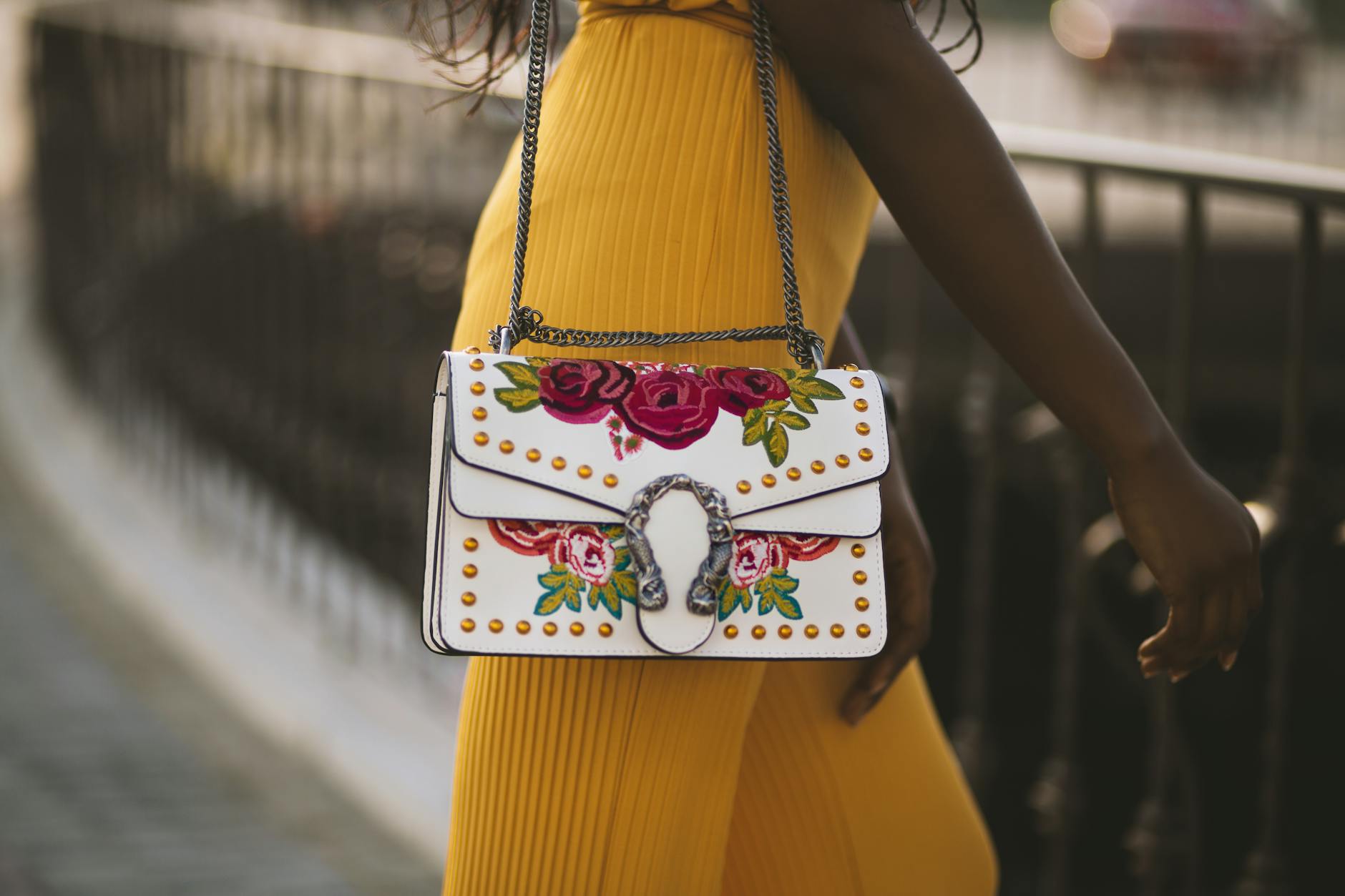
Gucci’s design vocabulary includes recognizable elements: the GG monogram, the red-and-green Web stripe, bold prints, ornate hardware, and color saturation that intentionally departs from minimalism. A professional stylist knows which of these codes to highlight and which to neutralize. A Gucci blazer featuring a subtle logo embroidery pairs seamlessly with evening wear, while a heavily monogrammed piece requires more consideration in formal settings where understated elegance is expected. This distinction matters because context determines whether a design code reads as sophisticated or try-hard.
The warning here is that Gucci’s boldest prints—especially their floral or animal-print designs—are trend-dependent. A Gucci piece that feels contemporary today may feel dated in three years, which is an important consideration for investment-level purchases. If you’re spending two thousand dollars on a bag, a timeless design in black, brown, or burgundy leather holds resale value far better than a season-specific print. The brand’s more refined, minimalist pieces from their collections—structured silhouettes, quiet luxury leather goods, simple monogramming—age far better than their louder counterparts.
Building Cohesion Between Gucci and Fine Jewelry
The intersection of Gucci and fine jewelry requires understanding metallurgical harmony. Gucci frequently uses gold-tone hardware, particularly on their classic designs, which pairs effortlessly with 18k, 14k, or 10k gold jewelry. However, many modern Gucci pieces feature mixed metals or silver-tone accents, which demands either matching those metals or going neutral with rose gold or white precious metals.
A woman wearing a Gucci bag with silver-tone hardware and then layering warm gold jewelry creates visual discord, whereas silver jewelry resolves the tension immediately. A specific example: wearing a Gucci Marmont bag (which typically features gold-tone hardware and a polished metal GG plate) with a vintage diamond pendant on a white gold chain, plus warm gold earrings, creates a coherent visual story that reads wealthy and intentional. The same bag with mismatched metals—perhaps a silver tennis bracelet and rose gold hoops—fragments the look. This coordination extends to less obvious details: the color temperature of your jewelry should match the warmth or coolness of your Gucci hardware and any precious metal accents in your outfit.
Mixing Designer Items with Everyday Luxury Basics
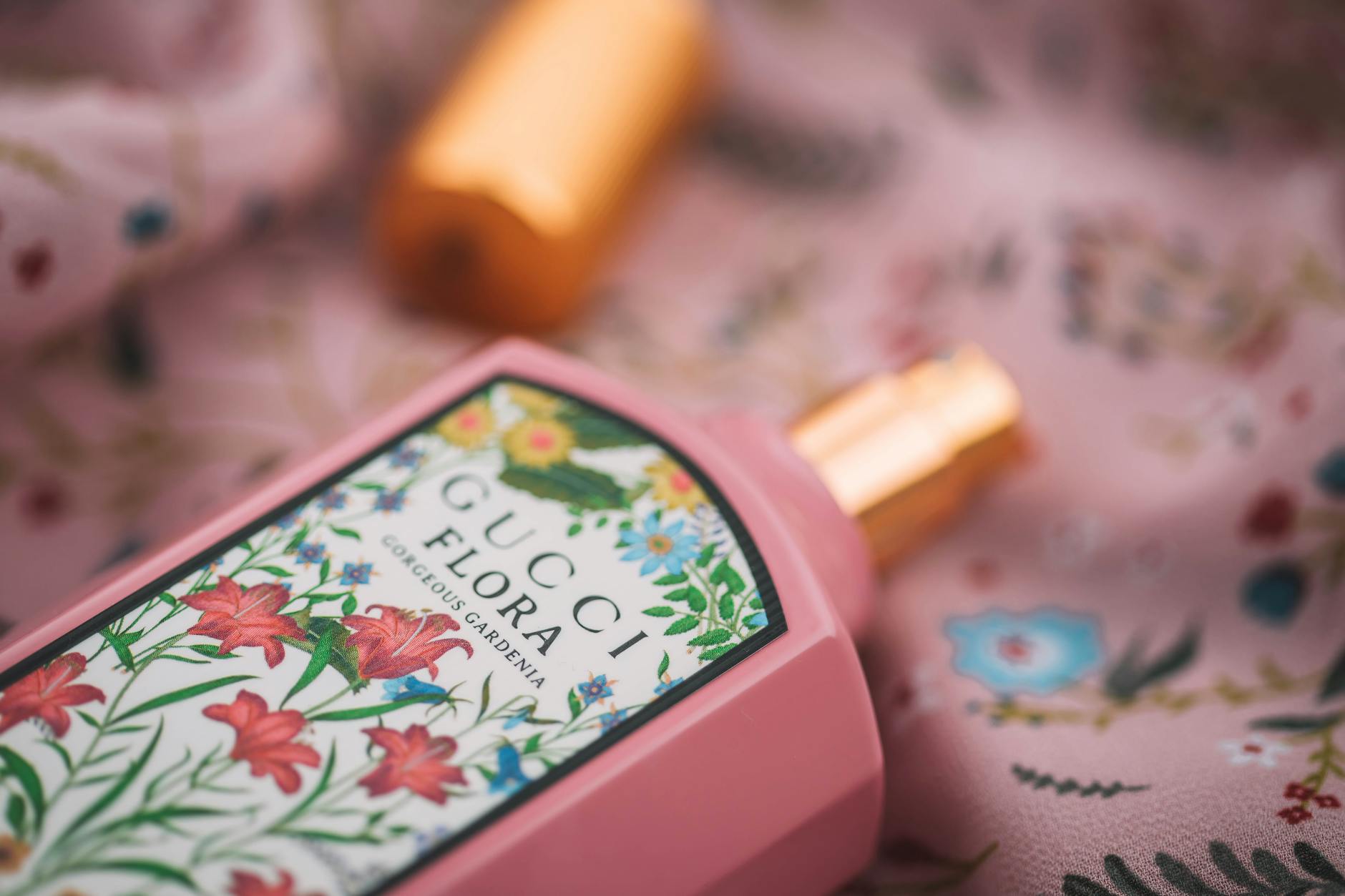
Creating a professional Gucci look requires balancing branded pieces with what fashion editors call “invisible luxury”—items where quality is evident but branding is subtle or absent. A Gucci belt looks sharper against Italian linen trousers than fast-fashion denim. A Gucci loafer elevates a casual outfit only if paired with cashmere, silk, or tailored pieces rather than cotton basics. The trade-off is that this approach requires investment across multiple wardrobe categories, not just one designer brand. You can’t style Gucci professionally if the rest of your clothing is mid-tier in quality.
Consider the difference between two outfits: In the first, a Gucci blazer is paired with department-store silk and budget denim. It reads as someone trying. In the second, the same blazer is worn with subtle but high-quality pieces: tailored trousers from a luxury fabric manufacturer, jewelry from an understated jewelry designer, and a premium leather belt. The Gucci is no longer doing all the work; it’s one element in a sophisticated ensemble. This is the core principle of professional Gucci styling—the Gucci piece should feel inevitable rather than eye-catching within the context of your overall look.
Common Styling Mistakes That Diminish Gucci’s Impact
One of the most frequent mistakes is over-accessorizing with multiple Gucci pieces simultaneously. Wearing a Gucci bag, Gucci shoes, Gucci scarf, and Gucci jewelry in a single outfit doesn’t increase sophistication—it signals insecurity, as if the wearer needs redundant confirmation of brand status. Professional stylists adhere to a one-or-two-Gucci-item maximum per outfit, allowing the pieces to stand as intentional selections rather than collections. A woman who wears one piece of Gucci beautifully every day appears far more discerning than someone who coordinates multiple pieces simultaneously.
Another critical warning: Gucci should never be worn primarily for the logo visibility it provides. If your motivation for a purchase is “so people will know it’s Gucci,” the piece will read as aspirational rather than luxe. The most coveted Gucci styling—among fashion editors, wealth professionals, and actual fashion insiders—favors Gucci pieces where the design quality, construction, or artistry would justify the price even without the brand name. Gucci loafers, for instance, are genuinely well-made shoes; the GG detail enhances them but isn’t the reason they’re worth their price. Conversely, a Gucci piece chosen primarily for logo visibility typically reveals itself to someone who understands luxury.

Investment Pieces Versus Seasonal Gucci Collections
Gucci releases new collections seasonally, and understanding the difference between timeless investment pieces and trend-driven designs is essential for professional styling. Investment-level Gucci includes their iconic bags (like the Marmont or the Bamboo styles), classic loafers, leather belts in neutral colors, and structured blazers in solid colors. These pieces maintain relevance across multiple years and seasons, making them worth the significant investment. A black leather Gucci belt with a simple GG buckle will remain appropriate in your wardrobe for a decade.
Seasonal collections, by contrast, often feature trendy prints, seasonal color palettes, or design elements that feel tied to a specific moment. A Gucci piece covered in vibrant animal prints might feel fresh this season but dated in two years. The comparison is stark: a classic black Gucci leather shoulder bag holds its value and style relevance; a seasonal Gucci piece in a limited-run print becomes harder to style as the trend fades. When styling Gucci professionally, anchor your look around the investment pieces and view seasonal items as temporary accents rather than permanent wardrobe foundations.
The Evolution of Gucci Styling in the Modern Luxury Landscape
Gucci’s position in luxury fashion has shifted significantly in the past decade. Where the brand once symbolized logomania and bold excess, it has gradually moved toward a more nuanced design approach that includes quiet luxury pieces alongside their statement items. A professional understanding of Gucci styling means recognizing this evolution and selecting pieces that align with contemporary luxury values rather than outdated status signaling. Modern luxury increasingly values understatement and personal taste over overt branding, and Gucci’s best recent designs reflect this philosophy.
This evolution opens opportunities for sophisticated styling that previous eras of Gucci didn’t offer. You can now build a genuinely elevated look around Gucci pieces without appearing locked in a trend or dependent on logos. The brand’s investment in craftsmanship and design—separate from branding—means Gucci can compete on quality grounds with luxury houses that never relied on visible logos. This shift rewards the professional stylist who understands context, intentionality, and the difference between luxury that announces itself and luxury that speaks through expertise.
Conclusion
Styling Gucci like a professional begins with understanding that true luxury is an exercise in restraint, intentionality, and visual harmony. Rather than accumulating multiple Gucci pieces, the elevated approach selects one or two carefully chosen items per outfit and builds around them with fine jewelry, quality basics, and complementary pieces that create a cohesive narrative. The most successful Gucci styling looks effortless rather than coordinated, suggesting that the wearer has sufficient discernment to know what belongs together rather than what belongs together because it shares a logo.
Moving forward, build your Gucci collection around investment pieces—classic bags, quality shoes, tailored blazers, and neutral accessories—that will remain relevant across years. Coordinate these pieces with fine jewelry and quality basics that signal wealth through material and construction rather than branding. The brands and people who style Gucci most successfully are rarely thinking about the Gucci brand at all; they’re thinking about silhouette, color harmony, metallic consistency, and whether each element serves the overall look.