
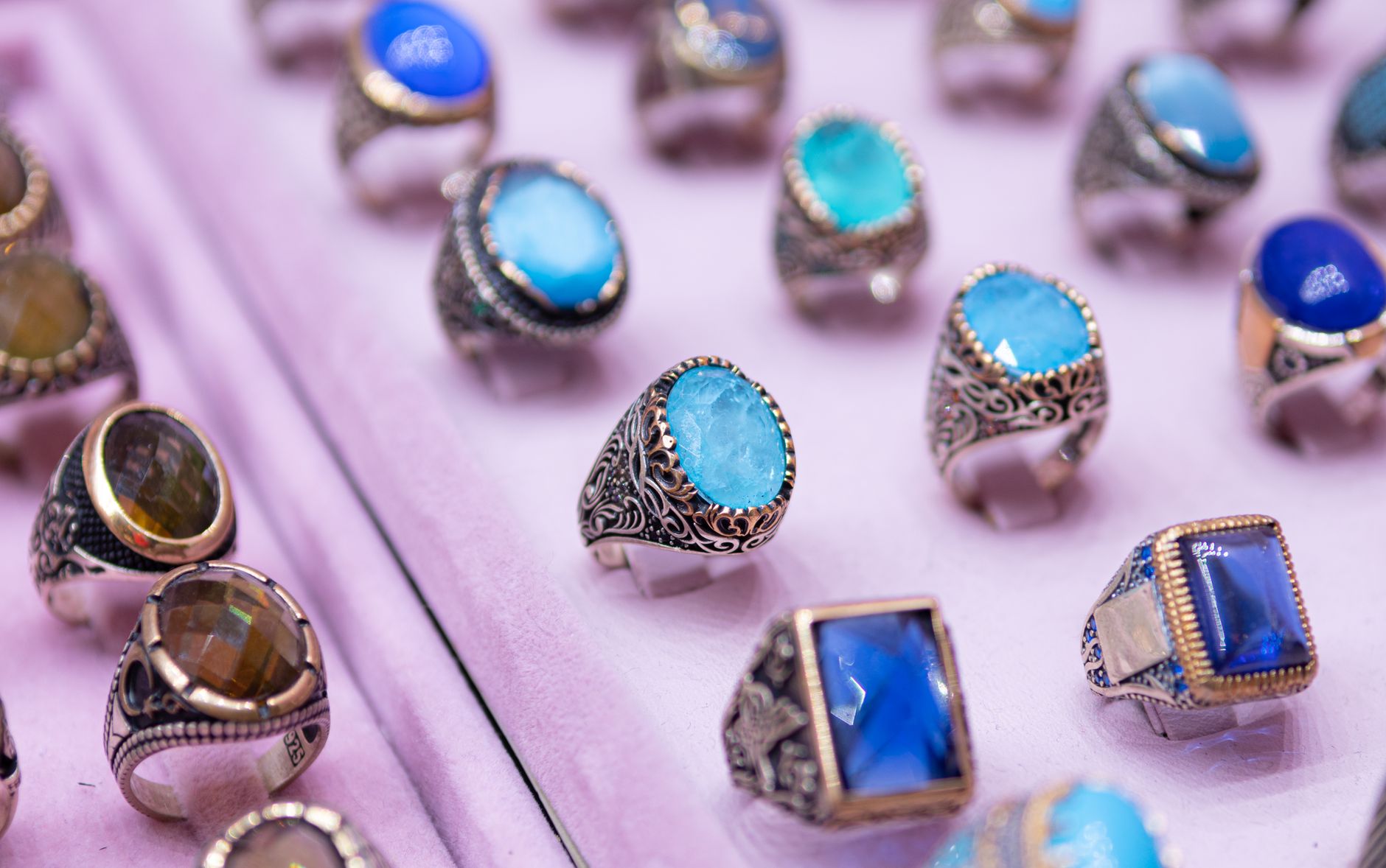
Buy Cyber Week gemstone jewelry only from sellers who state the stone identity, any treatment, and return terms in writing. Walk away from listings that hide those facts behind countdown clocks and vague luxury claims.
Treatment means a routine process such as heating, oiling, dyeing, or glass filling that changes color or clarity. Sellers should name the treatment and say whether it is permanent and needs special care. That disclosure lets you judge value and upkeep before you click buy.
Table of Contents
- What does the listing promise in writing?
- Is the stone natural, lab-grown, or imitation?
- How do you check the seller and the metal?
- What should you do before you pay?
What does the listing promise in writing?
Read the product page as a contract, not a sales pitch. A reliable listing names the exact gemstone, carat weight, cut, dimensions, treatment, and metal type and purity. If those details appear only in photos or headlines, treat the offer as incomplete. Watch for language that blurs identity or value.
Terms like genuine, real, precious, and natural finish sound reassuring but do not identify a stone or treatment. A trustworthy seller uses clear trade terms and explains them in plain words beside the description. Pause when you see these warning signs: Ask for missing facts by message and keep the written reply. If the seller will not add the answer to the listing or invoice, shop elsewhere.
- no treatment disclosure for ruby, sapphire, emerald, jade, or turquoise
- origin, rarity, or investment claims without documents
- star photos with sizes, but no millimeter dimensions
- final-sale rules on high-value gemstone pieces
Is the stone natural, lab-grown, or imitation?
Natural means mined from the earth, while lab-grown means man-made with the same crystal structure. Imitation means another material that only looks similar, such as glass or dyed quartz sold as jade. Each category can be legitimate when labeled, but each carries a different value and care need. Cyber Week confusion often comes from names like created emerald, cultured ruby, or smoky topaz.
Created and cultured usually signal lab growth, while fanciful color names may signal coating or dye. Ask for the exact identity and whether color comes from treatment rather than the crystal itself. Do not rely on a loupe photo or video alone. Lighting, filters, and low resolution can hide fillers, doublets, surface coatings, and harsh color zones. A written identity plus treatment note tells you more than a bright close-up.
How do you check the seller and the metal?
Look for a seller with a stable business address, reachable service contact, and clear return and warranty terms. Read the return window, restocking charge, who pays return shipping, and whether resize or repair voids coverage. Short sale deadlines should never shorten your right to inspect the piece. Check the metal marks and descriptions with the same care.
Terms like gold tone, gold washed, or gold overlay are not solid gold and wear faster. Sterling silver, vermeil, and karat gold each imply a specific base and thickness standard, so the listing should spell out the alloy and plating. Independent paperwork helps on costly pieces, but it has limits. A lab memo can confirm identity and detected treatment, yet it does not set market price or guarantee durability. Match the report number, stone description, and date to the item offered, and be cautious when the document comes only from the seller.
What should you do before you pay?
Compare the same stone type across sellers using stated facts, not sale percentages. A deep discount means little when the starting price, treatment level, size, and metal are unclear. A smaller untreated or lightly treated stone with full papers often holds appeal better than a large heavily treated stone with no records.
Use payment and delivery steps that preserve proof. Pay by a method that allows disputes, keep order emails and screenshots of the listing, and ask that stone identity and treatment appear on the receipt. On arrival, check weight, marks, clasp strength, prong security, and color in daylight. Act quickly if the piece differs from its written promise: Save the listing page and lab note with your receipt, because sale pages often disappear after Cyber Week ends.
- photograph the item, tags, marks, and packaging before wearing it
- note mismatches in stone color, size, treatment, or metal stamp
- contact the seller in writing and request repair, exchange, or return
- keep all messages until the refund or replacement is complete