
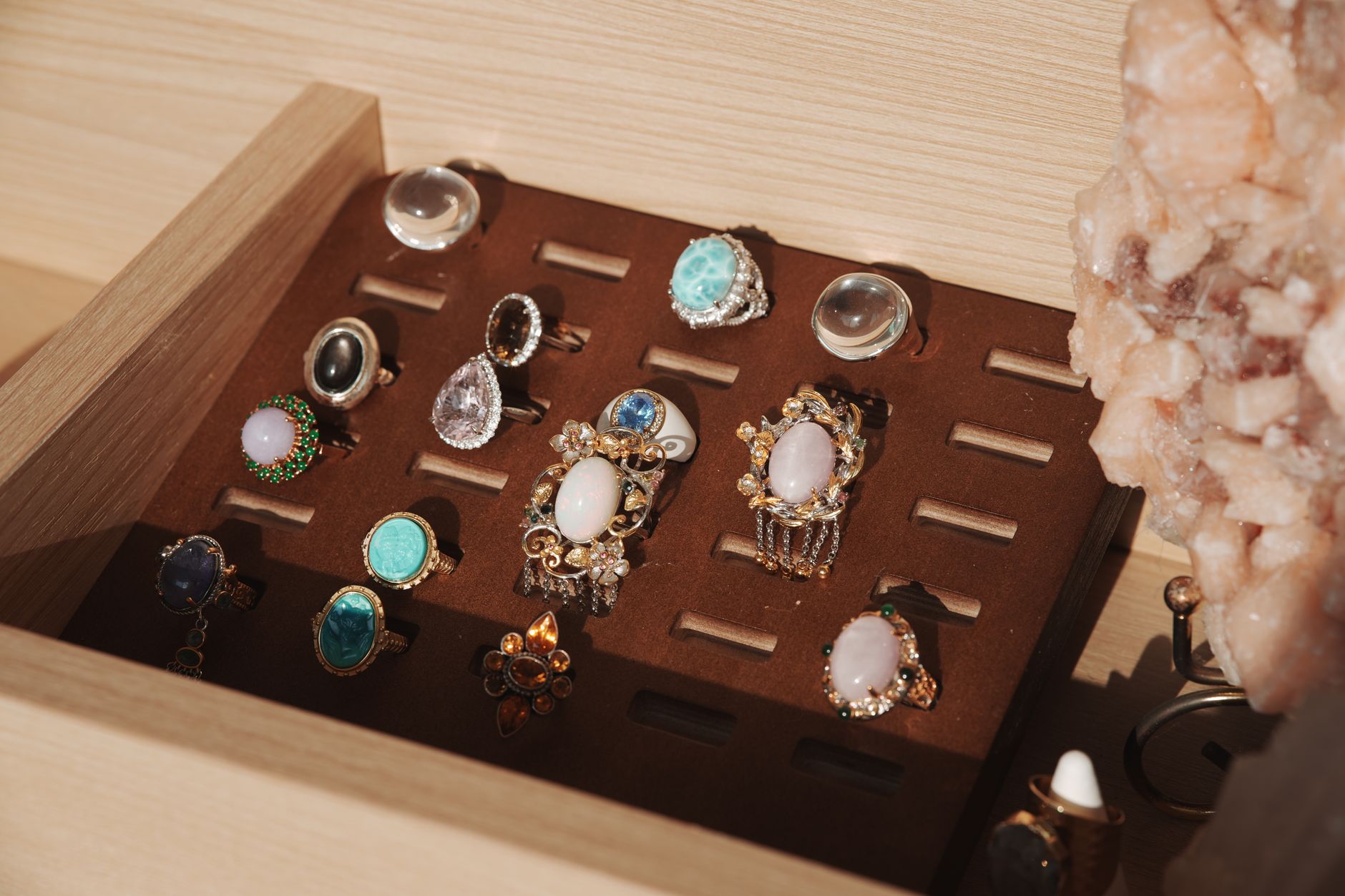
To track gemstone jewelry prices before a Cyber Week purchase, search the exact piece on Google, open its product card and tap Track price with size, color and target price set for alerts. Then record the stone specs and screenshot the baseline price weeks early so a later drop can be judged against fact. Cyber Week is the five-day Thanksgiving-through-Cyber-Monday stretch when many jewelers change prices quickly. A tracked drop can vanish because prices are dynamic, so the written record matters more than memory.
Table of Contents
- Set an alert that catches the exact piece
- Record specs before you compare prices
- Ask about treatment in writing
- Reject listings that hide key facts
- Start early enough for Cyber Week
- Frequently Asked Questions
Set an alert that catches the exact piece
Search the exact piece by name, metal, stone and retailer. Open the product card, tap Track price, choose the size and color options, enter a target price if wanted, then tap OK for push and email alerts on drops.
Google Shopping Help describes this exact flow in the price-tracking help page. Sign in first and leave notifications on, or alerts will not arrive. Tracking is available in the US, Canada, Australia, Japan and India.
Record specs before you compare prices
For diamonds, write down cut, color, clarity and carat for each listing you follow. Two diamonds of equal carat weight can have very different values depending on the other three factors, according to the GIA source behind the diamond buying guide.
For rubies, treat color as the top value factor. Discount stones with obvious inclusions that reduce transparency or brightness, and note that fine-quality prices rise sharply above one carat.
- Metal and item number
- Diamond 4Cs or ruby color, clarity, carat and size
- Treatment statement and lab report number
- Seller, date and screenshotted baseline price
Ask about treatment in writing
Ask the seller in writing whether a colored stone was heated, diffused, or fracture-filled with lead glass. Most ruby has been heated, and some treatments sharply change appearance, care and value. Keep the answer with the price record.
A vague "natural beauty" reply is not a treatment disclosure. If doubt remains, require an independent lab report. A GIA colored-stone report can confirm the stone is natural and state evidence of treatment, identity and, when determinable, origin.
Reject listings that hide key facts
Do not track a listing that omits treatment that is not permanent, needs special care, or significantly affects value. Federal Trade Commission guides call that omission unfair or deceptive.
Apply the same rule to origin. A lab-grown stone sold as "diamond" must place "laboratory-grown" or "laboratory-created" immediately before "diamond" with equal conspicuousness. When a seller fixes the wording, save the new page and restart the price baseline.
Start early enough for Cyber Week
Start tracking weeks before Thanksgiving and screenshot each baseline price. Adobe measured a record $13.3 billion online on Cyber Monday 2024, up 7.3%, the season's biggest online day, as reported in the Adobe press release.
Use the same exact options each time you check, because size and color choices can change the price. Keep alerts on through Cyber Monday, then buy only when the specs, treatment answer and final price all match.
Frequently Asked Questions
Do I need to track the exact size and color?
Yes. Jewelry prices often change by size, metal or color option, so track the variant you would buy.
What makes a ruby listing worth tracking?
Clear color description, inclusion photos, carat weight, written treatment status and, for better stones, an independent lab report.
What should I do if the price drops but the details change?
Treat it as a new item. Save the new specs, treatment wording and price, then compare again.