
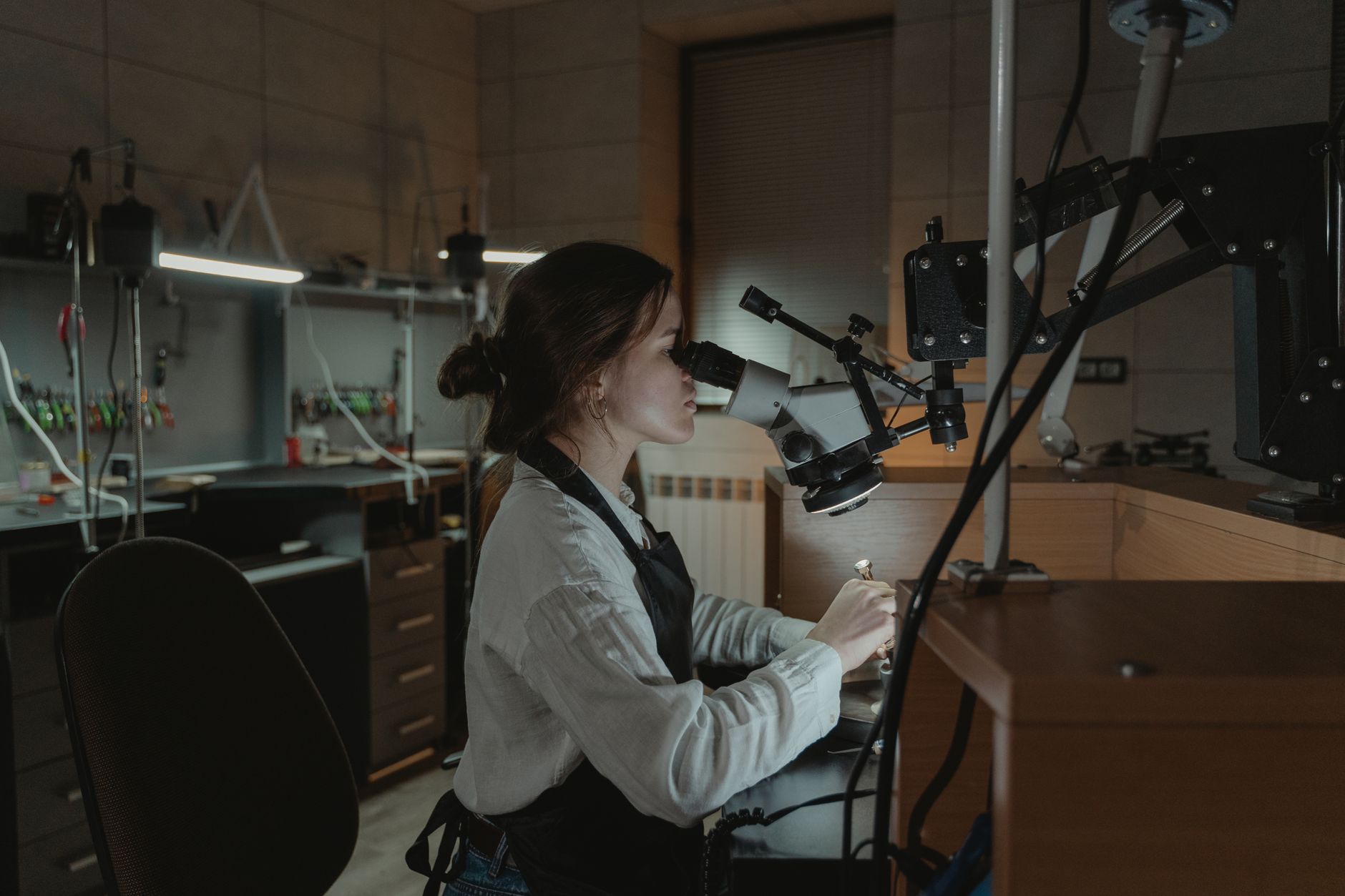
A gem lab certification — usually called a lab report — is an independent laboratory's record of a stone's identity, measurements, and treatments. To verify it, enter the report number in the issuing laboratory's online lookup and match each detail to the stone and receipt.
This check confirms the report exists and describes the stone you are seeing. It does not set value or guarantee that a setting, side stones, or metal are a certain quality. Use it to judge identity and disclosure, then judge price and craftsmanship separately.
Table of Contents
- What does a real lab report show?
- How do you check the report number?
- How do you match the report to the stone?
- What should you get in writing before you pay?
What does a real lab report show?
A complete report names the stone type, shape, measurements, weight, color and clarity grades when used, and any detected treatments. Weight means carat weight, the standard unit for gems, and measurements are length, width, and depth in millimeters. Treatments are processes such as heating, filling, coating, or laboratory growth that change appearance or durability.
The report also lists a unique number, the examination date, and the laboratory's name and security features. Common features include a hologram, watermark, QR code, or a digital copy tied to the same number. If those identifiers are missing or vague, treat the paper as a sales note rather than independent proof.
How do you check the report number?
Start with the laboratory named on the paper, not a jeweler's website summary. Type the laboratory's web address yourself and use its report-check or verify-report tool. Enter the full number exactly, including letters, hyphens, and leading zeros.
A valid result shows the same stone details you see on paper. A message such as not found, expired image, or number format error means stop and ask for clarification. Do not accept a screenshot or photocopy alone, because only the laboratory's live record confirms current data.
- Match laboratory name, report number, date, and stone description line by line.
- Compare measurements, weight, shape, color, clarity, and treatment notes.
- Save or print the online result for your records.
How do you match the report to the stone?
Ask to see the loose stone or the stone's grading details before mounting when possible. Compare the measurements with a caliper reading and check inclusions, the tiny internal features, against any plotted diagram. Small rounding differences can occur, but shape, weight range, and treatment statement should agree.
For mounted jewelry, ask the jeweler to point out how the stone was identified without removal. Many round diamonds carry a tiny laser inscription of the report number on the girdle, the narrow rim around the stone. If the stone cannot be linked to the paper, treat the report as mismatched and do not rely on its grades.
What should you get in writing before you pay?
Ask for a receipt that states the report number, laboratory name, stone identity, weight, and any treatment. Ask whether the stone is natural, laboratory-grown, assembled, or treated, and have that word placed on the receipt. A verbal promise about untreated origin or matching side stones has little use if a problem appears later.
Pause when details shift between the online record, the paper, and the jeweler's description. Check these points side by side before paying: Keep copies of the online result, paper report, and itemized receipt with any appraisal. Bring those papers if you seek a second opinion or an independent appraisal after purchase.
- report number that does not load in the lab's lookup
- grades or treatments that differ from the online entry
- lab name you cannot locate through an independent search
- pressure to buy before verification or removal of identifying paperwork