
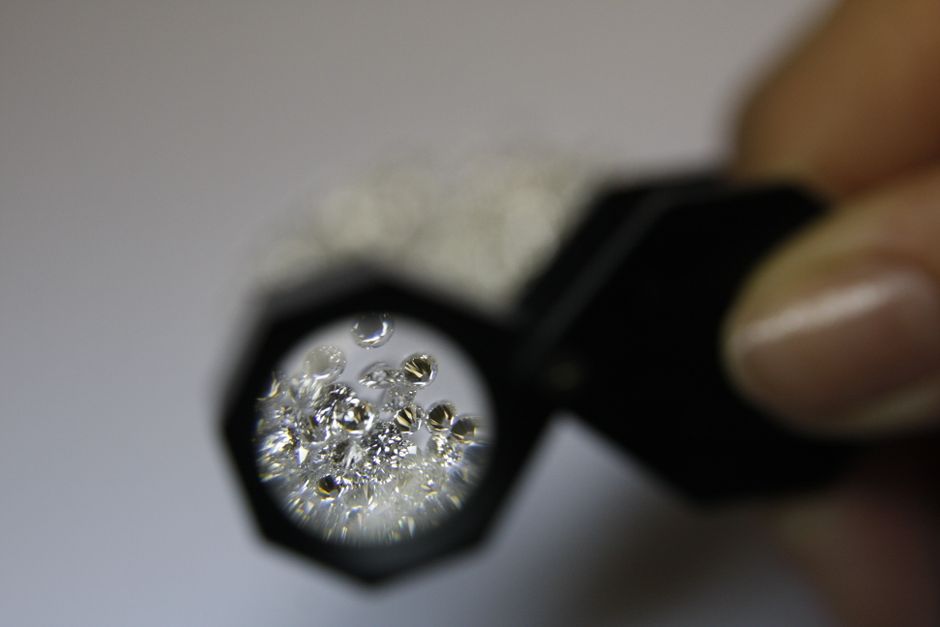
An appraisal is an opinion of value written for a purpose; a grading report is a description of a stone with no value in it at all. Confusing the two is the most expensive mistake in this corner of jewelry buying, because an insurer will not accept a grading report and a buyer should not accept an appraisal as proof of quality.
Appraisal versus grading report
| Grading report | Appraisal | |
|---|---|---|
| Written by | A gemological laboratory | An individual appraiser |
| Says what | Measurements, cut, colour, clarity, treatments detected | A monetary value for a stated purpose |
| Contains a price | No | Yes — that is the whole document |
| Used for | Knowing what you are buying | Insurance, estates, division of property, donation |
Major laboratories deliberately stay out of pricing. A report tells you a stone is a 1.02 ct round brilliant, G colour, VS2 clarity, with no indications of treatment. What that is worth on a given day is a market question, and the answer changes. If a seller hands you a document with a large number on it and calls it a certificate, read the header — see what a “GIA tested” claim actually means.
The value on the page depends on the question asked
The same ring has several defensible values at the same moment, because value is defined by the market you are asking about:
- Retail replacement value. What it would cost to buy a comparable new item at retail today. This is what insurers want, and it is the highest of the numbers.
- Fair market value. The price between a willing buyer and a willing seller, neither under compulsion — used for estates, donations and tax matters. Usually much lower than replacement.
- Marketable cash value / liquidation. What you would realistically receive selling quickly. Lower again.
An appraisal that does not state which of these it is, and the date it applies to, is not a usable document. This is also why a “free appraisal” handed over at the point of sale showing three times the price you paid is a sales tool, not a valuation.
When you actually need an appraisal
- Scheduling jewelry on an insurance policy. Standard homeowner and renter policies cap jewelry theft losses at a low aggregate figure — often in the low thousands — so individual items are scheduled separately, and the insurer wants a current replacement-value appraisal.
- Settling an estate or dividing property. Fair market value, from an appraiser willing to defend the number.
- Donating an item. Tax rules require a qualified appraisal above certain thresholds; ask the appraiser whether they meet the definition before commissioning the work.
- After a significant repair or restoration, or after several years, because both the item and the market have moved.
You do not need an appraisal to buy well. For buying, the useful document is a laboratory report on the stone plus a clear written description of the metal and any treatments.
Choosing an appraiser
Look for gemological training plus appraisal training — they are different skills. Common credentials include GIA’s Graduate Gemologist for the gemology side, and membership or accreditation from appraisal bodies for the valuation side. Three practical filters:
- Fee structure. Charge by the hour or by the item, never as a percentage of the appraised value. A percentage fee gives the appraiser a direct interest in a bigger number.
- Independence. An appraiser who also wants to buy the item, or who works for the shop that sold it, has a conflict. That does not make them dishonest, but the document is weaker for it.
- What is in the report. Photographs, measurements taken by the appraiser, the type of value, the effective date, the methodology, and the appraiser’s signature and credentials.
Red flags in an appraisal document
- No stated purpose or type of value.
- No date, or a date years old presented as current.
- Values quoted “for insurance” that are wildly above comparable retail prices — inflated numbers raise premiums and prove nothing.
- Grading opinions on a mounted stone presented with laboratory-level precision. Once a stone is set, exact colour and clarity grading is limited by what the mounting hides, and a careful appraiser says so.
- No mention of treatments. The FTC Jewelry Guides require disclosure of treatments that are not permanent, that create special care requirements, or that significantly affect value — an appraisal that never raises the subject is incomplete.
What it costs and how often to redo it
Expect an hourly or per-item fee, quoted in advance, with more time needed for complex pieces or unmounted stones requiring full grading. Ask what the fee includes: photographs, a digital copy for the insurer, and whether re-issuing an updated value later is charged at a lower rate. Most insurers want values refreshed every few years, and metal and stone prices move enough that an old document can leave you underinsured.
Frequently asked questions
Is a GIA report an appraisal?
No. GIA grades and describes stones; it does not assign monetary value. An insurer will normally want an appraisal that states a replacement value, and a good appraisal will reference the report.
Why is my appraisal higher than what I paid?
Retail replacement value is what it would cost to replace the item new at retail, which is not the same as a sale price, a discount or an online price. A very large gap is worth questioning — it inflates your premium without increasing what you would actually be paid.
Can I use an appraisal to sell my jewelry?
Only as a description. Buyers pay market prices, not replacement values, so an appraisal set for insurance will overstate what a dealer offers. Ask for a fair market or liquidation figure if selling is the purpose.
Do I need an appraisal for a lab-grown diamond?
For insurance, yes, and the appraisal should state clearly that the stone is laboratory-created. The FTC Jewelry Guides require that disclosure to be clear and conspicuous wherever the stone is described.
Sources
- FTC Jewelry, Precious Metals, and Pewter Industries Guides, 16 CFR Part 23 — treatment disclosure and laboratory-created stone disclosure requirements.
- GIA laboratory services — what a grading report covers, and that it does not include valuation.