

Off-white—the creamy, warm neutral that sits between pure white and beige—has become one of the most sought-after tones in fine jewelry and precious metals because it offers the elegance of white gold or platinum without the starkness, while complementing the widest range of skin tones and wardrobe choices. This subtle shift away from bright, polished finishes reflects broader cultural movements toward understated luxury, vintage aesthetics, and pieces that feel personal rather than performative. Consider how rose gold dominated the 2010s with its distinctive warmth; off-white metals and settings are now filling a similar role for collectors who want sophistication without obvious trend-chasing. The appeal extends beyond mere color preference.
Off-white encompasses everything from champagne-toned diamonds to unrhodium-plated white gold, from ivory-hued pearls to matte-finished platinum pieces. These variations share a common thread: they reject the hyper-polished, almost clinical brightness that characterized luxury jewelry in previous decades. For a generation of buyers who came of age questioning maximalism and conspicuous consumption, the muted warmth of off-white signals taste without shouting. This article examines what’s driving this preference shift, how it manifests across different precious metals and gemstones, the practical considerations for buyers and collectors, and where this trend sits within the larger context of jewelry history. We’ll also address the limitations—because off-white isn’t universally flattering or appropriate for every piece.
Table of Contents
- What’s Behind the Off-White Jewelry Trend and Why Now?
- The Spectrum of Off-White in Precious Metals and Gemstones
- How Off-White Complements Different Skin Tones and Settings
- Choosing Between Off-White and Traditional Bright White Finishes
- Common Misconceptions About Off-White Jewelry
- Off-White Pearls and Their Renewed Appeal
- The Future of Off-White in Fine Jewelry Design
- Conclusion
What’s Behind the Off-White Jewelry Trend and Why Now?
The current interest in off-white metals and gemstones didn’t emerge in isolation. It follows naturally from the broader “quiet luxury” movement that has reshaped fashion, interior design, and consumer goods over recent years. Where previous eras celebrated logos, high shine, and unmistakable newness, contemporary taste increasingly favors subtlety, patina, and timelessness. In jewelry, this translates to finishes and stones that look like they could have been inherited rather than purchased last week. There’s also a practical element at play. Traditional white gold requires rhodium plating to achieve its bright, silvery appearance—a coating that wears off over time and needs periodic reapplication.
Many buyers have grown weary of this maintenance cycle and are instead embracing unplated white gold’s natural yellowish or grayish cast. This “raw” white gold reads as more authentic and requires less upkeep, even if it lacks the mirror-bright finish of freshly plated pieces. The same logic applies to platinum pieces with brushed or matte finishes, which hide wear better than high-polish alternatives. However, it’s worth noting that trend cycles in fine jewelry move slowly compared to fashion. What feels fresh now may have been building for years, and historical context matters. Off-white tones dominated jewelry during certain periods—notably the Edwardian era and parts of the Art Deco movement—so the current preference also carries undertones of revival and nostalgia.

The Spectrum of Off-White in Precious Metals and Gemstones
Understanding what “off-white” means in jewelry requires parsing several distinct categories. In metals, the primary examples include unplated white gold (which typically shows warm, slightly yellow undertones from the gold content), gray gold (alloyed specifically to produce a steel-gray tone), and palladium white gold (which achieves a lighter color without rhodium). Each has a different character, and the “right” choice depends heavily on what gemstones will accompany it and the wearer’s skin tone. Gemstones present their own off-white variations. Champagne diamonds—those with light brown or yellow tints that fall outside the traditional colorless grading scale—have seen remarkable appreciation among collectors who prize their warmth and relative affordability compared to equivalent-sized colorless stones.
Similarly, pearls in cream, ivory, and champagne tones are commanding attention over the stark white Akoya pearls that once dominated the market. Opals with milky, off-white bases rather than black or crystal bases also fit this aesthetic. The limitation here is coordination. Mixing off-white metals with traditional bright white metals in the same piece or jewelry wardrobe can create visual discord. A champagne diamond set in rhodium-plated white gold, for instance, may look dirty rather than intentionally warm because the bright metal makes the stone’s color appear accidental. Successful off-white jewelry typically commits to the palette across the entire piece.
How Off-White Complements Different Skin Tones and Settings
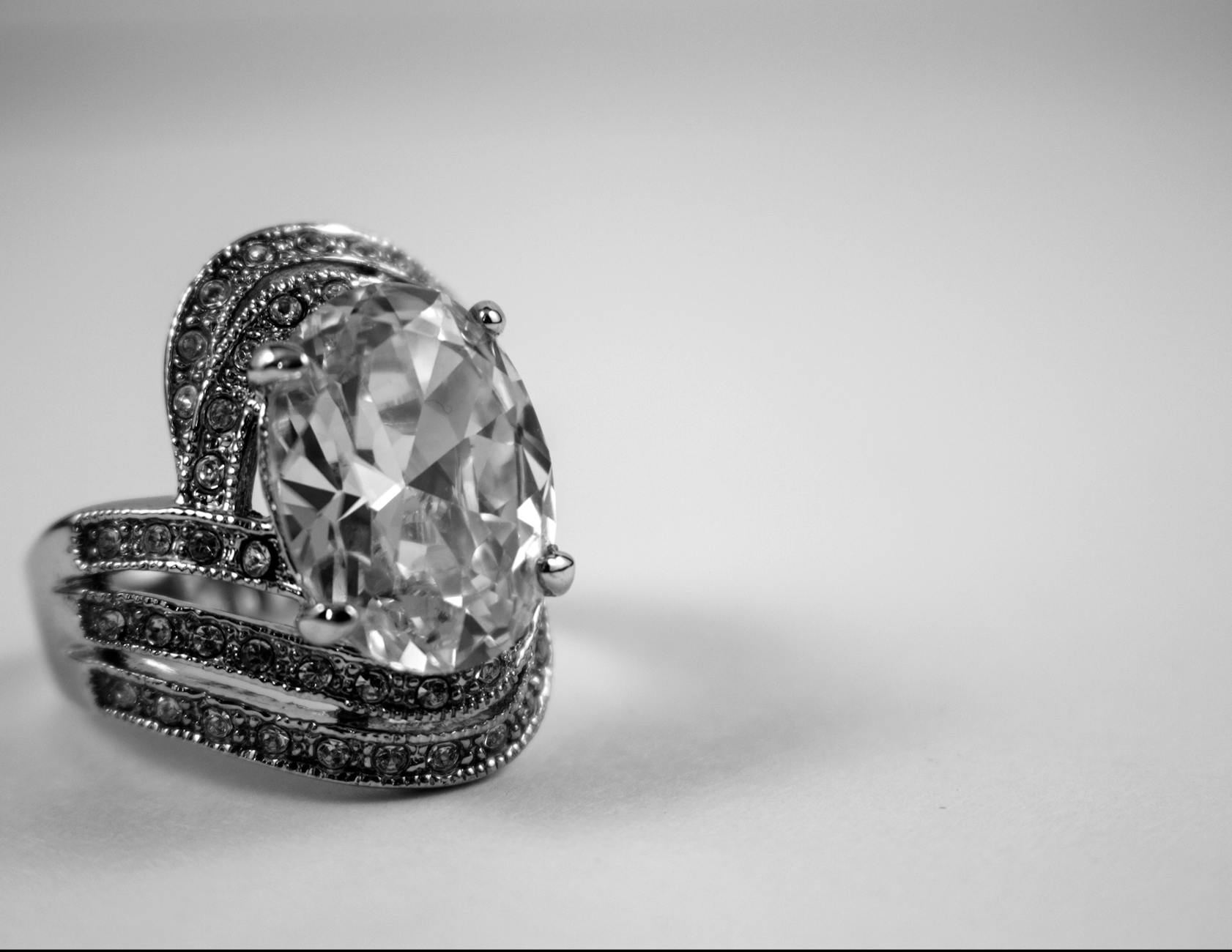
One reason off-white jewelry has gained traction is its versatility across skin tones—a practical advantage that pure white metals don’t always share. Bright, highly polished white gold or platinum can create stark contrast against warmer skin tones, sometimes reading as harsh or clinical. Off-white metals tend to transition more gently, picking up and complementing the natural warmth in most complexions rather than fighting against it. This characteristic makes off-white pieces particularly popular for engagement rings and wedding bands, where the jewelry will be worn daily and photographed extensively.
A slightly warm metal tone tends to photograph more naturally, avoiding the “hot spots” that bright white metals can create under flash photography. Many couples report that off-white settings make their rings look more organic in candid photos, less like obvious jewelry and more like a natural extension of the hand. That said, individuals with very cool, pink-undertoned skin may find that off-white metals look slightly yellow or aged against their complexion. For these wearers, the traditional bright white of rhodium-plated gold or polished platinum may actually be more flattering. The key is recognizing that “universally flattering” is a marketing claim, not a reality—skin tone, personal style, and wardrobe colors all influence whether off-white works for a particular wearer.

Choosing Between Off-White and Traditional Bright White Finishes
The decision between off-white and bright white metals involves several tradeoffs beyond pure aesthetics. Maintenance represents the most practical consideration: unplated white gold develops patina over time but doesn’t require the replating cycle that rhodium-coated pieces demand. For some wearers, this evolving character is part of the appeal; for others, it feels like degradation. Cost structures differ as well. Rhodium plating adds expense upfront and over the lifetime of the piece through maintenance.
However, certain off-white alternatives—particularly palladium white gold or gray gold alloys—may cost more initially due to the precious metals involved in achieving the color. Champagne diamonds, meanwhile, typically cost less per carat than colorless diamonds of equivalent quality, which can allow buyers to purchase larger stones within the same budget. Resale and inheritance considerations also come into play. Traditional bright white metals and colorless diamonds remain the default standard in most markets, meaning off-white pieces may appeal to a narrower pool of future buyers. However, if the piece is intended as a personal treasure or family heirloom rather than an investment, this factor matters less. The comparison ultimately comes down to whether the buyer prioritizes broad market appeal or personal resonance.
Common Misconceptions About Off-White Jewelry
Perhaps the most persistent misconception is that off-white metals or stones represent lower quality than their brighter counterparts. This stems from traditional diamond grading, where colorlessness commands premium prices, and from the assumption that bright white gold represents the “correct” appearance of the alloy. In reality, the yellowish cast of unplated white gold is simply its natural state—rhodium plating is the modification, not the other way around. Another misconception involves durability. Some buyers worry that matte or brushed finishes on platinum and white gold are more fragile than polished surfaces.
The opposite is often true: matte finishes hide scratches and wear marks that would be glaringly visible on high-polish pieces. A brushed platinum band may look nearly identical after years of daily wear, while a mirror-polished band of the same metal will show every contact with hard surfaces. The warning here is against assuming off-white is always the “smarter” choice. For certain applications—particularly formal pieces intended for occasional wear and regular professional cleaning—bright white metals may actually be more practical. The low-maintenance advantage of off-white finishes applies primarily to daily-wear pieces where minor patina and wear are acceptable or even desirable.
Off-White Pearls and Their Renewed Appeal
Within the broader off-white movement, pearls deserve special attention. The mid-twentieth century established bright white Akoya pearls as the standard for classic pearl jewelry, but contemporary collectors are increasingly drawn to cream, champagne, and golden South Sea varieties.
These warmer pearls offer a richness and depth that stark white strands cannot match, and they tend to age more gracefully—slight yellowing over decades is less noticeable against an already warm base tone. Antique and vintage pearl pieces, which have often developed natural patina, are now valued for that character rather than being dismissed as “discolored.” A strand of Edwardian-era pearls with soft ivory undertones may command more interest today than it would have a generation ago, when buyers might have viewed the warmth as deterioration. This represents a genuine shift in how collectors understand and value pearl jewelry.
The Future of Off-White in Fine Jewelry Design
Looking ahead, the off-white moment appears to have staying power beyond typical trend cycles because it aligns with larger cultural shifts rather than specific design motifs. The movement toward sustainability, for instance, favors pieces that don’t require regular chemical treatments like rhodium plating. The interest in vintage and antique jewelry naturally elevates off-white aesthetics, since these pieces often feature unplated metals and warm-toned stones.
Younger generations entering the fine jewelry market have shown particular affinity for off-white options, suggesting this preference will likely intensify as these buyers mature into their peak purchasing years. Jewelers and designers who have historically defaulted to bright white finishes are increasingly offering off-white alternatives, expanding availability and normalizing the aesthetic. While pure white will always have its place in fine jewelry, the days when it represented the singular standard of quality and taste appear to be fading.
Conclusion
The off-white moment in fine jewelry reflects something deeper than color preference—it represents a shift toward authenticity, low maintenance, and personal expression over conformity to traditional standards. From unplated white gold’s natural warmth to champagne diamonds’ subtle glow to cream pearls’ timeless softness, off-white options offer collectors an alternative to the clinical brightness that dominated luxury jewelry for decades. For buyers considering this direction, the key is intentionality.
Off-white works best when it’s chosen deliberately and applied consistently across a piece or collection, rather than accepted as a default or compromise. Understanding the tradeoffs—in maintenance, resale potential, and coordination—allows for informed decisions that serve both aesthetic preferences and practical needs. Whether off-white represents the future of fine jewelry or simply one enduring option among many, its current prominence offers collectors meaningful choices that weren’t readily available a generation ago.