

Nike is having a moment because the brand has successfully repositioned itself at the intersection of athletic performance and cultural cachet, creating products that function as both sporting goods and collectible assets. The company’s strategic collaborations with designers, artists, and athletes have transformed certain sneaker releases into investment-grade commodities, with some limited editions appreciating more than traditional asset classes over comparable periods. The Air Jordan 1 “Chicago” from 1985, for instance, originally retailed for $65 and now commands prices exceeding $5,000 in pristine condition””a return that outpaces most conventional investments over the same timeframe.
This convergence of athletic apparel and alternative investing reflects a broader shift in how collectors and investors view tangible assets. Just as precious metals and fine jewelry have long served as stores of value outside traditional markets, rare sneakers have emerged as a legitimate asset class with their own authentication standards, grading systems, and secondary markets. The article ahead examines the forces driving Nike’s cultural resurgence, the economics of sneaker collecting, how this market compares to traditional luxury goods, the risks involved, and what discerning collectors should understand before entering this space.
Table of Contents
- What Is Driving Nike’s Cultural Resurgence Right Now?
- The Economics Behind Collectible Sneakers as Alternative Assets
- How Nike Collectibles Compare to Traditional Luxury Investments
- Understanding Sneaker Grading and Authentication Standards
- The Role of Limited Releases in Creating Market Value
- What Collectors Should Know Before Entering the Market
- The Future of Nike’s Position in the Alternative Asset Landscape
- Conclusion
What Is Driving Nike’s Cultural Resurgence Right Now?
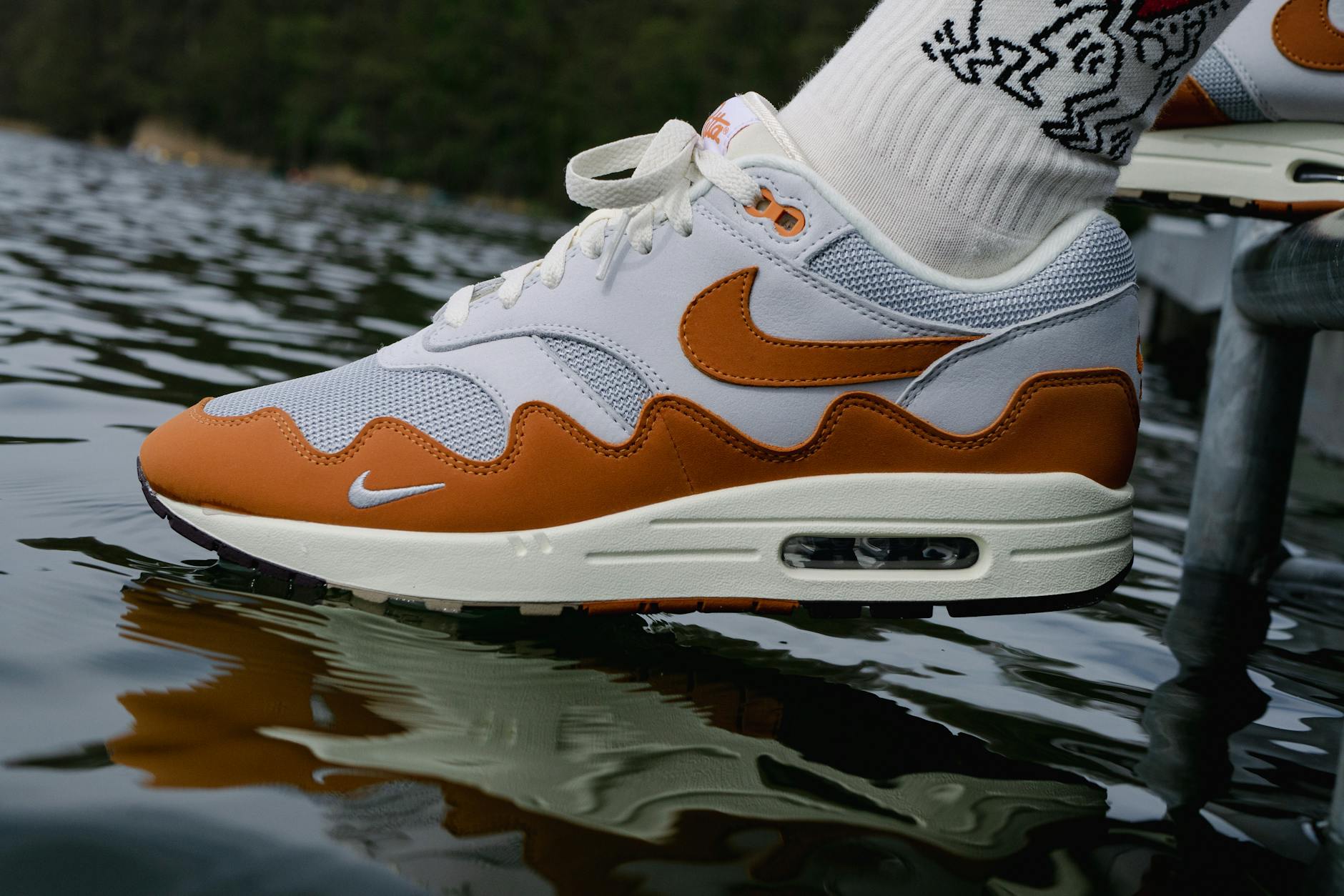
nike‘s current momentum stems from a calculated return to scarcity and storytelling after years of overproduction diluted brand exclusivity. Under new leadership, the company has reduced the volume of releases while increasing the narrative weight behind each drop. The brand’s “Move to Zero” sustainability initiatives, combined with nostalgic retro releases and fresh designer partnerships, have created a sense of urgency that had been missing from Nike releases for several years. The Travis Scott collaborations exemplify this strategy. The rapper’s “Reverse Mocha” Air Jordan 1 low released in 2022 at $150 and immediately traded above $1,000 on secondary markets.
These partnerships generate cultural conversations that extend far beyond sneaker communities, placing Nike products in music videos, fashion editorials, and social media feeds organically. However, this hype-driven model has limitations””not every collaboration succeeds, and the brand has seen several high-profile partnerships underperform when the cultural timing missed the mark or when oversaturation set in. The athletic performance side of the business has also contributed to the moment. Nike’s carbon-plated running shoes, particularly the Vaporfly and Alphafly lines, have dominated elite marathon running, with athletes wearing them setting multiple world records. This technical credibility reinforces the premium positioning that makes limited releases feel justified in their pricing.
The Economics Behind Collectible Sneakers as Alternative Assets
The sneaker resale market reached an estimated $10 billion globally, with projections suggesting continued growth as more investors recognize the asset class. Unlike precious metals, which derive value from scarcity and industrial application, or jewelry, which combines materials with craftsmanship, sneakers derive value from cultural relevance, artificial scarcity, and emotional connection. Platforms like StockX and GOAT have introduced transparency to pricing, functioning as exchanges where buyers and sellers transact based on real-time market values. Authentication has become the cornerstone of this market, much as certification matters for diamonds or assay marks matter for precious metals. StockX authenticates every transaction, while independent services have emerged to verify sneakers outside of these platforms.
A pair without proper authentication loses significant value, just as an uncertified gemstone trades at a discount to its certified equivalent. The difference lies in standardization””while gold is gold regardless of its source, a sneaker’s value depends heavily on colorway, release date, condition, and provenance. The liquidity profile of sneakers differs substantially from traditional collectibles. High-demand releases can be converted to cash within days through established platforms, whereas selling fine jewelry or rare coins often requires finding specialized buyers or accepting auction house timelines. This liquidity comes with trade-offs: transaction fees on sneaker platforms typically run 9-15%, eroding gains on shorter-term holdings.
How Nike Collectibles Compare to Traditional Luxury Investments
Comparing sneakers to precious metals reveals fundamental differences in value preservation. Gold has maintained purchasing power across millennia, while even the most iconic sneakers face material degradation””rubber crumbles, adhesives fail, and foam compresses over time. A pristine pair of 1985 Air Jordans requires careful climate-controlled storage, and even then, wearing them risks destroying the very value that made them collectible. This stands in stark contrast to gold jewelry, which can be worn daily while retaining its intrinsic material value. The investment thesis for sneakers relies more heavily on cultural continuity than material scarcity. Nike could theoretically reproduce any historical release, as they have done with numerous retro models.
When the company re-releases a classic colorway, original versions often appreciate further due to their authenticity, but this dynamic requires ongoing cultural relevance. If sneaker culture were to shift dramatically””as it did when previous footwear trends faded””holdings could depreciate rapidly. Precious metals face no equivalent risk of cultural obsolescence. However, for collectors interested in tangible assets with cultural significance, sneakers offer something metals cannot: wearability and visible signaling. A rare pair worn to an appropriate venue communicates taste and access in ways that a gold bar stored in a vault never could. This social utility represents real value for certain collectors, even if it complicates the pure investment case.

Understanding Sneaker Grading and Authentication Standards
The sneaker market has developed grading systems that mirror those used for coins, trading cards, and other collectibles. Condition matters enormously, with deadstock (never worn, in original packaging) commanding significant premiums over even lightly worn examples. Companies like CheckCheck and Legit Check have built businesses around verification, while major platforms employ teams of authenticators who examine stitching patterns, materials, box labels, and manufacturing details. Counterfeiting presents a persistent challenge that distinguishes this market from precious metals, where assay tests provide definitive answers.
High-quality replica sneakers have become sophisticated enough to fool casual observers, and some counterfeits circulate even on authenticated platforms due to human error. In 2020, Nike sued StockX alleging that counterfeit products had passed through their authentication process, highlighting the ongoing arms race between manufacturers, authenticators, and counterfeiters. For collectors accustomed to the relative simplicity of precious metal verification””where XRF analyzers and acid tests provide certainty””the sneaker authentication landscape requires more research and platform trust. Purchasing from established channels, maintaining purchase documentation, and understanding the specific authentication markers for high-value releases reduces but does not eliminate counterfeiting risk.
The Role of Limited Releases in Creating Market Value
Nike’s SNKRS app has become the primary battleground for limited releases, using a raffle system that determines who can purchase coveted drops at retail prices. Winning a raffle for a hyped release essentially grants the winner an immediate paper gain, as secondary market prices often double or triple retail within hours. This gamification has attracted both genuine collectors and resellers who treat the process as a business, using bots and multiple accounts to improve their odds. The company has taken steps to combat reseller activity, including blockchain-based authentication through its .SWOOSH platform and exclusive access for members who engage with the brand beyond mere purchasing.
These efforts reflect the tension between maintaining scarcity (which drives cultural value) and allowing fans to actually acquire products (which builds brand loyalty). When releases become impossible for average consumers to purchase, frustration can erode the very cultural goodwill that makes the products valuable. Compare this to the precious metals market, where premiums above spot price exist but rarely approach the 500-1000% markups seen on limited sneaker releases. The metals market benefits from fungibility””one ounce of gold is interchangeable with another””while sneakers derive value precisely from their non-fungibility. This creates opportunities for those who successfully acquire limited releases but also creates a more volatile and less predictable market overall.
What Collectors Should Know Before Entering the Market
New entrants to sneaker collecting should understand that the market favors knowledge and access. Learning which releases will appreciate requires following sneaker culture, understanding designer and athlete partnerships, and developing taste for colorways and silhouettes. Unlike precious metals, where fundamental analysis focuses on supply, industrial demand, and monetary policy, sneaker valuation requires cultural literacy that takes time to develop. Storage and insurance present practical considerations often overlooked by new collectors. Sneakers should be stored in climate-controlled environments away from direct sunlight, with silica packets to control moisture.
Original boxes add value and should be preserved. Insurance for valuable collections requires specialized coverage, as standard homeowners policies typically cap collectibles coverage or exclude them entirely. These carrying costs reduce net returns and should factor into any investment analysis. The tax treatment of sneaker sales varies by jurisdiction but generally follows collectibles rules, which in the United States means gains may be taxed at higher rates than standard capital gains. Maintaining purchase records, authentication documentation, and sales receipts becomes essential for collectors building significant positions.
The Future of Nike’s Position in the Alternative Asset Landscape
Nike’s acquisition of RTFKT, a company specializing in virtual sneakers and NFT technology, signals the brand’s intention to extend its collectibility into digital realms. While the NFT market has cooled considerably from its 2021-2022 peaks, the underlying technology offers solutions to authentication and provenance challenges that plague physical collectibles. A future where every physical sneaker release includes a blockchain-verified digital twin could fundamentally change how collectors verify and trade their holdings.
The company’s sustainability initiatives also position it well for a consumer landscape increasingly concerned with environmental impact. If Nike successfully creates desirable products from recycled materials while maintaining the quality and aesthetics that drive collecting, it may capture both cultural and ethical high ground. However, the fundamental tension between limited-release culture (which encourages hoarding and reselling) and sustainable consumption remains unresolved.
Conclusion
Nike’s current moment reflects a convergence of strategic brand management, cultural partnerships, and the maturation of sneakers as a recognized alternative asset class. For collectors who appreciate tangible assets with cultural significance, understanding this market offers diversification beyond traditional precious metals and jewelry. The key similarities””scarcity, authentication requirements, and emotional value beyond pure utility””make sneakers conceptually accessible to those already comfortable with collectible investing.
The differences, however, are substantial. Material degradation, counterfeiting risks, platform dependency, and cultural volatility create a risk profile distinct from precious metals or fine jewelry. Collectors should approach this market with clear eyes about these limitations, allocating capital they can afford to see fluctuate significantly, and investing the time to develop genuine knowledge of the space. For those who do the work, Nike’s moment represents a legitimate opportunity; for those seeking the stability of gold or the permanence of diamonds, traditional alternatives remain more appropriate.