

Jordan is having a moment because the small Middle Eastern kingdom has emerged as an unexpected hub for ethically sourced gemstones, artisanal jewelry craftsmanship, and a growing gold refining sector that appeals to buyers seeking alternatives to traditional supply chains. The country’s strategic location, political stability relative to its neighbors, and government investment in luxury goods production have created a perfect storm for collectors and investors looking beyond the usual markets of Dubai, Geneva, and Hong Kong. The Amman Design Week showcase in 2024 brought international attention to Jordanian jewelers who blend ancient Nabatean motifs with contemporary metalwork, and several high-profile auction houses have since added Jordanian pieces to their Middle Eastern collections.
Beyond jewelry, Jordan’s gold souk in downtown Amman has quietly become a destination for bullion buyers who appreciate the kingdom’s transparent import regulations and competitive pricing compared to regional competitors. This article explores the specific factors driving Jordan’s rise in the precious metals and luxury jewelry space, from its emerging gemstone trade routes to the craftspeople reviving centuries-old techniques. We will examine the practical considerations for buyers interested in Jordanian gold and jewelry, the limitations that still exist in this developing market, and what the future holds for this unexpected player in the global luxury sector.
Table of Contents
- What Is Driving Jordan’s Rise in the Precious Metals and Jewelry Market?
- The Artisan Revival Shaping Jordanian Jewelry Design
- Jordan’s Gold Souk and Bullion Market Explained
- How Jordanian Gemstones Compare to Traditional Sources
- Common Pitfalls When Buying Precious Metals in Jordan
- Investment-Grade Gold Products Available in Jordan
- The Future Outlook for Jordan’s Luxury Sector
- Conclusion
What Is Driving Jordan’s Rise in the Precious Metals and Jewelry Market?
jordan‘s emergence stems from deliberate government policy combined with fortunate geography. The Jordan Investment Commission has offered tax incentives to jewelry manufacturers since 2019, and the results are becoming visible. Several Italian and Lebanese jewelry houses have established secondary workshops in the Aqaba Special Economic Zone, where import duties on raw materials remain minimal and skilled labor costs roughly 40 percent less than in Beirut or Milan. The kingdom also benefits from its position along ancient trade routes that are becoming relevant again.
Gemstone dealers increasingly move product through Jordan from East African sources in Tanzania and Mozambique, avoiding the congestion and higher fees associated with Dubai’s dominant position. A sapphire dealer based in Amman noted in a 2024 industry interview that transit times from Tanzanian mines to European buyers decreased by nearly a week when routing through Queen Alia International Airport rather than through traditional Gulf hubs. Political stability plays an underappreciated role. While not without its challenges, Jordan has maintained consistent trade policies and banking regulations that make international transactions relatively straightforward. For high-value goods like gold bullion and finished jewelry, this predictability matters enormously to buyers who have grown wary of sudden regulatory shifts in other regional markets.

The Artisan Revival Shaping Jordanian Jewelry Design
Jordanian jewelry is carving out a distinct identity rooted in archaeological heritage. Designers like Lama Hourani and the workshop collective at the Jordan River Foundation have drawn international press for pieces that reference Petra’s rose-red sandstone and Byzantine-era goldwork discovered at sites like Jerash. These are not mere replicas but contemporary interpretations that command premium prices at galleries in London and New York. The craftsmanship revival extends to metalworking techniques that nearly disappeared during the twentieth century. Traditional Jordanian filigree, known locally as “talli,” involves twisting fine gold or silver wire into intricate patterns without soldering.
A handful of workshops in Salt and Madaba have trained younger artisans in these methods, though the learning curve is steep””mastering talli typically requires three to five years of apprenticeship. However, buyers should understand that not everything marketed as “Jordanian artisan jewelry” meets this standard. The influx of interest has predictably attracted mass-produced pieces from China and India bearing misleading labels. Reputable dealers will provide documentation of workshop origin and often arrange visits to the actual studios. If a seller cannot or will not provide this verification, the piece likely originated elsewhere.
Jordan’s Gold Souk and Bullion Market Explained
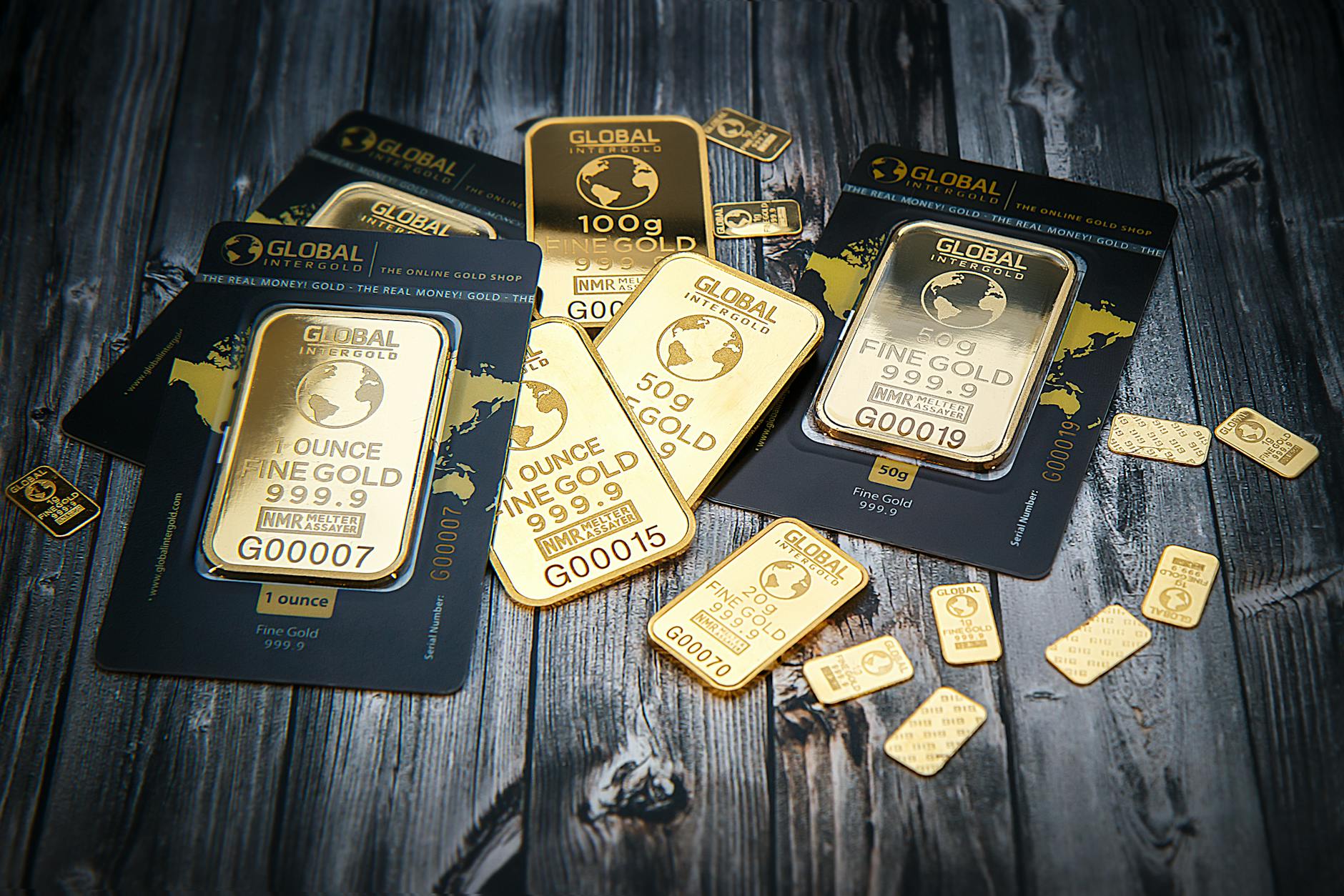
The Amman Gold Souk, centered in the downtown Wasat al-Balad district, operates differently from the more famous souks of Dubai or Istanbul. Prices here track international spot rates closely, with typical premiums of 3 to 5 percent over spot for standard bullion products””competitive with major markets but not dramatically cheaper. What distinguishes Amman is the availability of smaller denomination bars and the willingness of established dealers to work with international buyers on documentation and shipping. Jordan’s Central Bank maintains strict oversight of gold imports and exports, which adds legitimacy but also bureaucratic friction.
Buyers purchasing more than 500 grams must register the transaction and may face questions about fund sourcing, similar to anti-money laundering protocols elsewhere. For serious collectors, this transparency actually increases confidence in the supply chain’s integrity. The souk also trades in “scrap” gold””old jewelry melted for its metal content””at prices roughly 8 to 12 percent below spot. This discount reflects refining costs and purity verification requirements. Buyers interested in scrap purchases should insist on independent assay testing; while outright fraud is rare in established shops, mislabeled purity remains a risk with secondhand gold anywhere in the world.
How Jordanian Gemstones Compare to Traditional Sources
Jordan itself produces few gemstones domestically, but its role as a trading hub has brought attention to stones passing through its markets. Ethiopian opals, Tanzanian tanzanite, and Mozambican rubies increasingly appear in Amman’s gem shops, often at prices 10 to 20 percent below what similar stones fetch in Bangkok or Jaipur. The savings reflect lower overhead costs rather than quality differences. The comparison with established gemstone markets reveals both advantages and drawbacks. Bangkok remains superior for selection and expert grading services””no Jordanian dealer currently offers GIA-certified assessment on site.
Jaipur dominates for colored stone cutting and treatment expertise. Jordan’s value proposition lies in access to certified stones at competitive prices without the overwhelming scale that can intimidate newer collectors. For buyers prioritizing ethical sourcing, Jordan offers a meaningful alternative to traditional channels. Several Amman dealers specialize in conflict-free stones with full chain-of-custody documentation from mine to market. This transparency costs more””ethical premiums run 15 to 25 percent””but satisfies buyers for whom provenance matters as much as appearance.
Common Pitfalls When Buying Precious Metals in Jordan
First-time buyers in Jordan frequently underestimate the importance of establishing relationships with dealers. Unlike Western retail environments where posted prices are final, Jordanian gold and jewelry shops expect negotiation. Walking in cold and paying sticker price typically means overpaying by 10 to 15 percent. Repeat customers and those introduced through trusted intermediaries receive significantly better terms. Currency considerations catch some international buyers off guard. While the Jordanian dinar is pegged to the US dollar at a fixed rate, actual exchange availability can vary.
Large transactions often proceed in dollars or euros directly, but smaller purchases may require dinar payment. Credit card acceptance has expanded but still incurs fees of 3 to 5 percent that eat into any savings. Shipping and export procedures demand attention. Jordan allows personal export of jewelry and small quantities of gold without permits, but anything exceeding 250 grams of bullion requires customs declaration and potentially export fees. Several foreign buyers have faced delays at Queen Alia Airport when attempting to depart with undeclared purchases. Working with established dealers who handle export documentation eliminates most of these headaches, though their services add cost.

Investment-Grade Gold Products Available in Jordan
The Jordanian market primarily trades standard international products””PAMP Suisse bars, Perth Mint ingots, and similar LBMA-accredited bullion carry the same premiums in Amman as anywhere else. Where Jordan offers something different is in regional products, particularly gold bars from the Emirates Gold refinery and Turkish producers that may be less available in Western markets.
Jordanian sovereign coins present an interesting niche opportunity. The Central Bank has issued commemorative gold pieces intermittently since the 1960s, and these carry modest numismatic premiums over melt value. The 1994 King Hussein memorial coins and the 1999 Abdullah II coronation issues trade at roughly 20 to 30 percent over spot among regional collectors, though liquidity remains limited compared to American Eagles or Canadian Maples.
The Future Outlook for Jordan’s Luxury Sector
Industry observers expect Jordan’s position to strengthen as regional dynamics continue shifting. The kingdom’s free trade agreements with the European Union and United States eliminate tariffs on finished jewelry exports, making Jordanian production increasingly attractive for brands seeking to diversify manufacturing away from traditional centers. At least two major European jewelry houses are reportedly exploring Amman-area production facilities.
The risks should not be ignored. Jordan’s economy remains vulnerable to regional instability, and any serious security deterioration would quickly reverse the gains of recent years. Water scarcity and energy costs also constrain industrial expansion. Still, for the moment, Jordan offers a compelling combination of value, authenticity, and market access that explains why serious buyers are paying attention.
Conclusion
Jordan’s emergence in the precious metals and luxury jewelry space reflects genuine structural advantages rather than mere marketing. The combination of artisanal craftsmanship rooted in archaeological heritage, competitive bullion pricing with strong regulatory oversight, and strategic positioning along evolving trade routes has created real opportunities for informed buyers.
The market rewards those who invest time in building dealer relationships and understanding local practices. For collectors and investors considering Jordanian purchases, the practical path forward involves starting with smaller transactions to establish trust, insisting on proper documentation for all significant purchases, and accepting that the market’s developing status means fewer conveniences than mature alternatives. Those willing to navigate these considerations will find value that more crowded markets no longer offer.