

Bape is having a moment because the brand has successfully bridged two worlds that rarely overlap with this much momentum: legacy streetwear credibility and the kind of scarcity-driven collectibility that precious metals investors already understand instinctively. After years of being dismissed by some as a relic of mid-2000s hype culture, A Bathing Ape has re-entered the conversation through a series of high-profile collaborations, a leadership restructuring under NIGO’s indirect influence, and a broader cultural shift that now treats vintage streetwear pieces the way serious collectors treat gold coins or limited-edition Rolexes. The Bape Sta sneaker, for example, has seen resale values climb by over forty percent on secondary markets since early 2025, with certain colorways trading at multiples that would make any alternative asset allocator pay attention.
This resurgence is not accidental. It coincides with a generation of consumers who grew up seeing Pharrell and Kid Cudi in full Bape camo now reaching peak earning years, while Gen Z discovers the archive through social media with fresh eyes. The result is a dual demand engine that few heritage streetwear brands can replicate. This article examines why Bape’s current momentum matters beyond fashion, how its pieces function as tangible collectible assets, what parallels exist between streetwear valuation and precious metals markets, and where the brand’s trajectory might lead for those who think about value in unconventional terms.
Table of Contents
- What Is Actually Driving Bape’s Current Resurgence?
- How Bape Pieces Function as Alternative Collectible Assets
- The Nigo Effect and Why Creative Leadership Shapes Brand Value
- What to Look for When Evaluating Bape as a Collectible
- Authentication Challenges and the Counterfeit Problem
- The Intersection of Streetwear and Luxury Jewelry Markets
- Where Bape Goes from Here
- Conclusion
- Frequently Asked Questions
What Is Actually Driving Bape’s Current Resurgence?
Three forces converged to put bape back in the spotlight. First, the brand’s parent company restructured its creative pipeline after years of diluted output under I.T Group’s ownership, tightening the number of seasonal releases and leaning harder into limited drops. This is a playbook straight from the luxury watch industry: reduce supply, increase desirability. Second, collaborations with partners like Coach, Kid Cudi’s MOTR line, and several Japanese luxury houses have positioned Bape alongside names that signal taste rather than trend-chasing.
When a Bape x Coach leather goods capsule sells out in under twelve minutes, the signal is clear that this is not nostalgia buying alone. Third, and perhaps most importantly, the vintage market has legitimized Bape’s older pieces as genuine collectibles. A 2003 Bape shark hoodie in deadstock condition now regularly commands north of three thousand dollars, a price point that puts it in the same conversation as entry-level luxury jewelry. Authentication services like Entrupy and CheckCheck have developed specific Bape verification protocols, which tells you everything about the seriousness of this market. The infrastructure that surrounds a collectible asset class, from authentication to grading to secondary market liquidity, now exists for Bape in a way it did not five years ago.

How Bape Pieces Function as Alternative Collectible Assets
The comparison between limited streetwear and precious metals is not as strange as it might sound on the surface. Both derive significant value from scarcity and provenance. A Bape piece from a specific collaboration carries a verifiable production number, an identifiable date of manufacture, and a condition grading system that mirrors what you would find in numismatics. The Bape Sta “Patent Leather” release from late 2025, limited to eight hundred pairs globally, has appreciated roughly sixty percent from its retail price within four months. That outpaces most traditional investments over the same period.
However, anyone comparing streetwear to gold or silver needs to understand a critical difference: liquidity risk. You can sell an ounce of gold anywhere in the world within hours at a price that tracks a transparent global market. Selling a rare Bape piece requires finding the right buyer, often through platforms like Grailed or StockX, and the spread between bid and ask can be substantial. If you need to liquidate quickly, you may take a twenty to thirty percent haircut. This matters enormously if you are thinking about streetwear as a store of value rather than a speculative play. The pieces hold value well over time, but they are not liquid assets in any traditional sense.
The Nigo Effect and Why Creative Leadership Shapes Brand Value
NIGO, the founder of Bape, sold the brand in 2011 and has since become the creative director of Kenzo under LVMH. While he no longer directly controls Bape’s output, his ongoing cultural relevance keeps the brand’s origin story alive in ways that matter to collectors. When NIGO wore vintage Bape pieces at the 2025 Met Gala, resale prices for those specific items spiked within days. This is the founder effect in action, and it mirrors how certain watchmakers or jewelers see their earlier work appreciate when their later career achievements bring renewed attention.
The current Bape design team has been smart about leveraging this dynamic without overplaying it. They have reissued select archive pieces with enough modification to distinguish them from originals, which actually increases the value of the true vintage versions. This is identical to how a jewelry house might release a heritage collection inspired by a 1960s design, which in turn draws collectors back to the original pieces. The interplay between new production and vintage scarcity is a value-creation engine that Bape is now running more deliberately than ever.

What to Look for When Evaluating Bape as a Collectible
If you are approaching Bape from a collector’s mindset rather than a fashion consumer’s perspective, the evaluation criteria shift significantly. Collaboration pieces consistently outperform mainline releases on the secondary market. A standard Bape shark hoodie might hold its retail value or appreciate modestly, while a Bape x Comme des Garçons piece from the same season could double or triple. The collaboration partner matters as much as the piece itself, similar to how a jeweler’s work with a specific gemstone source can dramatically affect a piece’s long-term value.
Condition is the other decisive factor, and this is where the tradeoff between wearing and preserving becomes real. Deadstock pieces with original tags and packaging command a premium of forty to sixty percent over worn examples in good condition. This creates a genuine tension for buyers: a Bape jacket you actually wear and enjoy will almost certainly be worth less in five years than one kept sealed in a climate-controlled closet. Precious metals do not have this problem since a gold bar does not degrade with use. Anyone building a Bape collection with an eye toward value retention needs to decide early whether they are building a wardrobe or a portfolio, because the strategies are fundamentally different.
Authentication Challenges and the Counterfeit Problem
Bape’s resurgence has predictably brought a surge in counterfeits, and this is one of the most significant risks for anyone treating these pieces as collectible assets. The sophistication of Bape fakes has reached a level where even experienced buyers can be fooled by visual inspection alone. Stitching quality, tag fonts, and even zipper hardware have been replicated with alarming accuracy on counterfeits coming out of production facilities that may have once manufactured legitimate goods. This is not a peripheral concern.
Estimates from resale platforms suggest that between fifteen and twenty percent of Bape items submitted for sale fail authentication checks. For comparison, the counterfeit rate for luxury watches on secondary markets runs around five to eight percent. If you are spending two thousand dollars on a vintage shark hoodie, the authentication step is not optional, it is as essential as having a gemstone appraised by GIA before purchase. Services like LegitCheck and platform-integrated authentication on StockX provide a safety net, but they add cost and time to every transaction. Budget an additional three to five percent of purchase price for authentication on any significant Bape acquisition.
The Intersection of Streetwear and Luxury Jewelry Markets
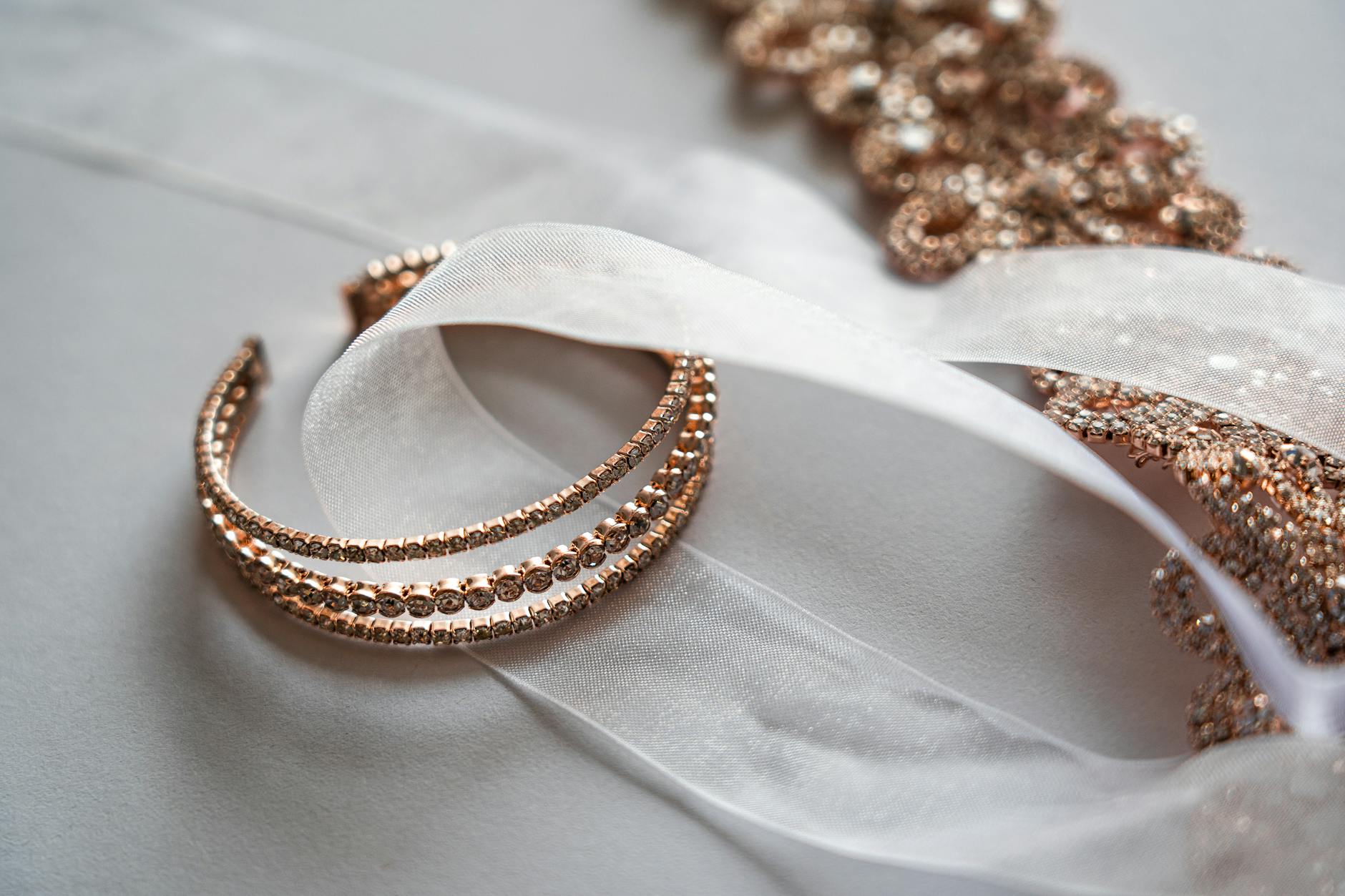
Several jewelers have recognized the overlap between their clientele and the streetwear collecting community, leading to crossover pieces that sit at the intersection of both worlds. Ben Baller, the celebrity jeweler, has created custom diamond-encrusted Bape pendants that have themselves become collectibles, with secondary market values exceeding the combined cost of the raw materials and original commission.
Bape’s own jewelry collaborations, including sterling silver Ape Head pendants and gold-plated chain accessories, have brought the brand directly into the precious metals adjacent space. These pieces represent an interesting convergence for collectors who already think in terms of material value and brand premium. A Bape x Ambush silver necklace carries both the intrinsic value of the metal and the brand premium of two collaborating names, creating a valuation dynamic that is genuinely novel in the collectibles space.
Where Bape Goes from Here
The brand’s trajectory over the next two to three years will likely be determined by how well it manages the tension between accessibility and exclusivity. Bape has historically erred on the side of overproduction during its weaker periods, flooding the market with mainline goods that diluted the brand’s cachet. The current strategy of tighter drops and more selective collaborations mirrors what has worked for luxury houses like Hermès and Patek Philippe, but sustaining that discipline requires resisting the short-term revenue that broader distribution offers.
For collectors and alternative asset enthusiasts, the window of opportunity may be narrowing on certain archive pieces. As authentication infrastructure matures and more institutional collectors enter the space, pricing on verified vintage Bape is likely to stratify further, with the best pieces pulling away from the rest in value. The parallel to the rare coin market in the late 1990s is instructive: once grading standards were formalized and a critical mass of serious collectors arrived, top-tier pieces appreciated dramatically while common examples stagnated. Bape may be approaching that same inflection point.
Conclusion
Bape’s current moment is more than a fashion cycle repeating itself. It reflects a broader realignment in how collectors and investors think about tangible, scarce, culturally significant objects. The same principles that make a limited-edition gold coin valuable, including verifiable scarcity, historical significance, condition sensitivity, and authentication infrastructure, now apply to select streetwear pieces in ways that would have seemed absurd a decade ago.
Bape sits at the center of this shift because it has the archive depth, the cultural pedigree, and the renewed creative direction to sustain collector interest beyond a single season. For those who already understand the dynamics of precious metals and luxury collectibles, Bape offers a case study in how brand equity, scarcity management, and cultural relevance combine to create durable value in physical goods. The key is approaching it with the same rigor you would bring to any alternative asset: authenticate everything, understand the liquidity constraints, and recognize that not every piece is an investment-grade acquisition. The ones that are, however, may prove to be among the more interesting tangible assets of this decade.
Frequently Asked Questions
Are Bape pieces a good investment compared to precious metals?
They can appreciate significantly, but they lack the liquidity, universal pricing transparency, and centuries-long track record of gold or silver. Treat them as a speculative alternative asset within a diversified collection, not as a substitute for traditional stores of value.
Which Bape items hold their value best?
Collaboration pieces with recognized luxury or cultural partners consistently outperform mainline releases. Shark hoodies, Bape Sta sneakers from limited runs, and any NIGO-era archive pieces in deadstock condition tend to command the highest premiums.
How do I verify that a Bape piece is authentic?
Use third-party authentication services such as Entrupy, CheckCheck, or LegitCheck. Platform-integrated verification on StockX and Grailed adds another layer of protection. Never rely solely on visual inspection, especially for pieces priced above five hundred dollars.
Is vintage Bape more valuable than current releases?
Generally yes, particularly for pieces from the 2002 to 2008 era when NIGO was directly overseeing production. However, select current collaborations can appreciate rapidly if the production run is genuinely limited and the collaboration partner carries cultural weight.
How should I store Bape pieces to preserve their value?
Keep them in a cool, dry environment away from direct sunlight, ideally in acid-free garment bags. Retain all original packaging, tags, and receipts. Humidity is the primary enemy, as it can cause discoloration and fabric degradation on cotton and fleece pieces.