

The most overrated streetwear trends share a common thread: they prioritize conspicuous branding and fleeting hype over genuine craftsmanship and lasting value. Logo-heavy pieces from mass-market collaborations, fast-fashion interpretations of luxury aesthetics, and trend-driven items that flood resale markets only to crash in value within months””these represent the hollow core of what much of streetwear has become. When a graphic hoodie costs four hundred dollars primarily because of a brand name printed across the chest, rather than exceptional materials or construction, the discerning buyer should question whether that purchase represents style or simply expensive conformity. Consider the trajectory of certain high-profile brand collaborations that generated enormous buzz at launch, commanded significant resale premiums, and then became nearly unsellable within two years.
This pattern repeats across the streetwear landscape with predictable regularity. The most overrated trends tend to be those that offer neither the enduring quality of traditional luxury goods nor the genuine creative expression that defined streetwear’s origins. This article examines which specific trends deserve skepticism, how to distinguish authentic value from manufactured hype, and why those seeking to build a wardrobe with lasting worth might consider alternatives that hold their value””including the often-overlooked intersection of streetwear and fine jewelry. Beyond identifying which trends are overrated, we will explore the economic forces that inflate streetwear pricing, the distinction between genuine cultural movements and marketing fabrications, and practical guidance for those who appreciate street-influenced aesthetics but want their purchases to retain meaning and value over time.
Table of Contents
- What Makes Certain Streetwear Trends More Overrated Than Others?
- The Hypebeast Economy: Why Hype-Driven Purchases Rarely Hold Value
- Logo Fatigue: When Brand Worship Becomes a Liability
- Designer Collaborations: Separating Legitimate Innovation from Cash Grabs
- Quality Versus Quantity: Why Most Streetwear Fails the Longevity Test
- The Resale Reality Check: What Actually Holds Value
- Building an Enduring Aesthetic Beyond Trend Cycles
- Conclusion
What Makes Certain Streetwear Trends More Overrated Than Others?
The hallmark of an overrated streetwear trend is a dramatic disconnect between price and intrinsic value. When examining what constitutes genuine worth in clothing, the factors are relatively straightforward: material quality, construction technique, design innovation, and functional utility. Overrated trends typically score poorly across most or all of these metrics while commanding premium prices based on perceived exclusivity or social signaling power. The logo becomes the product, rather than an indicator of quality craftsmanship. Limited-edition drops exemplify this phenomenon. The artificial scarcity model, where brands produce deliberately small quantities to create frenzied demand, has trained consumers to conflate difficulty of acquisition with inherent value.
A t-shirt that sold out in seconds is not necessarily better than one readily available””it may simply have been produced in smaller quantities as a marketing strategy. The historical evidence suggests that many items purchased under these conditions depreciate significantly once the initial excitement fades and the next drop captures collective attention. However, this critique requires nuance. Some limited releases genuinely feature superior materials, innovative manufacturing techniques, or collaborations with artists whose work carries independent cultural significance. The overrated designation applies specifically to items where scarcity serves as the primary value proposition rather than a byproduct of genuinely exceptional creation. Distinguishing between these categories requires examining what you are actually receiving beyond the brand name.

The Hypebeast Economy: Why Hype-Driven Purchases Rarely Hold Value
The resale market provides instructive data about which trends are genuinely valued versus merely hyped. Platforms that track streetwear resale prices have documented dramatic boom-and-bust cycles for items that initially commanded significant premiums. A sneaker collaboration might trade at three times retail for several months before settling well below original purchase price as attention shifts elsewhere. This pattern suggests that initial pricing reflects speculation and social momentum rather than stable demand based on quality. The economic structure of hype-driven streetwear resembles speculative markets more than traditional luxury goods.
Buyers frequently purchase not to wear but to resell, creating artificial demand that collapses once the speculation subsides. Traditional luxury items””particularly those crafted from precious materials with established secondary markets””tend to follow different trajectories. A well-crafted gold chain or quality timepiece may fluctuate in value, but the underlying material worth provides a floor that branded cotton cannot match. This comparison illuminates why many streetwear trends are fundamentally overrated from an investment perspective. The premium paid for branded apparel evaporates entirely if fashion sentiment shifts, leaving owners with items that cost hundreds of dollars but have negligible resale value. Precious metals, by contrast, retain intrinsic worth regardless of whether a particular design falls out of favor.
Logo Fatigue: When Brand Worship Becomes a Liability
The proliferation of logo-centric streetwear has created a paradox where the ubiquity of visible branding undermines the exclusivity that branding was meant to convey. When everyone from teenagers to middle-aged professionals wears the same prominently branded items, the distinction-signaling function collapses. This phenomenon, sometimes called logo fatigue, has already begun reshaping how fashion-conscious consumers approach their purchases. Certain major streetwear brands have experienced notable shifts in perception as their logos became associated more with mainstream aspiration than with the subcultural credibility that originally drove their appeal.
Items that once signified insider knowledge of underground culture now appear in shopping malls worldwide, diluting their cultural capital. The overrated nature of these trends becomes apparent when the social benefits of wearing them diminish while prices remain elevated. A countertrend has emerged among those who once drove streetwear culture: a preference for understated quality, logoless luxury, and items whose value is apparent only to those with developed taste. This shift suggests that the most overrated streetwear trends are precisely those that scream their brand affiliation loudest. For those navigating this landscape, the implication is that subtlety and genuine quality may prove more enduring than conspicuous labels.

Designer Collaborations: Separating Legitimate Innovation from Cash Grabs
Not all designer collaborations are created equal, and understanding this distinction helps identify which represent genuine creative achievements versus cynical attempts to extract premium pricing from brand combination alone. The most valuable collaborations historically have brought together complementary creative visions that produced something neither party could have achieved independently. These pieces sometimes do retain or increase in value because they represent specific moments of genuine innovation. The overrated collaborations””which constitute the majority””simply combine two recognizable names and apply dual branding to otherwise unremarkable products.
The formula is transparent: take a basic item, add logos from both a streetwear brand and a luxury house or celebrity, price it at a significant premium, and create artificial scarcity. The result benefits from momentary excitement but offers nothing that justifies the cost differential over purchasing quality basics. When evaluating collaborations, consider whether the piece would be desirable if both logos were removed. Would the materials and construction still justify the price? Does the design represent anything beyond the combination of two brand identities? If the honest answer is no, the collaboration likely falls into the overrated category regardless of how much buzz it generates at launch.
Quality Versus Quantity: Why Most Streetwear Fails the Longevity Test
The durability question exposes perhaps the most significant way that streetwear trends are overrated: many highly-priced items are manufactured with the same methods and materials as fast fashion, simply adorned with valuable brand names. Screen-printed graphics on standard-weight cotton, basic construction techniques, and minimal attention to finishing details characterize products that command hundreds of dollars primarily because of the label sewn inside. Compare this to traditional craftsmanship standards in luxury goods. Fine jewelry, for instance, involves working with materials that have inherent value and employing techniques developed over centuries to maximize durability and beauty.
A well-made gold or platinum piece will remain structurally sound and aesthetically relevant for generations. A graphic hoodie from even the most prestigious streetwear brand will show wear, fading, and dating within years if not months. This durability gap should inform purchasing decisions for anyone building a collection meant to last. The most overrated streetwear trends are those positioned as luxury while delivering fast-fashion longevity. Consumers paying premium prices deserve premium construction, and the streetwear industry frequently fails to deliver on this implicit promise.
The Resale Reality Check: What Actually Holds Value
Tracking historical resale data reveals clear patterns about which categories maintain value over time. Certain sneaker silhouettes with strong cultural associations and limited production have appreciated, particularly rare colorways of models with genuine historical significance. Some vintage pieces from streetwear’s earlier decades command high prices from collectors.
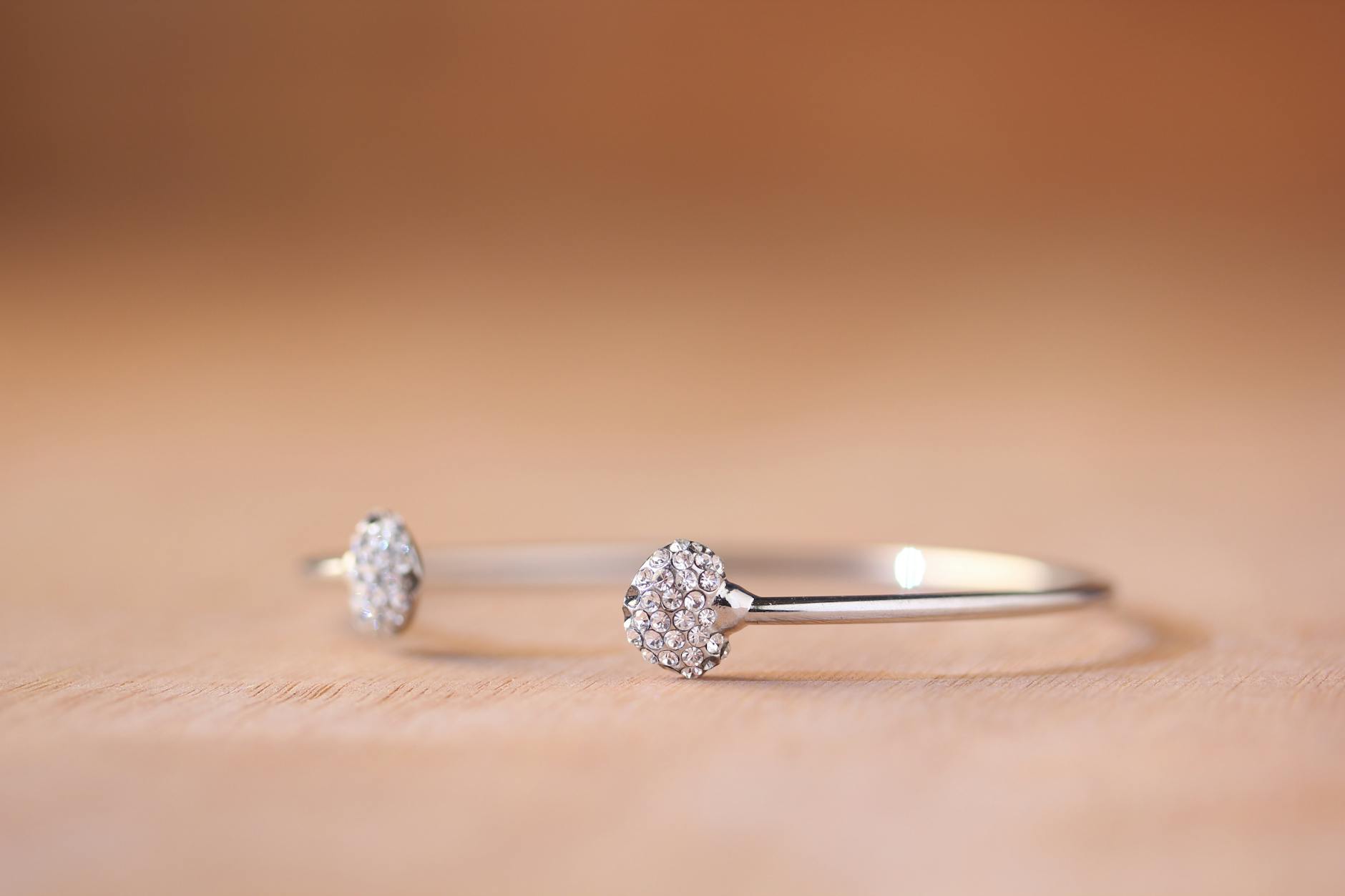
But these represent exceptions within a market where most items depreciate dramatically. The categories that most reliably hold or increase in value share characteristics that most overrated trends lack: genuine scarcity rather than manufactured hype, historical or cultural significance beyond marketing narratives, and quality materials with inherent worth. This explains why fine jewelry and precious metal pieces often prove better stores of value than branded apparel””the materials themselves provide baseline worth that fabric and printing cannot.
Building an Enduring Aesthetic Beyond Trend Cycles
For those who appreciate streetwear aesthetics but recognize the limitations of trend-chasing, a hybrid approach offers the best of both worlds. This involves identifying the core elements of street-influenced style that resonate personally and investing in quality versions of those essentials while avoiding the constant churn of seasonal releases and hype-driven purchases. Precious metal jewelry aligns particularly well with this philosophy.
Chains, rings, and bracelets in gold or platinum complement streetwear styling while offering durability and lasting value that branded apparel cannot match. A substantial gold chain will remain relevant and valuable regardless of which brands dominate the next season’s conversation. This represents a more considered approach to personal style””one that builds lasting value rather than cycling through disposable trends.
Conclusion
The most overrated streetwear trends are those that substitute hype for quality, brand recognition for craftsmanship, and artificial scarcity for genuine value. Logo-heavy pieces, manufactured collaborations, and items priced primarily for social signaling rather than material worth consistently disappoint buyers who expect their purchases to retain meaning and value over time.
Understanding these dynamics allows consumers to navigate the streetwear landscape more intelligently, appreciating genuine creative achievements while avoiding expensive purchases that will prove worthless within seasons. For those seeking to build a personal aesthetic that incorporates street-influenced elements without falling victim to overrated trends, the path forward involves prioritizing quality over quantity, choosing items that would be desirable even without their brand names, and considering categories””like fine jewelry and precious metals””that offer both stylistic impact and enduring value. The discerning approach to streetwear is not about rejecting the culture entirely but about developing the taste to distinguish substance from noise.