

Understanding luxury jewelry drops requires knowing how limited releases work in the precious metals market, what drives their value, and how to evaluate whether a piece is worth the often-premium price tag. An Essentials drop—whether from a established jewelry house or a contemporary metalsmith—typically involves a carefully curated release of items in finite quantities, designed to create both scarcity and immediate market attention. This article covers the mechanics of how these drops function, what makes them valuable, common pitfalls collectors encounter, and strategies for finding and acquiring pieces that hold both aesthetic and investment merit.
Table of Contents
- What Are Luxury Jewelry Drops and Why Do Collectors Care?
- The Role of Materials and Metalsmithing in Drop Collections
- Limited Releases and Secondary Market Dynamics
- How to Evaluate a Drop Before Purchasing
- Authentication and Verification Risks
- Storage, Insurance, and Maintenance Considerations
- The Future of Designer Drops in the Precious Metals Market
- Conclusion
- Frequently Asked Questions
What Are Luxury Jewelry Drops and Why Do Collectors Care?
drops in the precious metals and luxury jewelry space differ from the mass-market approach of traditional retailers. Instead of maintaining constant inventory, designers and jewelers release limited collections at specific intervals—sometimes announced months in advance, sometimes with minimal notice. These releases tap into collector psychology: the combination of scarcity, exclusivity, and the designer’s reputation creates demand that can exceed supply.
For precious metals specifically, drops offer a way for metalworkers and jewelry designers to experiment with new compositions, techniques, or aesthetic directions without committing to long-term production. The secondary market for limited jewelry drops can be significant. A platinum ring from a sold-out drop might trade hands at auction or specialty resellers, sometimes at multiples of the original retail price, though this isn’t guaranteed and depends heavily on the designer’s market position, the rarity of the piece, and the current precious metals pricing environment. However, drops also create risk: many limited releases don’t appreciate, and some become difficult to resell if the designer’s market interest wanes.

The Role of Materials and Metalsmithing in Drop Collections
When a jewelry house announces an essentials drop centered on precious metals, the material composition becomes a critical factor separate from the design premium. A drop might feature 18-karat gold with specific alloy ratios, platinum of particular purity, or experimental metal combinations. Understanding the metal specifications—weight, purity, and composition—is essential because these affect both intrinsic value and long-term durability. A piece marketed as luxury jewelry but using lower-karat gold or plating over base metal is fundamentally different from solid precious metal work, even if the design is identical.
However, if you‘re purchasing drops primarily for the design or brand prestige rather than as bullion or investment material, you should accept that you’re not buying precious metals as a commodity. The metalworking technique—hand-finishing, stone setting, detail work—may justify pricing that exceeds the raw material value. The limitation here is that if precious metals prices drop significantly, the designer-driven premium may not hold, and resale could return less than you paid. Conversely, sharp increases in gold or platinum prices can actually hurt resale appeal if collectors view the piece as overpriced relative to its material value plus a reasonable labor component.
Limited Releases and Secondary Market Dynamics
The secondary market for jewelry drops operates differently than for other collectibles. An Essentials drop of 200 pieces in a specific configuration creates scarcity, but jewelry is functional and personal—buyers often prefer new condition, full provenance, and original documentation. A pre-owned drop piece may resell at discount even if it’s unworn, simply because the buyer could purchase a current or upcoming drop instead.
Established luxury jewelry houses (think Cartier, Bulgari, or independent master jewelers with strong track records) see more stable secondary markets than emerging designers, because the brand itself holds collector value. For example, a limited platinum drop from an established house might retain 60-80% of retail value on resale within five years, while the same scenario with an emerging designer might only hold 30-50%. The rarity of the piece plays a role, but so does the probability that future drops will feel “better” or “more desirable” to collectors, which can depress older inventory. Always research the resale history of a designer’s previous drops before committing, and understand that you’re not buying an asset guaranteed to appreciate.

How to Evaluate a Drop Before Purchasing
Before committing to a limited-release jewelry purchase, verify several key details: Is the designer established with a verifiable track record, or are they new to the market? What’s the material specification—exact karat, purity, weight, and composition? Are you purchasing directly from the designer or through an authorized reseller, and does that affect warranty and authentication? Can you inspect high-resolution images or the piece in person, or are you buying blind based on marketing materials alone? The trade-off here is between acting quickly to secure a coveted piece versus taking time to verify authenticity and quality. Drop releases often create artificial urgency, with limited quantities and short ordering windows. This pressure can lead to poor decisions.
Established designers handle this better—Hermès, for instance, doesn’t use hard deadlines for most releases, allowing deliberate purchase decisions. Lesser-known designers may use time pressure as a sales tactic. Compare the designer’s reputation, the specificity of material documentation, and your own need for the piece before deciding whether the urgency is justified or manufactured.
Authentication and Verification Risks
The luxury jewelry market, particularly for limited drops, is vulnerable to counterfeiting and misrepresentation. A designer might release an Essentials drop of 14-karat gold rings, but secondary market copies—sometimes high-quality reproductions—can circulate without the buyer’s knowledge. Purchasing directly from the designer’s official channels minimizes this risk, but secondary market buys require careful verification.
Always request documentation: hallmarks (on the metal itself), weight, material certificate if applicable, and proof of purchase from an authorized source. For precious metals, you can have pieces assayed independently, though this costs $50-300+ depending on material and complexity. Be wary of price points that seem too good to be true for designer precious metals jewelry—this often indicates either reproduction pieces or legitimate stock clearance, which should be clearly labeled. The limitation here is that authentication adds time and cost, but skipping it on higher-value purchases is risky and potentially irreversible.
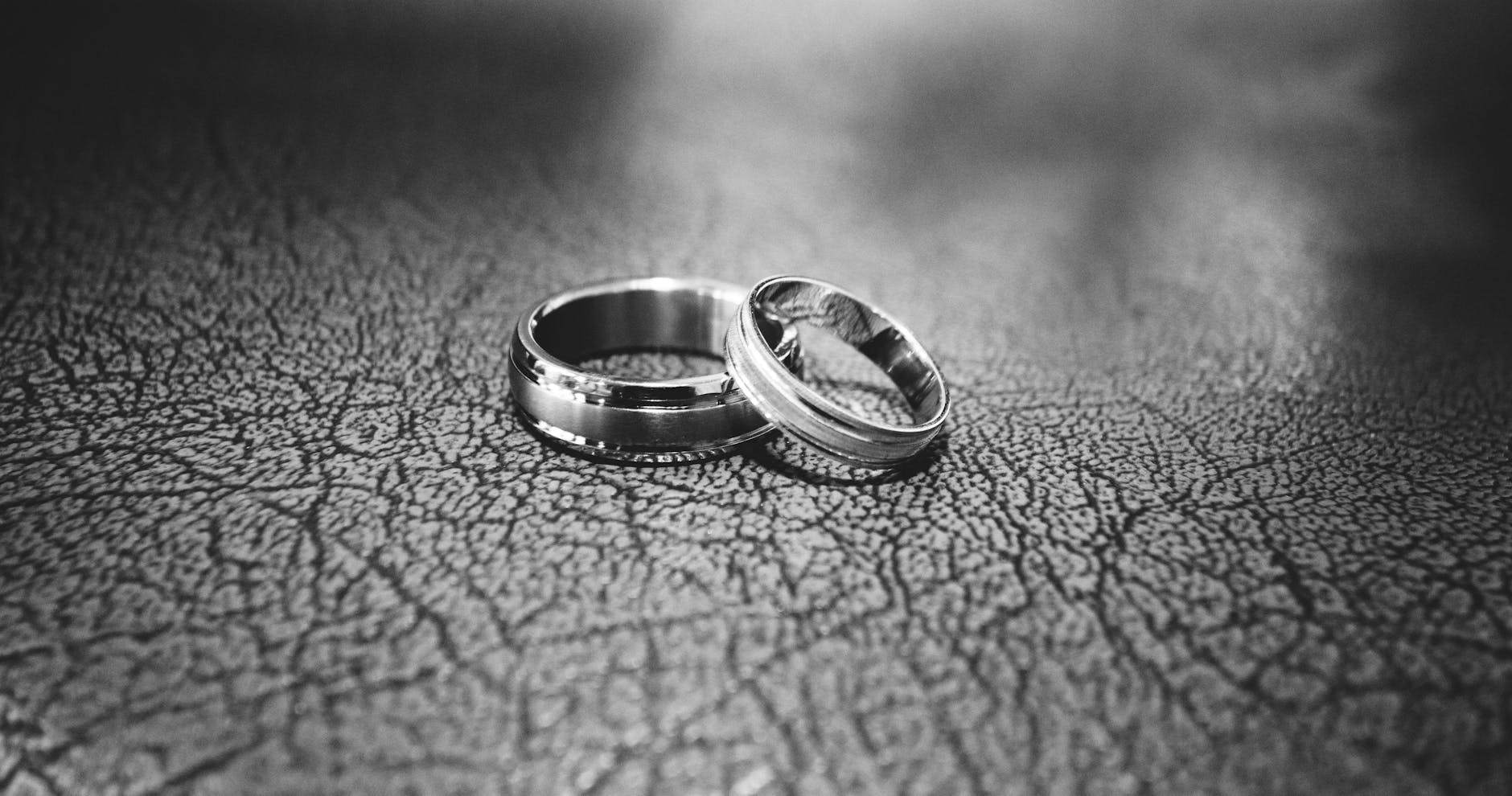
Storage, Insurance, and Maintenance Considerations
Once you’ve acquired a piece from a limited drop, proper care affects both its condition and resale value. Precious metals jewelry should be stored in individual pouches or boxes, kept away from direct sunlight, humidity, and temperature extremes. Insurance is essential for valuable pieces—standard homeowner’s policies often have low caps for jewelry.
A dedicated jewelry insurance rider typically costs 1-2% of appraised value annually and covers theft, loss, and damage. For example, a platinum drop ring valued at $5,000 might cost $50-100 per year to insure, but it ensures that accidental damage or theft doesn’t represent a total loss. Maintenance depends on the design—simple bands require occasional professional polishing, while pieces with stones or intricate settings may need periodic inspection to ensure stone security. These ongoing costs should factor into your decision to purchase, particularly if you view the piece as an investment rather than purely personal jewelry.
The Future of Designer Drops in the Precious Metals Market
The market for limited jewelry releases continues to evolve. As younger collectors become more familiar with drop culture (traditionally from sneakers and fashion), jewelry designers are adopting similar scarcity-driven models.
The precious metals market itself adds a layer of complexity—unlike fixed-supply products, the intrinsic value of gold and platinum fluctuates, which can paradoxically make limited releases less appealing during metals bull markets (when collectors buy for bullion value) and more appealing during stable or declining metals prices (when design and rarity drive value). Looking forward, expect to see more transparency around materials and limited-release quantities, partly driven by collector demand for verification and partly by regulatory pressure around conflict minerals and ethical sourcing. Designers who document their supply chains and material sources clearly may command higher prices in drops, particularly among collectors who weight ethical considerations alongside aesthetics and investment potential.
Conclusion
Essentials drops in the precious metals and luxury jewelry space offer access to curated, limited pieces from established and emerging designers, but they require informed evaluation. Before purchasing, verify the designer’s reputation, understand the exact material composition, research secondary market performance, and be honest about whether you’re buying for personal enjoyment, design appreciation, or investment.
Don’t let artificial urgency override careful decision-making, and factor in insurance, maintenance, and realistic resale expectations. The strongest drops are those from designers with clear artistic vision, transparent material practices, and a proven collector base. If you approach drops with the same scrutiny you’d apply to significant financial decisions—rather than impulse purchases driven by scarcity—you’re more likely to acquire pieces that genuinely satisfy you, whether or not they appreciate over time.
Frequently Asked Questions
Are limited jewelry drops a good investment?
Not reliably. While some established designers’ drops appreciate modestly, many depreciate. If investment is your primary goal, consider precious metals bullion separately. Jewelry drops should appeal to you as objects first; any appreciation is a bonus, not the premise.
How do I verify authenticity of a secondary market drop piece?
Request documentation, weight records, and material certificates. Have valuable pieces independently assayed if you’re uncertain. Buy only from reputable resellers with clear return policies and authentication guarantees.
What’s the difference between a “drop” and regular limited-edition jewelry?
Drops emphasize marketing and scarcity-driven demand, often with short purchase windows and advance hype. Traditional limited-edition jewelry simply restricts production without creating artificial urgency. Drops appeal more to collector psychology; limited editions appeal more to traditional jewelry buyers.
Should I buy precious metals drops as a hedge against inflation?
Not directly. The material value of gold or platinum does hedge inflation, but the designer premium often doesn’t. If inflation protection is your goal, buy bullion or coins. If you want designer jewelry, accept that the premium may erode.
How much should I expect precious metals drops to appreciate?
Realistically, 0-5% annually if the designer remains relevant, and 0-20% over several years in strong market conditions. Many drop pieces never appreciate. Factor in insurance and storage costs, which can offset small appreciation.
Where should I buy precious metals drops to avoid counterfeits?
Directly from the designer’s official website or authorized retailers. Secondary buys carry counterfeit risk. Always request material documentation and proof of origin for pre-owned pieces.