

Nike is worth the price for certain products, but not universally across their entire lineup. The brand’s best value lies in their mid-range running shoes like the Pegasus 41 and select lifestyle sneakers like the Air Max 1, where build quality and durability justify the cost. However, at the premium end””where Nike now charges $230 for models like the Vomero Premium””the value proposition becomes questionable, particularly when competitors like On Running and Hoka offer comparable performance at around $148 per pair. The calculus changes depending on what you need.
A runner seeking a reliable daily trainer will find the $100-range Nike Winflo 11 competitive with other brands. Someone chasing special-release sneakers at $200 or more is paying primarily for brand cachet and perceived exclusivity rather than superior materials or construction. Nike’s median shoe price has historically sat around $80″”roughly $10 higher than their nearest competitor””and that premium only makes sense when the product delivers proportionally better performance or longevity. This article examines Nike’s current pricing structure, how their shoes compare to competitors, what independent testing reveals about quality, and whether the brand’s recent struggles affect the consumer value equation. We’ll also address when Nike represents poor value and which alternatives might serve you better.
Table of Contents
- Does Nike Pricing Reflect Actual Quality?
- How Nike Prices Compare to Competing Brands
- What Nike’s Financial Troubles Mean for Buyers
- When Nike Offers Genuine Value
- Where Nike Falls Short on Value
- The Investment Angle on Nike Products
- What to Expect from Nike Going Forward
- Conclusion
Does Nike Pricing Reflect Actual Quality?
nike products are technically manufactured to high standards comparable to Adidas, according to industry assessments. The company maintains rigorous quality control processes and invests heavily in footwear technology. The Pegasus 41 has been praised as “the best version in several years,” and the Vomero Plus has been called “perhaps the best cushioned running shoe available from any brand” by running equipment testers. However, consumer reviews tell a more complicated story.
Long-time Nike customers frequently report that durability has decreased over the years, with shoes wearing out faster than previous generations. Customer service receives consistent criticism, and fit issues persist””Nike shoes tend to run narrow and small, which creates problems for buyers who can’t try before purchasing online. The disconnect between professional testing and consumer experience suggests that Nike’s quality remains high at the engineering level but may have slipped in manufacturing consistency. When you pay $180 for the Vomero Plus, you’re getting genuinely advanced cushioning technology. Whether your particular pair will last as long as a comparable Hoka or New Balance depends partly on luck.

How Nike Prices Compare to Competing Brands
Nike’s pricing sits at the premium end of the athletic footwear spectrum. Basic Nike running shoes start around $50, but quality options begin just over $100. The Air Jordan line retails at $190, while premium models like the Vomero reach $230. Compare this to Vans and Converse at approximately $40 median price, or New Balance and Under Armour ranging from $50 to $150. On Running and Hoka””the brands most directly challenging Nike in the performance running category””average around $148 per pair at major retailers.
This positions them below Nike’s premium offerings but above entry-level Nike products. A 2017 study found Nike had the highest median price among major sneaker brands at $80, a full $10 above the next closest competitor. The pricing gap matters more in some categories than others. For fashion sneakers where the swoosh itself carries value, Nike’s premium makes market sense. For pure running performance, where On Running and Hoka have built strong reputations among serious runners, paying extra for Nike becomes harder to justify unless you specifically prefer Nike’s fit and feel.
What Nike’s Financial Troubles Mean for Buyers
Nike’s stock has lost value for four consecutive years, dropping 57% from its peak and declining 9.35% over the past twelve months alone. Q2 fiscal 2026 showed revenue increasing just 1% year-over-year while net income fell by more than 30%. Greater China revenue dropped 13% for the six months ending November 30, 2025, with operating income plunging 35% in that market. For consumers, financial pressure on a brand can cut both ways. Nike may discount more aggressively to move inventory””good for bargain hunters.
But cost-cutting during a downturn sometimes affects product quality, customer service investments, or innovation budgets. The company’s $93.39 billion market cap and $33 billion brand value provide substantial buffer, but a turnaround is not guaranteed. If you’re considering Nike as a long-term footwear brand rather than a one-time purchase, these financial headwinds warrant attention. A company struggling to maintain profitability may make decisions that prioritize short-term margins over product durability or customer satisfaction. The warning signs in consumer reviews about declining quality could reflect early consequences of this pressure.

When Nike Offers Genuine Value
The sweet spot for Nike value sits in the mid-range daily trainer category. The Pegasus 41 delivers durability and comfort at competitive pricing for its segment. The Air Max 1 stands out as a rare fashion sneaker that prioritizes both comfort and durability””not merely aesthetics””making it a reasonable purchase for someone wanting lifestyle shoes that actually function well. Entry-level quality running shoes like the Winflo 11 at just over $100 represent fair value when compared to similar offerings from other brands.
At this price point, you’re getting legitimate Nike technology and build quality without paying primarily for the brand name. Runners who prefer Nike’s fit profile and have tested multiple brands will find these models sensible investments. The value calculation weakens significantly at the premium tier. A $230 Vomero Premium competes against the full Hoka and On Running catalogs, where $148 average pricing buys top-tier cushioning technology. Unless you specifically require something unique to Nike’s premium offerings, alternatives deliver comparable performance for substantially less.
Where Nike Falls Short on Value
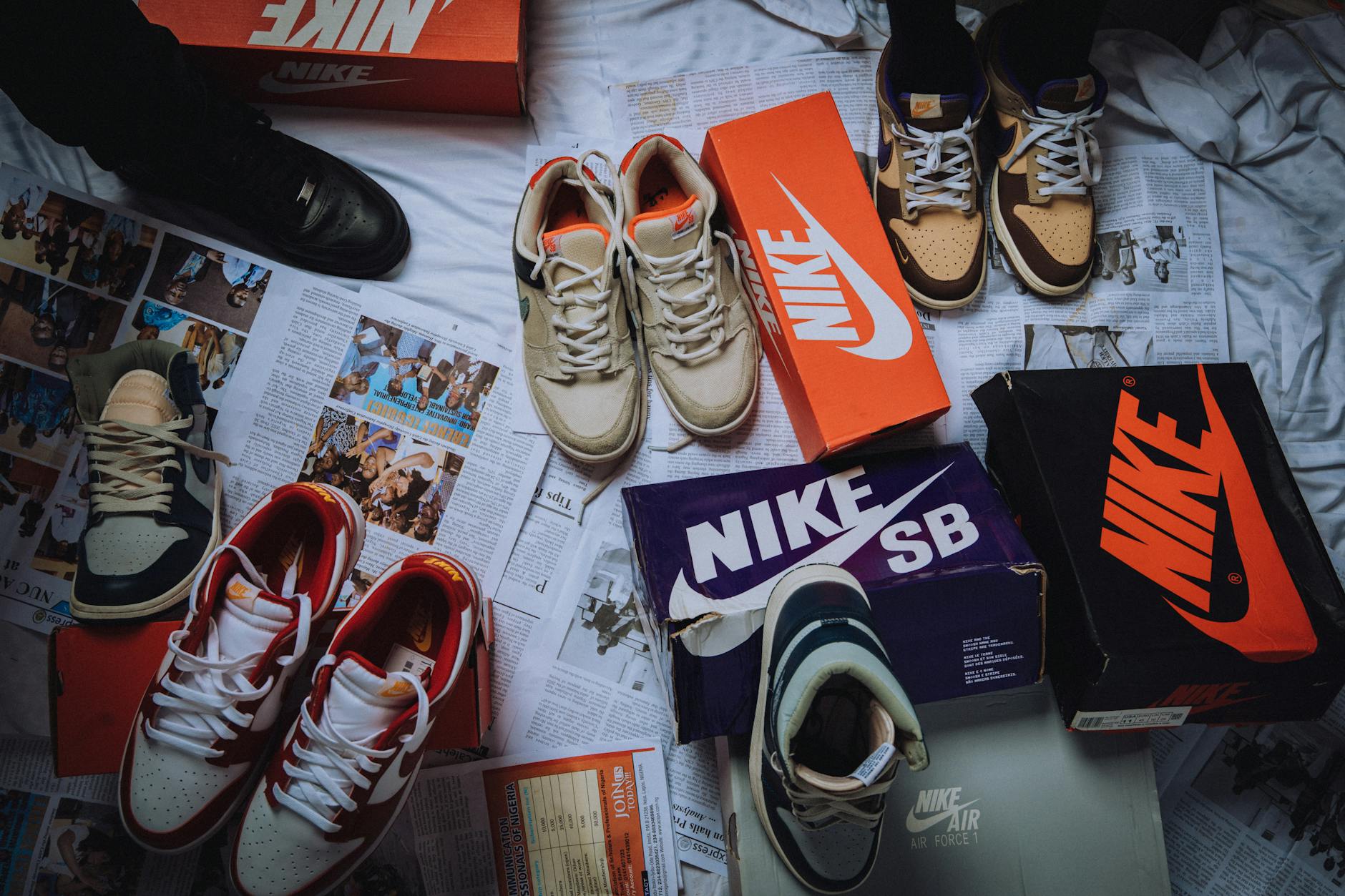
Special-release sneakers at $200 and above rarely justify their prices from a functional standpoint. You’re purchasing scarcity, brand prestige, and collector appeal””legitimate reasons to buy, but unrelated to footwear quality. If your goal is a well-made shoe rather than a status symbol, this category represents poor value almost by definition. Nike’s narrow, small-running fit creates hidden costs. Buyers who order online frequently receive shoes that don’t fit, leading to return hassles or settling for uncomfortable footwear.
Competitors like New Balance offer wider size ranges and more accommodating fits for the same or lower prices. If you have wider feet or fall between standard sizes, factor potential fit failures into Nike’s effective cost. Customer service complaints in consumer reviews suggest that resolving problems with Nike purchases requires more effort than with some competitors. Time spent navigating support channels has real value, particularly for expensive purchases. A $180 shoe that takes three exchanges to fit correctly costs more than its sticker price indicates.
The Investment Angle on Nike Products
Nike’s forward price-to-earnings ratio of 38 significantly exceeds the S&P 500 average of 22, suggesting the market still prices in brand strength despite recent performance. Bullish investors see a deep-value opportunity with dividends approaching high-yield territory. Bears argue the turnaround looks unlikely given ongoing China struggles and increased competition.
For consumers, this investor uncertainty translates to unpredictable brand trajectory. Nike could emerge stronger from its current challenges with renewed focus on product quality and customer experience. Alternatively, continued struggles could lead to further cost-cutting that affects what you receive for your money. Neither outcome is certain.
What to Expect from Nike Going Forward
Nike maintains approximately 27% of the global sportswear market, ensuring the brand will remain a major force regardless of current difficulties. Their technology investment continues, and breakthrough products could shift the value equation significantly.
The brand’s $33 billion valuation reflects enduring consumer loyalty that won’t disappear quickly. Expect pricing to remain at the premium end of the market, as Nike’s strategy depends on maintaining price points that support their brand positioning. Discounting may increase at retail partners to move inventory, creating opportunities for patient buyers willing to wait for sales rather than paying full price at launch.
Conclusion
Nike delivers genuine value in their mid-range running shoes and select lifestyle models where engineering quality matches the price point. The Pegasus 41, Winflo 11, and Air Max 1 represent reasonable purchases for buyers who prefer Nike’s fit and technology. Premium models above $180 and special-release sneakers require you to value brand prestige alongside””or instead of””pure footwear quality.
Before purchasing, compare prices directly with On Running, Hoka, and New Balance alternatives at the $100-$150 range. Try shoes in person if possible given Nike’s narrow fit tendencies. Consider waiting for sales if buying premium models, as Nike’s current financial pressures may increase discounting opportunities. The swoosh still means something, but what it means to your specific needs determines whether the premium is worthwhile.