

Yes, hype culture is fundamentally altering streetwear in ways that threaten its original identity”but “ruining” may be too absolute a verdict. What began as an underground movement rooted in skateboarding, hip-hop, and DIY creativity has transformed into a speculative market where resale value often matters more than design innovation or cultural authenticity. The Supreme brick”a literal clay brick stamped with a logo that retailed for $30 and resold for $150″stands as perhaps the most absurd proof that hype has eclipsed substance in certain corners of streetwear. However, declaring streetwear dead overlooks the nuance.
While mainstream hype culture has commodified the movement, it has also created unprecedented opportunities for independent designers and has forced legacy brands to take street fashion seriously. The problem isn’t hype itself but rather the unchecked speculation, artificial scarcity, and loss of community that accompanies it. This article examines how hype culture reshapes streetwear economics, what gets lost when exclusivity becomes the point, and how collectors and enthusiasts can navigate this landscape without abandoning the values that made streetwear compelling in the first place. The intersection of streetwear and precious materials”from gold-plated accessories to diamond-encrusted collaborations”offers a useful lens for understanding where authentic craftsmanship diverges from manufactured demand. As streetwear increasingly overlaps with luxury markets, the question isn’t simply whether hype is ruining the culture, but whether anything meaningful survives once hype becomes the primary product.
Table of Contents
- What Exactly Is Hype Culture and How Did It Infiltrate Streetwear?
- The Economics of Artificial Scarcity in Modern Streetwear
- How Streetwear’s Relationship with Luxury Materials Has Changed
- Separating Authentic Streetwear Pieces from Hype-Driven Purchases
- The Community Cost of Hype-Driven Streetwear Culture
- What the Precious Metals Market Teaches About Value and Hype
- The Future of Streetwear Beyond the Hype Cycle
- Conclusion
What Exactly Is Hype Culture and How Did It Infiltrate Streetwear?
Hype culture refers to the manufactured excitement and artificial demand surrounding products, driven more by scarcity and social status than inherent quality or innovation. In streetwear, this manifests through limited drops, celebrity endorsements, and resale markets where items sell for multiples of their retail price within hours of release. The phenomenon isn’t new”sneaker collecting has roots stretching back decades”but the scale and speed have accelerated dramatically since the mid-2010s. The infiltration happened gradually, then suddenly. Brands like Supreme built their mystique through genuine underground credibility in the 1990s and early 2000s, with limited production driven by actual resource constraints rather than marketing strategy.
The turning point came when luxury conglomerates recognized the profit potential. LVMH’s acquisition of Supreme in 2020 for approximately $2.1 billion signaled that streetwear had become too valuable to remain countercultural. Suddenly, the playbook of artificial scarcity that had developed organically became a deliberate corporate strategy deployed across the industry. The comparison to other collectible markets proves instructive. Just as the art world operates on manufactured scarcity and social proof, streetwear now functions similarly”except the “art” is often a hoodie with a box logo. This parallel explains why precious metals and jewelry brands have increasingly collaborated with streetwear labels: both industries understand that perceived exclusivity can inflate value far beyond material worth.

The Economics of Artificial Scarcity in Modern Streetwear
The business model underlying contemporary streetwear depends on selling less to earn more. A brand like Palace or Off-White could easily produce enough stock to meet demand, but doing so would destroy the resale premium that drives consumer frenzy. When a hoodie retails for $150 but resells for $600, the brand captures mindshare and cultural relevance that conventional marketing couldn’t buy. The resellers and their customers collectively advertise the brand’s desirability through every transaction. However, this model contains a fundamental limitation: it requires constantly escalating hype to maintain consumer interest. Each drop must feel more exclusive, each collaboration more unexpected, each queue more punishing than the last.
Brands caught in this cycle often sacrifice design innovation for gimmickry. When Louis Vuitton partnered with Supreme, the products themselves were relatively conventional”the excitement came entirely from the unprecedented nature of the collaboration. Compare this to earlier streetwear eras where brands like A Bathing Ape actually pioneered new aesthetics and production techniques. The resale market has professionalized to an almost absurd degree, with bots purchasing inventory milliseconds after drops and sophisticated operations treating sneakers like securities. StockX, the resale platform, processed over $1.8 billion in transactions in 2020 alone. For consumers genuinely interested in wearing the clothing, this creates a punishing environment where obtaining items at retail becomes nearly impossible. The irony is stark: a culture that emerged from accessible, anti-establishment roots now requires either substantial wealth or technological sophistication to participate in.
How Streetwear’s Relationship with Luxury Materials Has Changed
The integration of precious metals into streetwear represents both the movement’s maturation and its potential corruption. Early streetwear jewelry”thick Cuban links, nameplate necklaces, oversized pendants”drew from hip-hop culture and served as genuine expressions of success and identity. The materials mattered because they represented real value and craftsmanship, not because they carried a particular logo. Today’s landscape looks markedly different. Collaborations between streetwear brands and luxury jewelers often prioritize brand recognition over material quality. A $500 gold-plated chain bearing a hyped logo may contain a fraction of the precious metal found in a similarly priced piece from a traditional jeweler.
Consumers pay for the name, the drop mechanics, and the social media content potential rather than the intrinsic worth of what they’re wearing. This represents a significant shift from jewelry’s historical function as a store of value and a display of genuine craftsmanship. There are exceptions worth noting. Brands like Ben Baller’s NIGO collaborations or Jacob & Co.’s work with hip-hop artists demonstrate that streetwear-adjacent jewelry can maintain genuine material standards. These pieces command premium prices, but they’re backed by actual precious metal content and demonstrable craftsmanship. The distinction matters particularly during economic uncertainty: a solid gold piece retains intrinsic value regardless of fashion trends, while a hyped collaboration built on plating and branding may become worthless once the cultural moment passes.

Separating Authentic Streetwear Pieces from Hype-Driven Purchases
Developing discernment as a collector requires ignoring the noise surrounding drops and focusing on tangible criteria. Construction quality offers the most reliable indicator: examine stitching consistency, fabric weight, hardware durability, and finishing details. A genuinely well-made garment justifies its price through longevity and craftsmanship, not scarcity. Many hyped pieces fail basic quality tests”thin fabrics, inconsistent sizing, and poor construction are common complaints about even premium-priced drops. The tradeoff between hype value and intrinsic value deserves careful consideration.
A $300 resale-priced tee shirt from a hyped brand offers no better materials or construction than a $40 tee from a quality-focused independent label. The additional $260 purchases only social signaling and potential future resale value”an increasingly risky bet as trends shift rapidly. Compare this to purchasing sterling silver or gold jewelry, where the material itself carries permanent value regardless of which brand stamped it. The calculus differs fundamentally. Practical questions help clarify purchasing decisions: Would you wear this if no one knew the brand? Does the construction justify the price independent of hype? Will this hold up after fifty washes? Could you wear it in five years without feeling dated? These criteria don’t preclude buying hyped items, but they prevent the accumulation of expensive pieces that become embarrassing or unwearable once the cultural moment passes.
The Community Cost of Hype-Driven Streetwear Culture
Beyond economics, hype culture has eroded something less quantifiable but equally important: the sense of community that originally defined streetwear. Early streetwear scenes were local, relationship-driven, and based on shared aesthetics and values. You earned knowledge and access through participation, not purchasing power. Store owners knew regular customers by name, and wearing certain brands signaled membership in specific subcultures with their own codes and histories. Contemporary hype culture flattens these distinctions. When everyone with sufficient funds or bot access can purchase the same items, clothing loses its function as cultural signifier.
The kid camping outside Supreme in 2005 shared something with others in that line”a willingness to sacrifice comfort for passion, knowledge of the brand’s history, connection to skate culture. Today’s online queue is atomized and transactional. The community has been replaced by a market, and markets are notoriously poor at fostering belonging. This erosion extends to the brands themselves. Legacy streetwear labels face pressure to maintain relevance through constant collaboration and escalating hype, often at the expense of the aesthetic consistency that built their reputation. Stüssy’s recent trajectory offers an instructive case: the brand has navigated the hype era relatively intact by resisting extreme scarcity tactics while maintaining design quality and reasonable pricing. Not coincidentally, it remains one of the few heritage streetwear brands still respected by both original heads and newcomers.
What the Precious Metals Market Teaches About Value and Hype
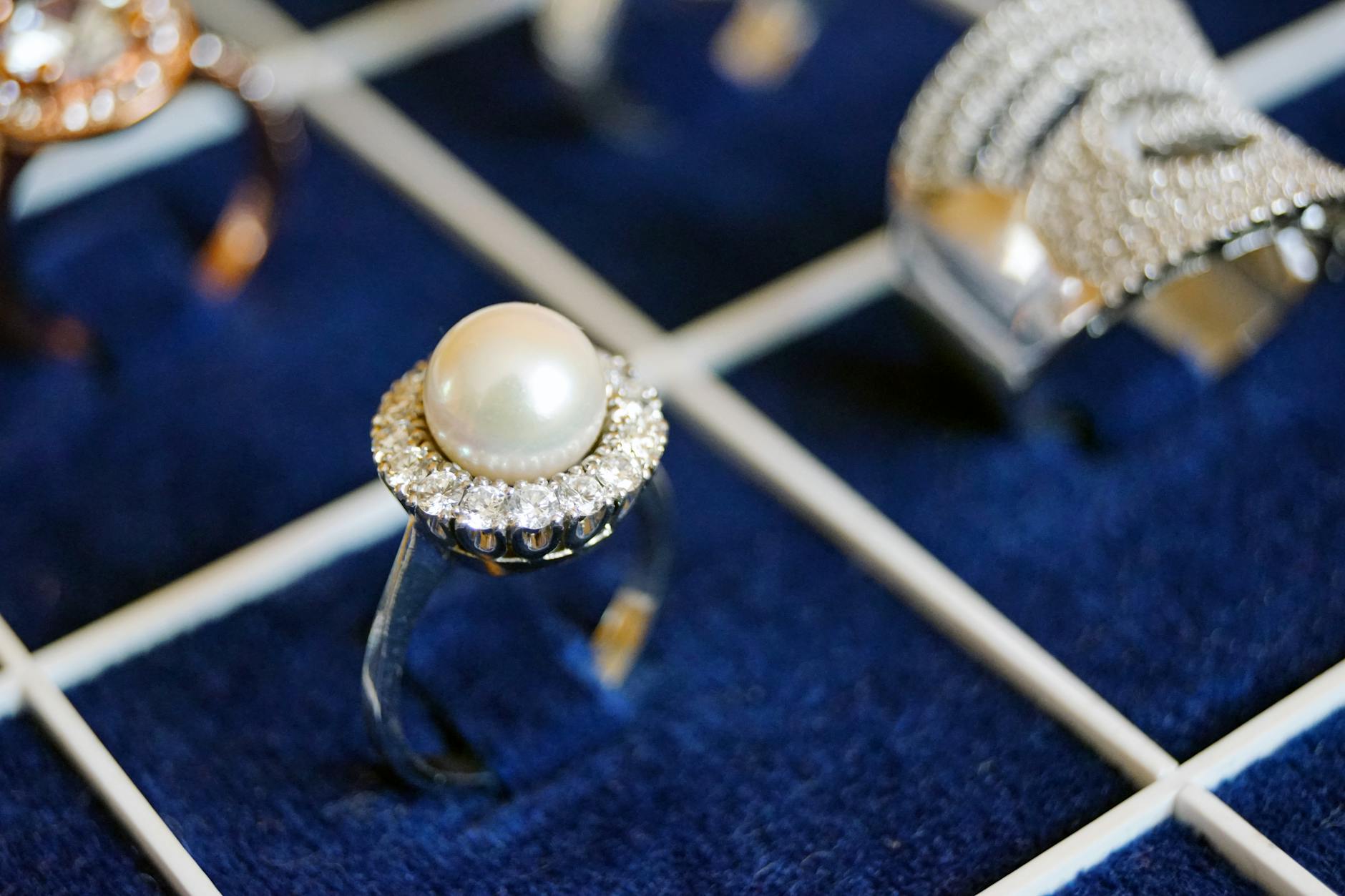
The precious metals industry has weathered hype cycles for centuries, offering lessons applicable to streetwear’s current predicament. Gold’s value persists not because of manufactured scarcity but because of genuine rarity, utility, and thousands of years of human consensus about its worth. Jewelry brands that emphasize craftsmanship over trendiness”pieces constructed with traditional techniques, substantial precious metal content, and timeless design”tend to maintain value across generations.
Streetwear could learn from this model. A sterling silver ring from a skilled artisan costs what it costs because of material inputs and labor, not because the brand limited production to create artificial demand. The price represents something real. When streetwear brands adopt similar transparency”explaining why a Japanese-woven denim jacket costs more, or why limited production reflects actual manufacturing constraints”consumers can make informed decisions about value.
The Future of Streetwear Beyond the Hype Cycle
Signs suggest the hype era may be exhausting itself. Resale premiums have declined significantly since their 2020-2021 peaks, with many previously coveted items now selling below retail on secondary markets. Consumer fatigue with drops, queues, and the constant chase for the next collaboration appears to be setting in. Younger consumers increasingly express preference for sustainability and quality over logos and hype, potentially signaling a cultural shift.
What might replace hype culture remains uncertain, but certain trends appear promising. Independent brands emphasizing small-batch production, quality materials, and direct customer relationships have carved out sustainable niches. The “quiet luxury” movement in broader fashion suggests appetite for understated quality over ostentatious branding. And the growing market for vintage streetwear”particularly pieces from the pre-hype era”indicates that authenticity retains commercial appeal even in saturated markets. Whether mainstream streetwear can reclaim its roots or whether the term itself has been irreparably associated with hypebeast culture will depend largely on which brands and consumers shape the next chapter.
Conclusion
Hype culture hasn’t ruined streetwear so much as revealed the tensions inherent in any countercultural movement that achieves mainstream success. The original values”creativity, community, self-expression, quality”still exist within streetwear, but they’ve been overshadowed by speculation, status-seeking, and corporate exploitation of artificial scarcity. For collectors and enthusiasts, the path forward requires conscious choices about which values to prioritize and which brands actually embody them. The parallels to precious metals and jewelry markets suggest that focusing on intrinsic value”material quality, craftsmanship, timeless design”offers more sustainable satisfaction than chasing hype.
Trends fade, resale values collapse, and yesterday’s must-have becomes tomorrow’s regret. But well-made pieces, whether garments or jewelry, retain their essential worth regardless of cultural currents. The question isn’t whether to engage with streetwear at all, but how to engage thoughtfully in an environment designed to exploit impulse and FOMO. The brands and pieces that emphasize substance over hype deserve attention; the rest are better left to the speculators.