

Human-made outfit ideas that actually work start with understanding one fundamental principle: every piece should serve a purpose and complement the others, rather than compete for attention. This is especially true when building ensembles around luxury jewelry, where a single statement piece can anchor an entire look. The key is working backward from your jewelry rather than treating it as an afterthought—selecting clothing that creates the right backdrop and proportional balance. For example, if you have a substantial gold statement bracelet with significant presence, pairing it with clean-lined basics and minimal additional jewelry allows it to become the focal point without creating visual clutter or overwhelming your frame.
The difference between outfit ideas that actually work and those that fall flat comes down to intentionality. Most people assemble clothes based on what’s available or what’s trending, but successful outfits require understanding your body proportions, the weight and scale of each piece, and how colors interact. When you add luxury jewelry into the equation, you’re introducing materials and finishes that need to harmonize with your fabrics and overall silhouette. A silk blouse behaves differently than a heavy knit, and that difference matters when you’re wearing a delicate diamond pendant versus a chunky stone ring.
Table of Contents
- How Do You Match Jewelry to Your Outfit Foundation?
- Understanding Scale and Proportion Matching
- Dressing for Different Occasions and Settings
- Building a Practical Jewelry-First Wardrobe
- Common Mistakes That Undermine Otherwise Good Outfits
- Advanced Styling With Unexpected Materials and Finishes
- The Future of Jewelry Styling and Personalization
- Conclusion
- Frequently Asked Questions
How Do You Match Jewelry to Your Outfit Foundation?
The foundation of any outfit is the silhouette and color story. Start by identifying one anchor piece—typically either a standout jewelry item or a bold clothing piece, but rarely both at the same intensity level. If you’re wearing a striking emerald bracelet with multiple small diamonds, your clothing should be relatively neutral: think black, cream, navy, or soft gray. The metals in your jewelry should also inform your choices; mixing gold with silver jewelry reads as intentional when done with purpose (like a delicate silver necklace layered under a gold pendant), but it requires restraint. If you’re new to building outfits around jewelry, stick with matching metal tones throughout—all warm gold pieces together, or all cool silver tones together.
The weight and visual presence of your jewelry affects what works around it. A lightweight, understated necklace can coexist with other jewelry more easily than a chunky statement necklace. Similarly, if you’re wearing stacked rings or multiple bracelets, keep your necklace minimal or eliminate it entirely. This is where many outfits fail—people add layers of jewelry the way they would layer clothing, without considering that jewelry doesn’t disappear into the background the way a neutral cardigan might. Real-world example: if you’re wearing a three-band gold ring set on your left hand and a watch on the same wrist, adding a bracelet on the same arm creates visual crowding. Moving the bracelet to your opposite wrist or simplifying the hand jewelry immediately improves the look.

Understanding Scale and Proportion Matching
Proportion matching means ensuring your jewelry scale makes sense with your clothing proportions and your body frame. A petite person wearing an oversized sweater can absolutely wear statement jewelry, but the jewelry needs to be scaled appropriately—a dainty bracelet would disappear, but a substantial cuff or chunky rings maintain balance. Conversely, someone with a larger frame wearing tailored, fitted clothing can wear more delicate jewelry without it seeming insignificant. This isn’t about being small or large; it’s about visual weight distribution. One critical limitation to understand: certain jewelry choices work better with certain necklines and sleeve lengths.
A statement necklace requires an open neckline—wearing it with a turtleneck defeats its purpose and creates awkward layering. Similarly, if you want to showcase rings or bracelets, sleeves matter tremendously. Three-quarter length sleeves can look unintentionally sloppy when paired with significant wrist jewelry, while shorter sleeves or sleeveless designs allow the jewelry to shine. Long sleeves covering most of your forearm make wrist jewelry nearly invisible. Before buying a piece of jewelry, consider which outfits in your closet would actually display it properly.
Dressing for Different Occasions and Settings
An outfit that works for a professional environment looks different from one designed for a weekend social gathering, and jewelry choices reflect those differences more clearly than almost any other element. In conservative professional settings, the rule of thumb is to keep jewelry understated and classic—simple studs, a delicate bracelet, and perhaps a ring are generally safe. A statement cocktail ring or layered necklaces might signal “I’m leaving early to go out,” while minimalist jewelry says “I’m focused on work.” If your workplace has more creative flexibility, you have more latitude, but even then, jewelry that moves or makes noise (like long dangling earrings) can be distracting during meetings. For evening events or social occasions, jewelry becomes part of your design intention rather than a professional requirement.
This is where you can layer more freely, mix metals with more confidence, and choose bolder pieces. However, the same proportional rules apply—a floor-length gown demands different jewelry than a cocktail dress. A long, open back evening gown makes a statement back pendant or dramatic drop earrings possible, while a high-necked or fitted dress works better with a strong wrist presence or ring situation. The mistake people often make is treating evening as “anything goes” and ending up overcomplicated rather than elevated. A specific example: a classic black evening dress with one show-stopping piece—perhaps a diamond collar necklace or chandelier earrings—reads more luxurious than the same dress loaded with multiple competing pieces.

Building a Practical Jewelry-First Wardrobe
If you’re invested in luxury jewelry pieces, it makes sense to build your clothing wardrobe with those pieces in mind. This means prioritizing basics and neutral pieces that work as settings for your jewelry. A capsule wardrobe designed around jewelry typically includes several white, cream, and gray basics; a few pieces in jewel tones (navy, emerald, deep burgundy); quality denim; and several structured pieces that create clear silhouettes. The fewer competing visual elements in your clothing, the more luxury jewelry pieces you can rotate through and showcase. This approach trades clothing variety for jewelry versatility.
Someone with a limited jewelry collection might want a more varied clothing wardrobe with more patterns and colors to create different looks with fewer pieces. Someone with a strong jewelry collection benefits more from a pared-down clothing selection with more neutral tones. Neither approach is right or wrong—it’s about aligning your investment with your priorities. A tradeoff to consider: maintaining this kind of coordinated wardrobe requires discipline and regular editing. As clothing trends shift, you may need to replace basics more often than you would if your outfits were patterned and trend-focused. However, the advantage is that your luxury jewelry remains current and relevant rather than becoming dated when trends shift.
Common Mistakes That Undermine Otherwise Good Outfits
One pervasive mistake is letting jewelry become an afterthought that happens by accident rather than design. This typically happens when someone gets dressed without thinking about their accessories, then grabs whatever’s closest or easiest to put on. The result is outfits with jewelry that clashes in metal tone, competes in visual weight, or doesn’t coordinate with the overall silhouette. Warning: if you find yourself frequently changing your jewelry after getting fully dressed because something “doesn’t feel right,” that’s a sign you’re not building outfits with jewelry in mind from the start.
Another common issue is confusion about layering delicate jewelry. Multiple thin necklaces layered together can look intentional and beautiful, but this requires careful spacing and length variation to avoid looking like a confused mess. The lengths need to differ by enough that each necklace sits visibly—if three necklaces all sit at nearly the same level on your chest, they blend together rather than creating a curated look. Similarly, stacking rings looks contemporary and polished only when there’s logic to the stacking (same metal tone, varying widths but complementary designs) rather than simply wearing multiple rings because you have them. The limitation of layering is that it only works when you’re truly making a design choice, not when you’re just wearing all your jewelry at once.
Advanced Styling With Unexpected Materials and Finishes
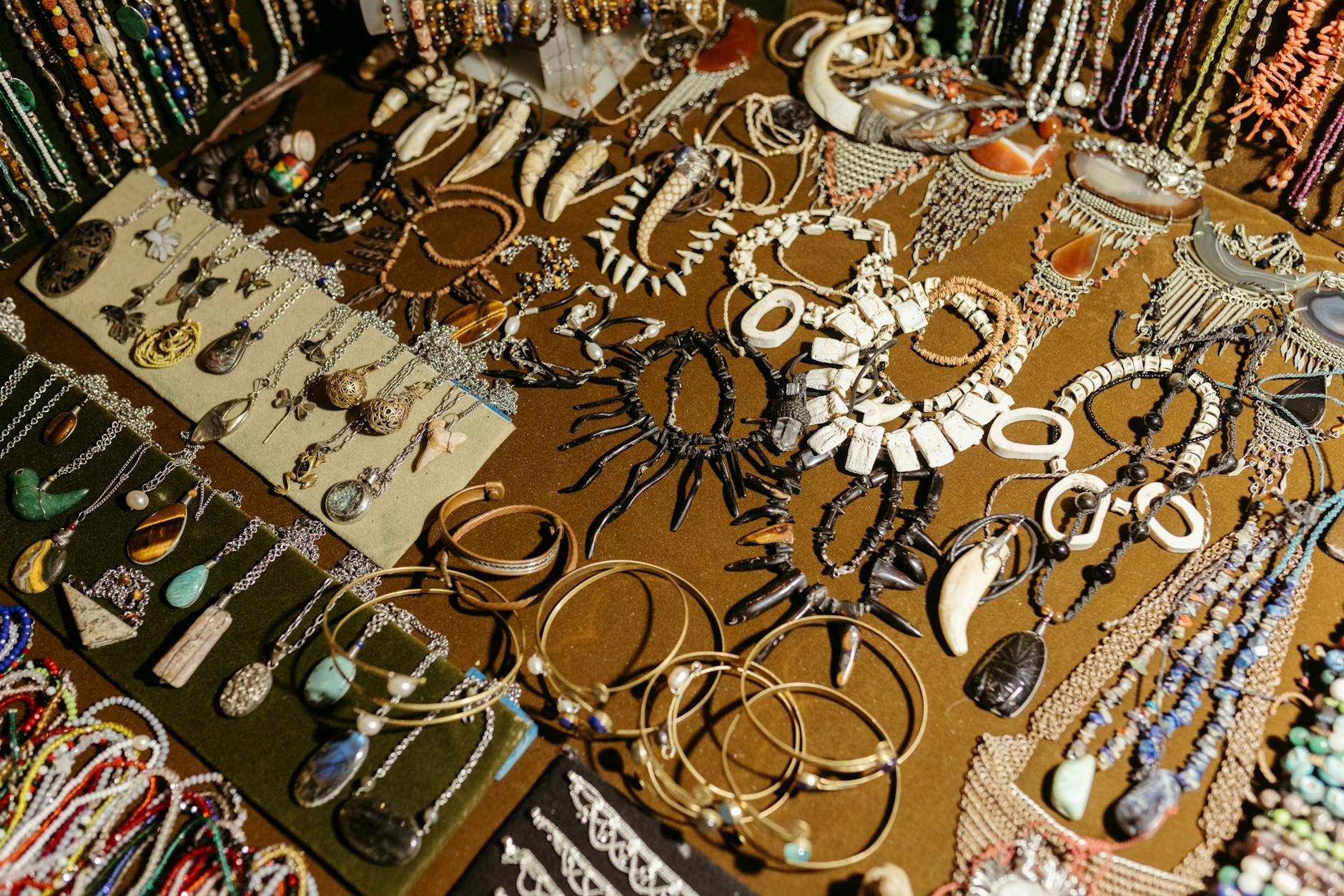
Luxury jewelry today extends beyond traditional precious metals and stones into mixed materials—combinations of gold with pearls, diamonds with enamel, metals with wood or leather elements. These pieces require a more intentional styling approach because they introduce additional design elements. A necklace that combines gold with a substantial pearl demands clothing that coordinates with both the warmth of gold and the luster of the pearl—typically cream, ivory, soft grays, or warm jewel tones work best. Pairing such a piece with a stark white top can work, but it requires more precision in proportions and overall composition.
Here’s a specific example of advanced styling: imagine a gold ring with an enamel band featuring multiple colors. Rather than fighting the color complexity by keeping everything else neutral, you might pull one color from the enamel (say, a teal or green) into your outfit as a small accent—perhaps in your shoes or a scarf. This creates cohesion rather than treating the ring as a separate element. This technique only works if executed with restraint and intention; overdone, it looks costume-like rather than sophisticated.
The Future of Jewelry Styling and Personalization
As personalization becomes increasingly important in luxury goods, jewelry styling is becoming less about rigid rules and more about expressing individual taste within principles that actually work. The movement away from “jewelry for occasions” toward “jewelry you wear daily” means outfit building is shifting from dressing around special pieces to integrating beloved jewelry into everyday wardrobes. This demands more thoughtful basic clothing selection but rewards people with pieces they genuinely love wearing frequently rather than saving for special events.
The direction of contemporary styling favors authenticity over perfection—outfits built around what actually works for your life rather than idealized fashion rules. That said, understanding the fundamental principles of proportion, scale, color harmony, and intentional layering remains timeless. These principles simply give you the framework to make personal choices confidently rather than either defaulting to safety or defaulting to chaos.
Conclusion
Human-made outfit ideas that actually work aren’t about following rigid rules or owning specific items. They’re about understanding how different pieces interact—how metals catch light, how proportions create balance, and how intentional choices compound to create coherent looks. When you build outfits with jewelry as a primary consideration rather than an afterthought, your pieces work harder, look better, and justify their investment through regular wear. The best outfit formula is the one you’ll actually use, which means building from pieces you genuinely love and clothing that creates the right backdrop for them.
Start with one luxury jewelry piece you wear regularly and build your wardrobe around it. Notice what works and what doesn’t. Over time, this approach becomes intuitive rather than deliberate—you’ll develop an instinct for what works together without needing to think through every decision. The real skill isn’t knowing all the rules; it’s knowing which rules matter for your particular pieces and preferences.
Frequently Asked Questions
Can I mix gold and silver jewelry in one outfit?
Yes, but it works best when it’s intentional and there’s logic to it. Delicate layered necklaces mixing metals can look contemporary and polished, but you need enough contrast in weight and placement that each piece reads distinctly. Avoid accidentally mixing metals by overlooking a piece—make the choice deliberately.
How many jewelry pieces is too many?
There’s no fixed number; it depends on the weight and scale of individual pieces. Someone wearing three delicate rings across both hands has more jewelry on than someone wearing one substantial cuff bracelet and statement earrings. The test is whether each piece is visible and intentional or whether pieces are getting lost or competing with each other.
How do I incorporate jewelry into a casual outfit without overdoing it?
Casual outfits benefit from one focal point. A simple tee and jeans can support a statement necklace or a series of stacked rings, but not both simultaneously. Alternatively, stick with everyday classics—studs, a simple bracelet, and a ring or two—and let your clothing be the statement rather than your jewelry.
What should I wear if my jewelry collection is mostly one metal tone?
This is actually an advantage rather than a limitation. Focus on building a wardrobe that complements that metal tone. Gold pieces look best against warm neutrals and jewel tones; silver pieces coordinate beautifully with cool grays, whites, and blacks. You’ve eliminated one variable, which makes outfit building simpler.
Does expensive jewelry require fancy outfits?
No. In fact, luxury jewelry often shows best against simple, well-fitted basics. A diamond bracelet catches more light on a simple cream silk shirt than on a patterned blouse. The investment in the jewelry is about the piece itself, not about proving its value through complicated outfits.
How do I style jewelry I inherited if it doesn’t match my personal style?
Start by identifying the actual color and metal tone, then think about occasions where the piece’s formality level fits naturally. A vintage brooch doesn’t need to match your everyday aesthetic to be worn occasionally. You might wear an inherited piece once monthly to an event where its style feels appropriate, rather than trying to force it into regular rotation.