

The secret to wearing oversized clothing without appearing disheveled lies in strategic balance: pair one voluminous piece with something fitted, anchor loose silhouettes with structured accessories, and ensure the garment still fits properly in key areas like shoulders and armholes. A well-executed oversized look creates intentional drama and ease, while a poorly executed one simply reads as ill-fitting. The distinction often comes down to proportion management and the quality of finishing details””a chunky gold chain or structured watch can signal that your relaxed silhouette is a deliberate choice rather than an accident of poor tailoring.
Consider the difference between someone wearing a baggy sweater with equally loose trousers versus someone pairing that same sweater with tailored trousers and a substantial cuff bracelet. The first reads as someone who grabbed whatever was available; the second communicates confidence and intention. This article examines the specific techniques that transform oversized garments from sloppy to sophisticated, including how jewelry and accessories serve as visual anchors, which body proportions to maintain regardless of fabric volume, and the common mistakes that undermine even quality oversized pieces.
Table of Contents
- What Makes Oversized Clothing Look Intentional Rather Than Ill-Fitting?
- The Proportion Principle: Balancing Volume Across Your Silhouette
- How Quality Jewelry Anchors an Oversized Look
- Practical Styling Techniques for Different Oversized Garments
- Common Mistakes That Make Oversized Outfits Look Sloppy
- Seasonal Considerations for Oversized Styling
- The Investment Piece Approach to Oversized Wardrobes
- Conclusion
What Makes Oversized Clothing Look Intentional Rather Than Ill-Fitting?
Intentional oversized styling maintains structure in at least one area of the outfit while allowing volume elsewhere. The shoulder seam remains the most critical checkpoint””even in relaxed fits, this seam should sit relatively close to your natural shoulder point, perhaps extending an inch or two beyond but not drooping halfway down your upper arm. When shoulders fit reasonably well, the rest of the garment’s volume reads as designed rather than mistakenly purchased two sizes too large. Fabric quality plays an equally important role. Heavier materials like wool, quality denim, and structured cotton hold their shape and create clean lines even in generous cuts.
Thin, flimsy fabrics collapse and bunch unpredictably, creating the rumpled appearance associated with sloppiness. This explains why an oversized cashmere coat looks luxurious while an oversized cheap polyester jacket looks like borrowed clothing. The comparison extends to jewelry choices””a substantial gold link bracelet or a well-proportioned watch provides the same kind of visual weight and intentionality that quality fabric does, signaling that every element of the outfit was considered. The distinction also involves grooming and accessory coherence. An oversized outfit worn with clean, polished shoes, neat hair, and quality jewelry reads entirely differently than the same clothing worn with scuffed sneakers and no attention to detail. The accessories communicate whether the relaxed clothing represents a style choice or simple neglect.
- —

The Proportion Principle: Balancing Volume Across Your Silhouette
Fashion’s proportion principle dictates that visual balance requires contrast””pairing a voluminous top with equally voluminous bottoms creates a shapeless column, while combining that same top with fitted or tapered bottoms establishes an intentional silhouette. This principle explains why oversized blazers work beautifully with slim trousers and why wide-leg pants benefit from a more fitted top half. The eye needs somewhere to rest, and strategic contrast provides that anchor point. However, this rule has contextual limitations. Certain avant-garde and streetwear aesthetics intentionally embrace all-over volume, and this approach can work when the wearer commits fully to the look with appropriately substantial accessories and confident styling.
If you’re pursuing this more challenging silhouette, the jewelry becomes even more critical””delicate chains and small studs disappear against large fabric expanses, while substantial pieces like oversized hoop earrings, layered chains, or statement rings provide the necessary visual counterweight. The look fails when it appears accidental, so every element must reinforce the intentional maximalism. Body type also influences how strictly to follow proportion rules. Those with longer torsos can handle more volume up top without appearing swallowed by fabric, while those with shorter torsos may need to be more strategic about where volume sits. Experimenting with different balances while noting what maintains your sense of shape versus what obscures it entirely will reveal your personal proportion sweet spot.
- —
How Quality Jewelry Anchors an Oversized Look
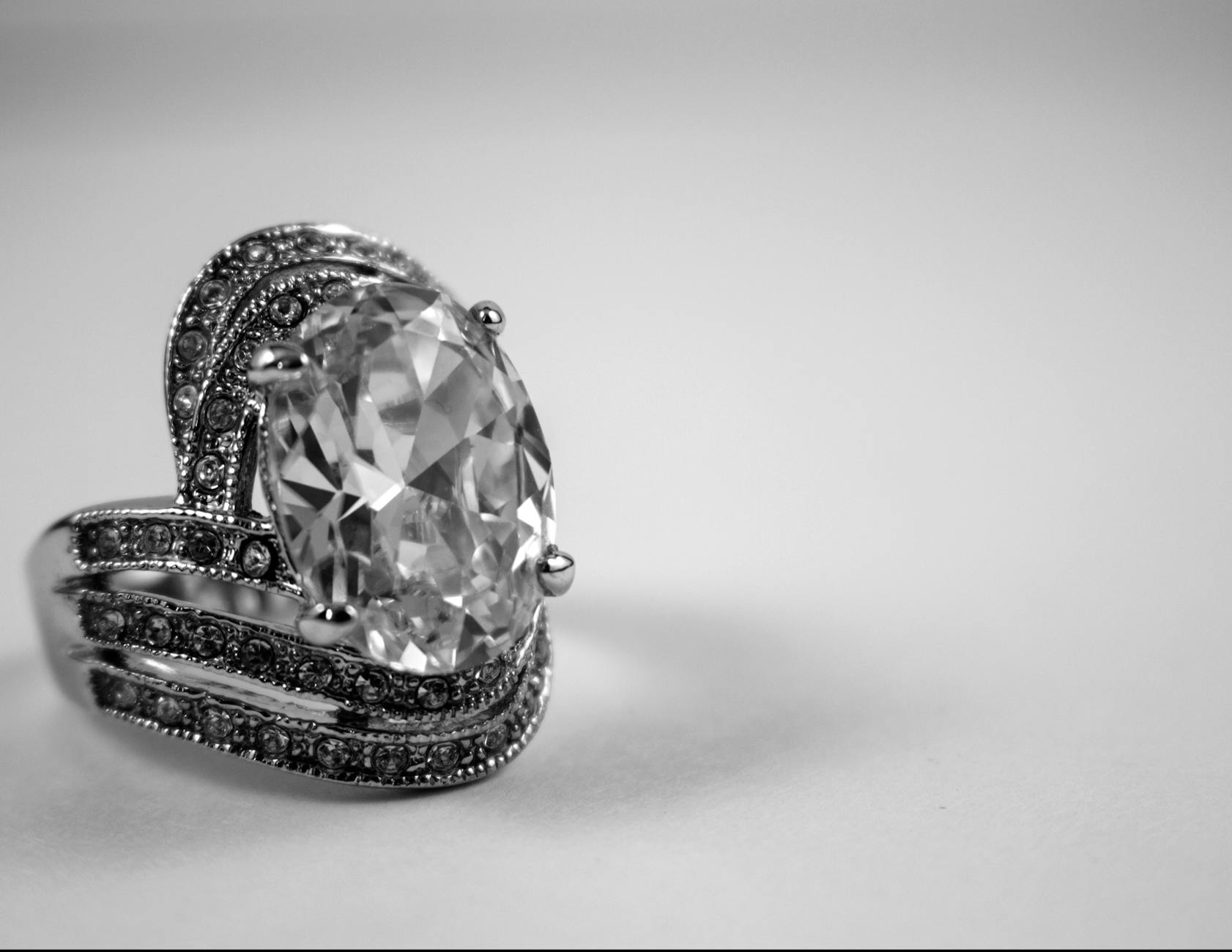
Jewelry serves as a visual anchor in oversized styling, providing points of definition that prevent loose clothing from reading as formless. A substantial watch, a stack of gold bangles, or a layered necklace arrangement draws the eye to specific points on the body, creating structure within the overall relaxed silhouette. This anchoring effect explains why fashion editors frequently pair oversized menswear-inspired pieces with bold gold jewelry””the contrast creates visual interest while establishing intentionality. Consider someone wearing an oversized linen shirt with slouchy trousers. Without accessories, this outfit risks looking like sleepwear. Add a heavy gold chain necklace, a quality leather belt, and substantial earrings, and the same garments suddenly communicate deliberate style.
The jewelry provides the “finished” quality that separates curated relaxation from mere carelessness. Precious metals work particularly well here because their inherent value and luster signal investment and consideration, qualities incompatible with accidental sloppiness. The scale of jewelry matters when pairing with oversized clothing. Delicate pieces that might beautifully complement a fitted outfit can disappear against expansive fabric. This doesn’t mean abandoning subtlety entirely, but rather ensuring that your chosen pieces have enough presence to register visually. A thin chain worn alone may vanish into an oversized sweater’s neckline, while that same chain layered with two or three complementary pieces creates adequate visual impact.
- —
Practical Styling Techniques for Different Oversized Garments
Oversized blazers and coats generally present the fewest challenges because their structured construction maintains shape regardless of relaxed fit. The key technique involves rolling or pushing sleeves to reveal your wrists””this small adjustment shows that a body exists within the clothing and creates an opportunity to display watches and bracelets. Cuffing sleeves became a signature styling move precisely because it transforms potentially boxy jackets into something more dynamic and personally scaled. Oversized sweaters and shirts require more intervention. The French tuck””tucking only the front portion of the shirt into your waistband while leaving the sides and back loose””creates waist definition without fully containing the garment’s volume.
A full tuck works for some oversized button-downs but can create uncomfortable bunching with chunkier knits. The tradeoff involves choosing between complete freedom of movement with no tuck versus more defined shape with some fabric bulk at the waist. Your activity level and the specific garment’s thickness should guide this choice. Wide-leg and relaxed trousers benefit from higher rises that sit at or above the natural waist, which lengthens the leg line and prevents the droopy appearance that low-rise loose pants create. Pairing these with heeled boots or shoes further extends the leg, countering any shortening effect from the fabric’s width. Those committed to flat shoes should ensure their wide-leg trousers are hemmed to the correct length””pooling fabric at the ankle reads as sloppy, while a clean break reads as intentional.
- —
Common Mistakes That Make Oversized Outfits Look Sloppy
The most frequent error involves ignoring fit in areas that should remain fitted regardless of overall relaxed styling. Armholes that gape excessively, necklines that fall off shoulders unintentionally, and lengths that drag on the ground all communicate carelessness rather than fashion intention. Oversized does not mean “ignore all fit parameters”””it means relaxing volume while maintaining proper construction in key structural areas. Neglecting the shoes undermines oversized styling more than most people realize. Because relaxed clothing already ventures toward casual territory, footwear needs to pull weight in establishing polish.
Beat-up sneakers with an oversized blazer and wide-leg trousers tip the outfit toward sloppy, while clean loafers or polished boots maintain sophistication. The warning here involves occasion-appropriateness: oversized styling already reads as less formal than fitted alternatives, so the supporting elements need to compensate unless you’re specifically pursuing a maximally casual aesthetic. Another common mistake involves inconsistent quality signals. Combining a beautiful oversized cashmere sweater with cheap, obviously synthetic trousers creates visual confusion about the outfit’s intent. Similarly, pairing quality oversized clothing with costume jewelry rather than genuine pieces undermines the look’s coherence. The eye registers these inconsistencies as sloppiness even when the individual items fit well, because the outfit fails to communicate a unified point of view.
- —
Seasonal Considerations for Oversized Styling
Oversized fits naturally suit fall and winter styling, where layering provides both warmth and opportunity for proportion play. A substantial coat over a fitted turtleneck and slim trousers creates a silhouette with clear volume contrast, while heavy knitwear invites the layered jewelry that anchors relaxed looks. Heavier seasonal fabrics also hold shape better than summer-weight materials, making volume management easier.
Summer presents more challenges. Lightweight fabrics like linen and cotton lawn wrinkle and collapse, potentially creating the rumpled appearance oversized styling aims to avoid. Success during warmer months often involves choosing oversized pieces in stiffer weaves or materials that maintain some structure, like cotton poplin or heavier linen blends. Alternatively, embracing one oversized piece””a flowing linen shirt, for example””while keeping everything else fitted and crisp prevents the complete loss of shape that heat and humidity can impose.
- —
The Investment Piece Approach to Oversized Wardrobes
Building an oversized wardrobe around investment pieces ensures quality fabric and construction that maintain intentionality through years of wear. A beautifully made oversized cashmere coat, a substantial gold chain that complements relaxed necklines, or perfectly cut wide-leg trousers in quality wool serve as foundations around which other pieces rotate. This approach proves more economical long-term than accumulating cheap oversized items that quickly look shabby due to inferior materials.
The investment piece philosophy extends naturally to jewelry pairings. A quality watch with appropriate presence, gold or platinum pieces that won’t tarnish or discolor, and classic designs that complement rather than compete with relaxed silhouettes become styling tools used across countless outfits. These pieces gain value as personal signatures rather than losing appeal as trends shift, and their inherent quality continues communicating intentionality regardless of what they’re paired with.
- —
Conclusion
Wearing oversized fits without appearing sloppy requires attention to proportion balance, strategic accessorizing, and maintaining fit where it matters most””particularly shoulders and armholes. The techniques are learnable and consistent: pair volume with fitted elements, anchor loose silhouettes with substantial jewelry and quality accessories, choose fabrics with enough weight to hold their shape, and ensure supporting elements like shoes and grooming maintain polish. These principles apply regardless of which oversized garments you favor or which occasions you dress for.
The investment in quality oversized pieces and the jewelry to anchor them pays dividends in outfit versatility and longevity. A well-made oversized blazer and a substantial gold necklace become styling tools that elevate dozens of combinations, while cheap equivalents quickly reveal themselves through fabric degradation and tarnishing. Building intentional oversized style is a process of learning your proportions, understanding which accessories create necessary visual weight, and developing the confidence that comes from knowing your relaxed silhouette is a choice rather than an oversight.